Free activities in São Paulo? Yes! The capital is full of life, with leisure and cultural options scattered everywhere. There are certainly there are far more than 70 places to visit without spending (almost) anything here!
Our list features some of the coolest spots in the city—and you definitely can’t miss them.

Did you know you can see the ocean for free in São Paulo without leaving the city? Serra do Mar State Park is the largest in the state of São Paulo, covering over 332,000 hectares, spanning 25 municipalities, and divided into ten sections. In the city of São Paulo, at the end of the Mirante do Curucutu trail within the park, you can see the ocean and the city of Mongaguá.

Another excellent free option in São Paulo is the famous “beach” of the city’s residents. Ibirapuera is the city’s most important urban park. Its three interconnected artificial lakes cover 1.6 million square meters. In addition, it offers a wide range of recreational and sports activities for the whole family.

It is considered one of the city’s main cultural venues, located very close to Vergueiro Station. There, you can enjoy a space with a garden, library, and other activities.

A little piece of Italy in the heart of the capital, the street has become one of the city’s most charming after businessman Walter Mancini launched the Famiglia Mancini complex. For those walking through downtown, it’s worth capturing a photo of the lights in this little alley.
Praça das Artes

A space for music and dance dedicated to revitalizing downtown São Paulo. Located near several of the capital’s tourist attractions, it hosts exhibitions and offers a recreational area for the neighborhood.

For those looking for a free outing in São Paulo, the “PJ” might be perfect! Visitors to Youth Park, in the northern part of São Paulo, might even forget that this space was once home to one of the country’s largest prison complexes, Carandiru. Built on the site of the former São Paulo Detention Center, popularly known as Carandiru, the park opened in 2003.

The Consolação and Araçá cemeteries house the graves of prominent figures in Brazilian history and feature exuberant sculptures. It is a mistake to think that cemeteries are merely a resting place for those who have passed away. São Paulo’s oldest cemeteries preserve an important part of our history.

Villa-Lobos State Park is a public park located in Alto de Pinheiros, on the banks of the Pinheiros River. The park covers an area of 732,000 m² and features a bike path, sports courts, soccer fields, a playground, and a forest with Atlantic Forest species.
Caixa Cultural

Caixa Cultural is on the list of free things to do in São Paulo. The building is an important example of Art Deco and Art n architecture in the city and is listed asa municipal heritage site bythe Municipal Heritage Preservation Board ( ). It also houses various exhibition spaces, a reading room, a workshop room, and an auditorium, in addition to maintaining a permanent schedule of cultural events.

One of the best-known spots in São Paulo to watch the sunset; it was because of its incredible view of this time of day that it earned its affectionate nickname.

“Hidden” among the streets of Vila Madalena lies Beco do Batman. The alley got its name from a graffiti mural of the DC superhero that used to be there. Since then, it has become a tourist attraction thanks to its walls, which are constantly covered in graffiti.

If you’re looking for free activities in São Paulo, don’t miss a movie screening at the Cinemateca. Located in Vila Clementino, in the South Zone of São Paulo, the Cinemateca’s history dates back to 1946, when it was established in the former municipal slaughterhouse of São Paulo. Its mission has remained the same since the beginning: to preserve and promote Brazilian audiovisual production.

Located in the East Zone of São Paulo, theTietê Ecological Park was inaugurated on March 17, 1982, occupies an area of 14 million m² on the banks of the Tietê River, between the neighborhoods of São Miguel Paulista and the municipality of Guarulhos.

Beneath Rua da Consolação lies the underground passage connecting the sidewalks of the Belas Artes cinema and the Riviera Bar. It’s one of those places we walk past many times, and in the rush of daily life, we might not fully realize what it is.
Underground Aquarium in Parque da Luz

Another excellent free option in São Paulo is located at Praça da Luz. Opened over 100 years ago, the park’s Underground Aquarium is housed in a sort of cavern beneath Lago de Diana. Those passing through Parque da Luz almost never notice this hidden gem.

The Zoology Museum began in the 1890s when various collections came together to form the Museu Paulista. Today, the museum houses one of the largest zoological collections in Latin America.

Walking and discovering these objects makes visitors part of history. But not everyone knows who the people and moments honored by the statues and monuments scattered throughout the capital are . We tell the stories of some of them here.
Liberty Fair

For those looking for a taste of another country (for free) in São Paulo, the Liberdade street market might be just the thing! And, of course, no visit to the Liberdade neighborhood is complete without checking out the street market, which takes place at Praça da Liberdade on weekends. There, you can find decorations, oriental items, and the best of street food.

Paulista Avenue is not only the financial center of São Paulo but also one of its main tourist attractions. On Sundays and holidays, it is closed to cars and becomes almost like a park amidst the buildings, with people filling the space. We’ve already told you which places you can visit without spending a dime here.
Tomie Ohtake Institute

Designed, both architecturally and conceptually, to host national and international exhibitions of visual arts, architecture, and design. Its name pays tribute to the visual artist Tomie Ohtake, mother of architect Ruy Ohtake, who designed the building.

The Altino Arantes Building, better known as Banespão (or, since 2018, as Farol Santander), is one of São Paulo’s most famous landmarks.

The list of free things to do in São Paulo also includes one of the capital’s most iconic buildings. Visits to the Copan Terrace are permitted and free of charge. From Monday to Friday, at 10:30 AM and 3:30 PM, anyone can head to Block F (where the building’s maintenance office is located) 15 minutes beforehand. For about 30 minutes, you can enjoy a panoramic view of the city of São Paulo from up there.
Editor’s note: the Copan terrace is temporarily closed to visitors.

The most important landmark in the neighborhood’s history is undoubtedlyIndependence Park. Covering an area of 161,300 square meters, it is home to the Ipiranga Museum, the Independence Monument, and the Casa do Grito. The site is a national heritage site; after all, it was there that Dom Pedro I, th , proclaimed the country’s independence from Portugal. Discover other places to visit in the Ipiranga neighborhood.

Although the Museum of Independence was the first public museum in São Paulo, inaugurated in 1895, it is considered a history museum. It chronicles Brazil’s journey from monarchy to democracy. Meanwhile, th , the Pinacoteca holds the title of the capital’s oldest art museum, as its collection features essential works of Brazilian visual art.

Admission to Sesc buildings is free, and visitors can enjoy exhibitions, shows, courses, a library, and other activities. At the Avenida Paulista location, you can also visit the observation deck on the top floor of the Sesc building.

The São Paulo Botanical Garden, with 360,000 square meters open to visitors, offers a spectacular outing for São Paulo residents. Diverse landscapes provide the opportunity to observe and contemplate nature in the heart of the city. There, visitors have the opportunity to enjoy the space, as well as learn about plant species from São Paulo, Brazil, and around the world.

Located between Consolação and Augusta streets, the square is a haven for São Paulo skateboarders. The smooth pavement, handrails, and benches are perfect for tricks.

Located between the western and northern zones of the capital, Pico do Jaraguá stands at an elevation of 1, 135 meters. The park that encompasses the mountain spans491.98 hectares and has been an environmental preservation area since 1961. It’s worth the trip not only for the view from the lookout point but also to get a close-up look at the local flora and fauna.

The Presidente João Goulart Elevated Highway,popularly known as Minhocão, is an elevated expressway in the city of São Paulo, Brazil, which connects the Roosevelt Square area in the city center to Largo Padre Péricles in Barra Funda. Currently, the road is open to cars Monday through Friday, from 7 a.m. to 8 p.m., remaining closed to vehicles on other days and times, including national holidays, when it is open only to pedestrians and cyclists.

At the Mercadão de SP, as it is affectionately known by its regulars, you can find fresh vegetables and fruits, as well as meats, poultry, fish, and seafood, along with pasta, sweets, spices, and top-quality imported products.

Throughout the city, there are markets featuring antiques, handicrafts, flowers, and cuisine from other countries. Discover some of the city’s most unique markets and fairs here.

One of the most popular trails in São Paulo is Pedra Grande, which offers a panoramic view of the city. Access to the lookout point is via the Pedra Grande Visitor Center. The entrance to this center is located in Cantareira Park. Currently, the trail is openWednesday through Sunday and on holidays, from 8 a.m. to 5 p.m. (last entry at 4 p.m.).

The Immigration Museum preserves the history of the people who arrived in Brazil through the Brás Immigrant Hostel.

The city’s most charming working-class neighborhood was inaugurated in 1917 to house the employees of a major textile company of the time.

The museum was created with the intention of being an interactive space that presents science in an engaging way for children, young people, and adults.

The park islocated in a725,000-square-meter green space in the West Zone ( ) of the capital. As part of the Butantan Institute, the cultural complex promotes the dissemination of scientific knowledge and the defense of public health.

The São Paulo General Warehouses and Storage Company (Ceagesp) is the third-largest wholesale center in the world. Whether to buy fresh produce at a great price or to visit the flower market, which takes place in the early morning hours, there are always reasons to visit the site. Additionally, it hosts the city’s most famous soup festival annually.
Soccer Museum

The museum is located behind the stands of the Paulo Machado de Carvalho Municipal Stadium—Pacaembu. As its name suggests, the space focuses on the practice, history, and curiosities of Brazilian and world soccer.

It was atthe Pateo do Collegio , an iconic site located in downtown São Paulo, where the city’s official founding ceremony took place. The Jesuits settled there to catechize the indigenous people of the region.
Monastery of São Bento

If you want to travel back to the year 1598, visit the Monastery of São Bento. It pays homage to the Benedictines who arrived in the city that year. In 1634, the Abbey was established and the chapel was dedicated to Saint Benedict. It was here that Pope Benedict XVI stayed during his visit to the country.
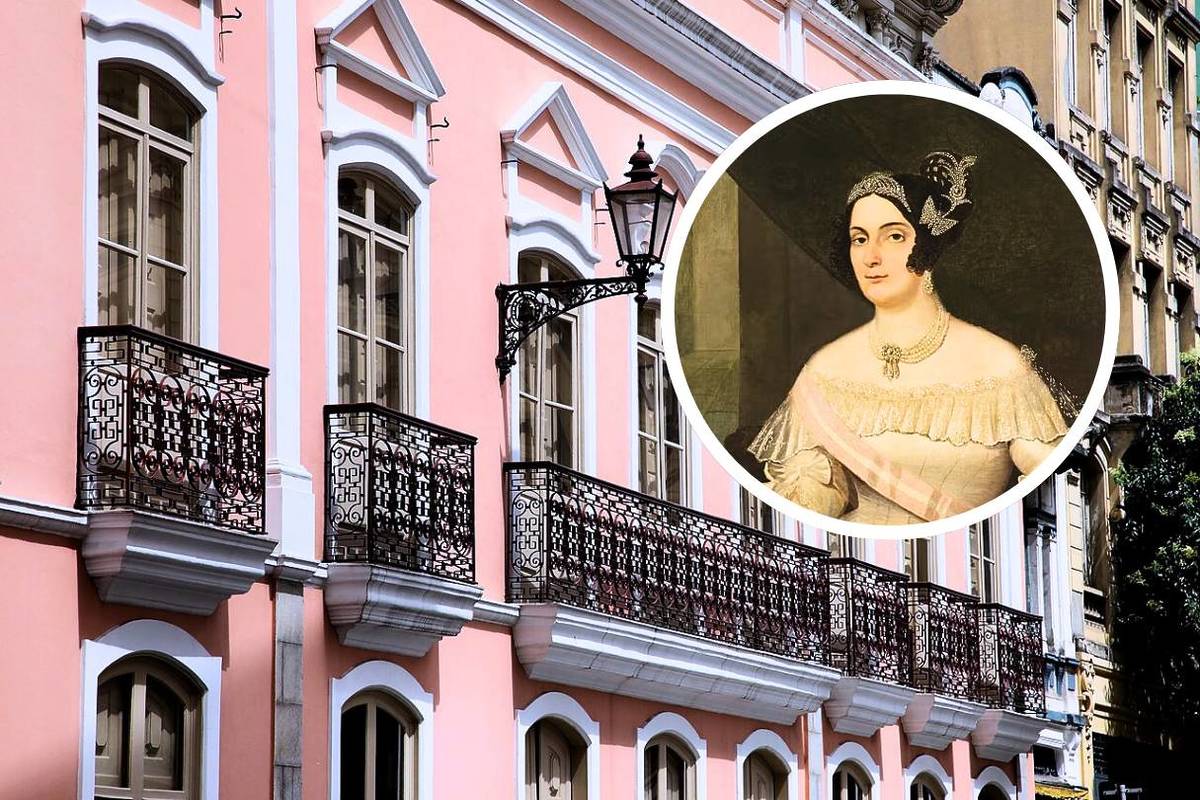
Visitors to theMarquesa’s Manor ( ), in downtown São Paulo, take a trip back to 1834, the year the Marquesa de Santos, mistress of Emperor Dom Pedro I, purchased the townhouse.
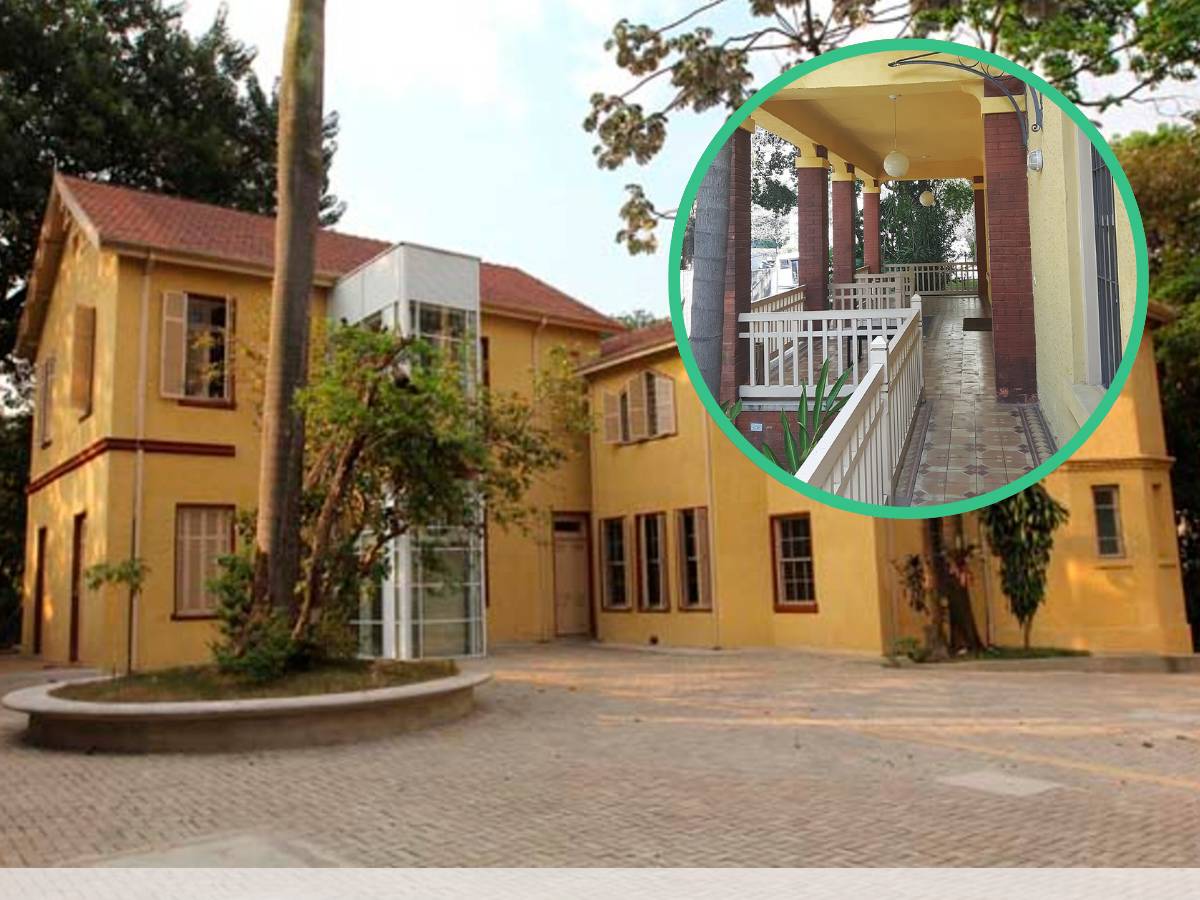
This 19th-century house is a rare example of the old country estates that once dotted São Paulo. It was once the home of Reverend George W. Chamberlain, founder of the American School, which would later become the prestigious Mackenzie University. Today, it houses exhibitions from the City Museum.
Centenary Park of Japanese Immigration
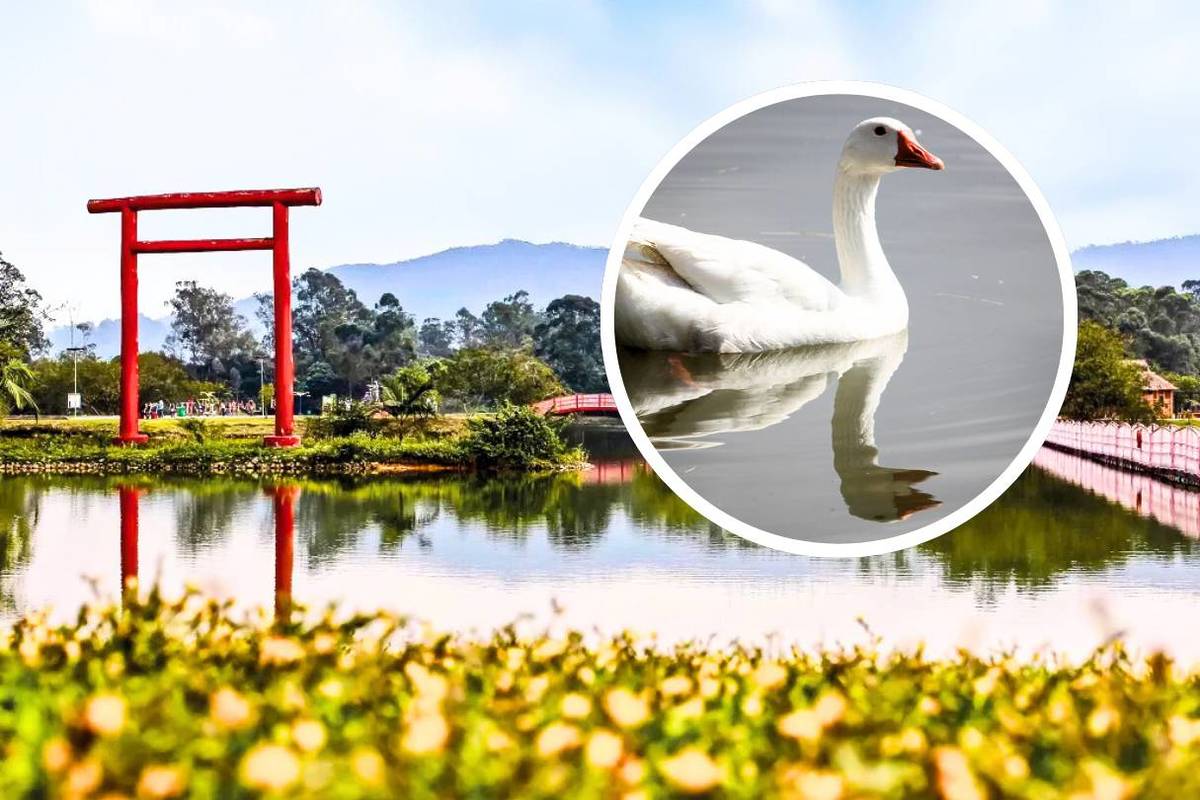
Located in Mogi das Cruzes, the park pays tribute to the first Japanese immigrants who arrived at the Port of Santos in 1908. It spans 215,000 square meters and features lakes with floating bridges in an oriental style, tree-lined trails, and a Memory Center with exhibitions on Japanese culture. Admission is free, and you can even get there by public transportation! Just get off at Estudantes Station on Line 11-Coral, which is 2 kilometers from the park.
Largo São Francisco Law School

The Law School, the oldest institution of its kind in Brazil, owes its origins to an imperial decree signed in 1827. Before that, anyone wishing to study law would have to move to Coimbra, in Portugal.

Built in 1901, the building was purchased by Banco do Brasil in 1923. Today, it serves as one of the capital’s most important cultural centers.

Located in the city center, at Praça Ramos de Azevedo, it was inaugurated in 1911 to meet the wishes of São Paulo’s elite at the time.
Post Office Palace

The building is one of the city’s most important landmarks. Designed by Ramos de Azevedo, it is located in Vale Anhangabaú. For years, it served as the headquarters of the post office, and today it houses the largest post office in São Paulo.

When São Paulo celebrated its 400th anniversary in 1954, the inauguration ofthe Cathedral and the Praça da Sé was also celebrated. In front of the Cathedral stands the Marco Zero, a marble monument in the shape of a hexagon featuring a map of the roads leading from São Paulo to other states.

The mansion is one of the few remaining on the avenue as a reminder of the era of the coffee barons. The official name, Haroldo de Campos Space for Poetry and Literature, gave way to a tribute to its garden, which was once filled with roses. Known as the house of poetry, it hosts literary exhibitions, courses, and workshops.

The venue hosts cultural events, such as audiovisual exhibitions, dance and theater performances, concerts, seminars, and courses, all free of charge. Additionally, two floors of the building are dedicated to the permanent exhibition of the Brasiliana and Numismatics collections. There are 1,364 works , including paintings, books, maps, and other materials chronicling Brazil’s history spanning over 500 years.

Japan House was designed by architect Kengo Kuma and opened in 2017. The space aims to bring contemporary Japanese culture to São Paulo. The building’s three floors feature art, technology, and educational programs . For those looking for a free cultural outing in São Paulo, Japan House is the perfect choice!
Fiesp Cultural Center

The Fiesp Cultural Center is known for its triangular facade, where LED projections are displayed. A true open-air digital gallery! Inside, the center hosts exhibitions ( often immersive and tech-driven), plays, and concerts.

If you ask someone where Tenente Siqueira Campos Park is, chances are almost no one will know. But just mention Trianon Park, and everyone will point out the green space that contrasts with the gray buildings of Paulista Avenue. The park was created in 1892 and , in addition to being one of the city’s oldest parks, features trees that are remnants of the Atlantic Forest. Today, it’s an excellent option for a free outing in São Paulo.

Admission is free on Tuesdays and Thursdays from 5 p.m. to 8 p.m., and on Friday evenings
Although it isn’t free every day, the Assis Chateaubriand Museum of Art in São Paulo couldn’t be left off the list. The venue is a work of art in itself. Architect Lina Bo Bardi’s design has become one of the city’s most iconic landmarks, and its atrium serves as a gathering spot for fairs, events, and even protests. Additionally, its art collection is considered one of the most significant in the Southern Hemisphere.

Next to SESC, it is the second newest building on the avenue. The Moreira Salles Institute on Paulista Avenue opened in 2017 and quickly became a must-see for anyone visiting the area. It features seven floors and 1,200 square meters dedicated to culture, with free exhibitions, a cinema-theater, a library, a world-class photography collection , classrooms, and more. It’s worth stopping by the open space on the ground floor and the terrace. If you’re looking for free things to do in São Paulo and want to see a beautiful viewpoint, be sure to visit the IMS.

Parque Augusta is on the list of free things to do in São Paulo. Fully accessible, the area features walking paths, an inclusive playground, a dog park, exercise equipment, and a senior fitness center. Admission is free and the entrance is at 200 Rua Augusta; the nearest subway station is Higienópolis-Mackenzie on Line 4 (Yellow).

Galeria do Rock is an icon of São Paulo and an important part of the lives of the city’s youth who are currently going through—or have gone through—a rock-and-roll phase. The building, which opened on Rua Vinte e Quatro de Maio in 1963, was a shopping center like many others. Initially, it was not intended to become a venue dedicated solely to rock music, but that is exactly what happened!

With over 1.5 million square meters, Carmo Park is a frequent destination for residents of the eastern zone. Located in the Itaquera neighborhood, it is the second-largest urban park in São Paulo, second only to Cantareira State Park. For those looking for a free outing in São Paulo, this park might be perfect!

Founded in September 1896, Alberto Löfgren State Park is another place every São Paulo resident should visit. Also known as Horto Florestal, the park covers an area larger than Ibirapuera, at 1.8 million square meters. In addition, it offers unique biodiversity, a museum, trails, and areas for recreation and sports. So, if you’re looking for free activities in São Paulo, visit the Horto.

Vila Itororó was built in the heart of the city, between the neighborhoods of Liberdade and Bela Vista. The architectural complex was designed by Francisco de Castro in 1922, with more than ten buildings constructed throughout the 20th century for residential and recreational purposes. In 2022, the Vila Itororó Cultural Center reopened its doors to the public with a 100% free program.
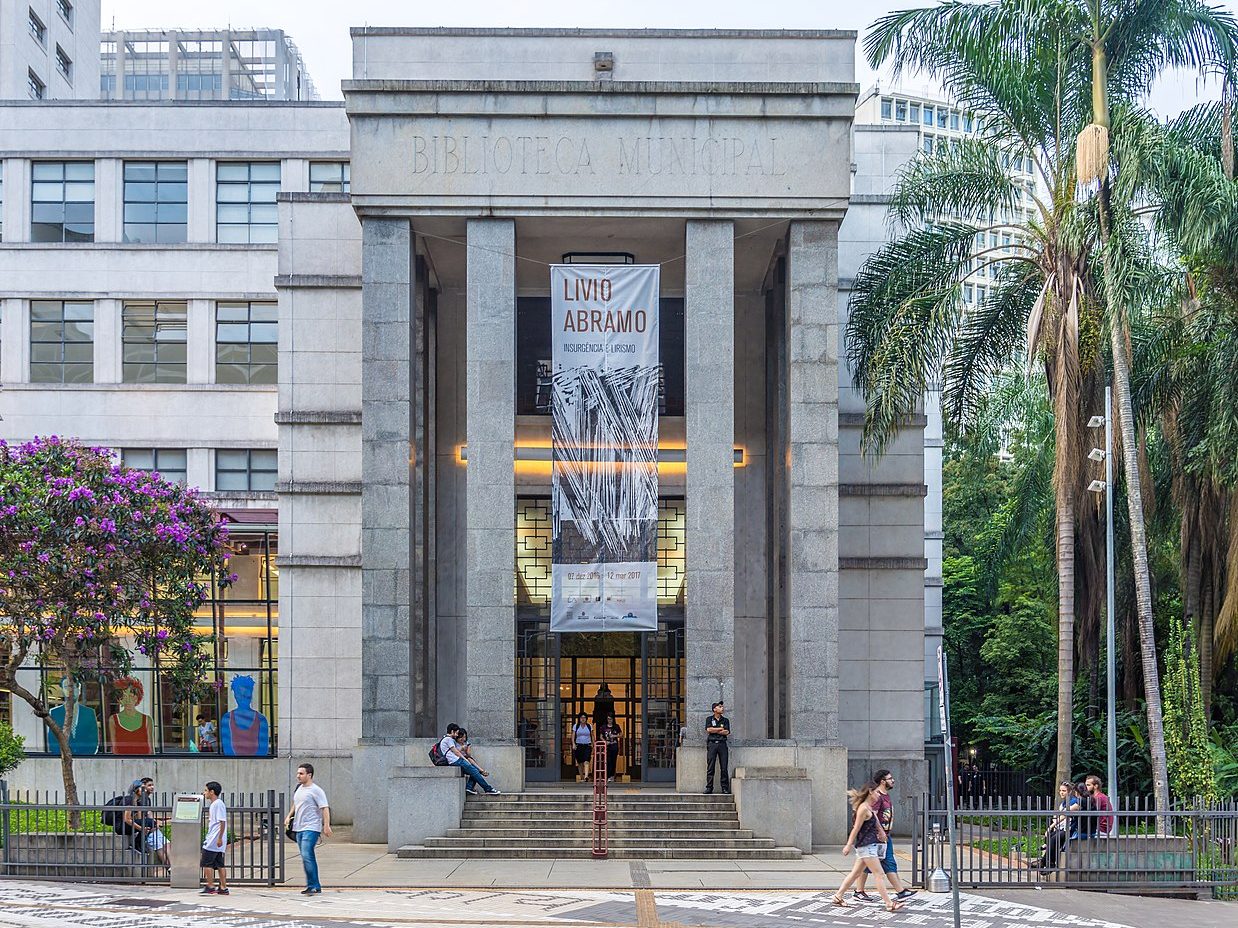
In addition to a vast collection of books, the city’s first public library also offers an extensive cultural program for all audiences.

With over 10,000 works on display, this museum in São Paulo—which is always free to visit —is perfect for exploring the world of contemporary art.

Known as the cheapest movie theater in São Paulo, the Olido screens classic and current films starting at R$ 2.
Água Branca Park

The space is perfect for outdoor activities and hosts niche markets throughout the year.

Did you know that São Paulo’s most famous concert hall also offers free concerts? These arethe Sunday morning concerts, which always take place at 10:50 a.m. Tickets become available on the Thursday before the event at 12 p.m., offering an affordable cultural outing in the capital.

On sunny days, there’s nothing better than cooling off in the pool. And if it’s free, even better! Fortunately, the city of São Paulo and the metropolitan area have several water parks with free admission, guaranteeing fun for the whole family.
Bike Tours

Top Center Shopping organizes bike tours along Paulista Avenue, all for free! You can explore the avenue’s most important landmarks with a guide, and also use an audio guide if you’d like. There are tour options for families, people who don’t know how to ride a bike, and people with ASD (Autism Spectrum Disorder).

This island off the coast of São Paulo resembles an Amazonian village, making it a must-visit destination to escape the big city. And the best part is that it only costs 50 cents to get there !
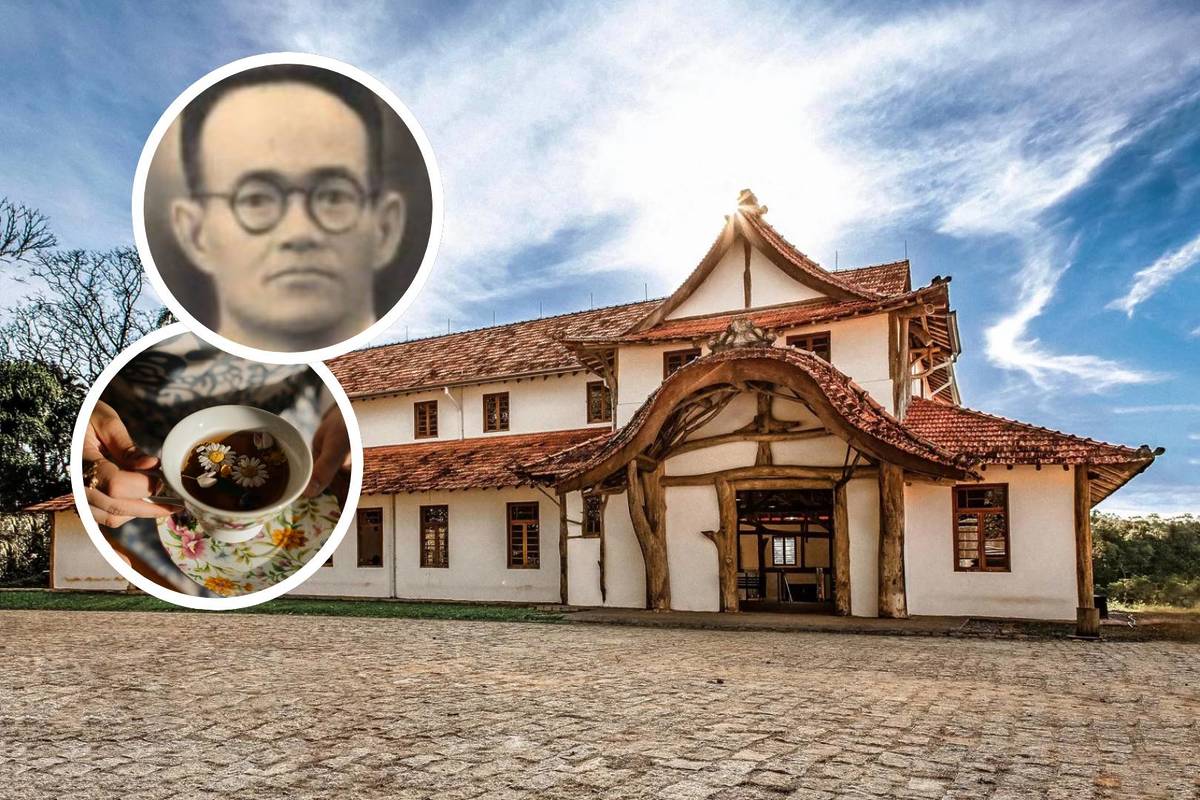
If you’re looking to extend your trip outside the capital without breaking the bank, Casarão do Chá is the perfect choice. After all, this historic landmark in Mogi das Cruzes, linked to Japanese immigration, offers free admission! Built in 1942, it is open to visitors on Sundays from 9 a.m. to 5 p.m. and occasionally hosts courses and exhibitions.
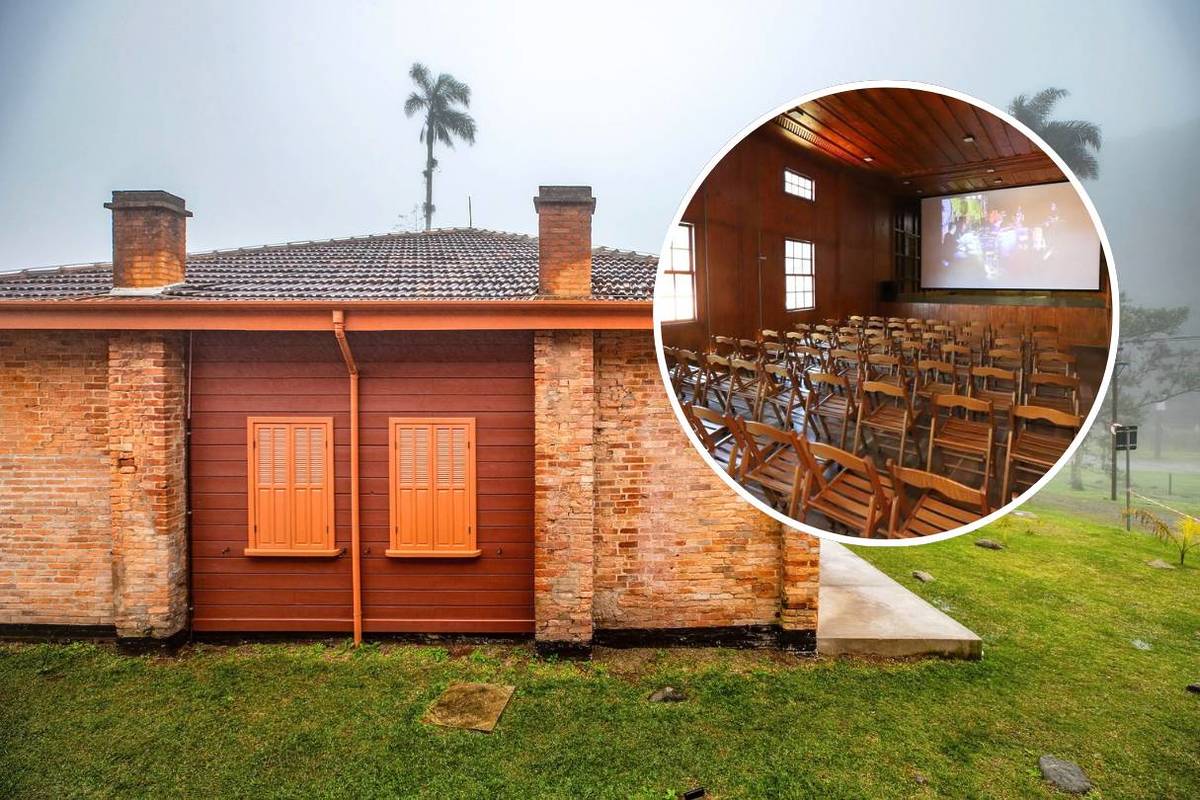
Opened in 1903, Cine Lyra in Paranapiacaba is the oldest movie theater in the state of São Paulo and one of the oldest in Brazil. After decades of neglect, it reopened in 2024 and today offers free cultural programming, including film screenings.