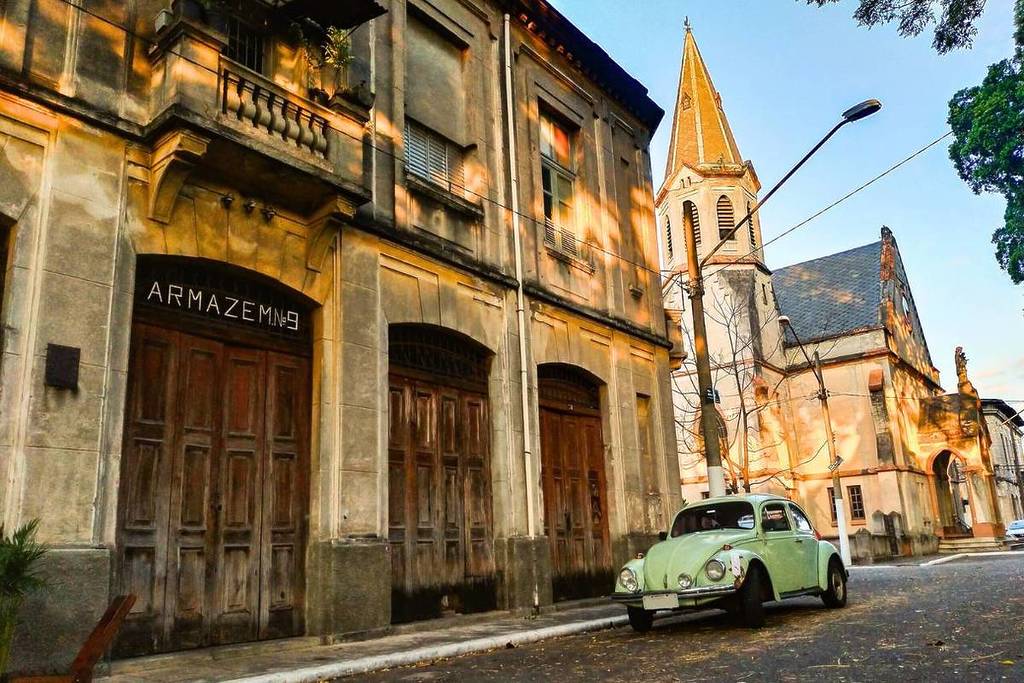
Did you know that there is a workers’ village in São Paulo more precisely in the Belenzinho neighborhood? Vila Maria Zélia was created to house around 2,500 employees of the Cia Nacional de Tecidos da Juta weaving subsidiary at the beginning of the 20th century.
Today, the site preserves not only unique architectural features, but also memories of the working class life and culture that marked the development of São Paulo.
Do you know the history of Vila Maria Zélia?
The construction of Vila Maria Zélia began in 1912, when doctor and industrialist Jorge Street decided to offer decent housing to the workers of his weaving factory. Architect Paul Pedraurrieux was responsible for the work, which was only completed in 1917.
At the time of its inauguration, the village stood out for looking like a miniature city. It had a chapel, a pharmacy, an outpatient clinic, a sports court, a bandstand, communal spaces and even free schools for boys and girls – who, at the time, studied separately. In other words, it offered a quality of life that was unthinkable at the time, when most workers lived in tenements.
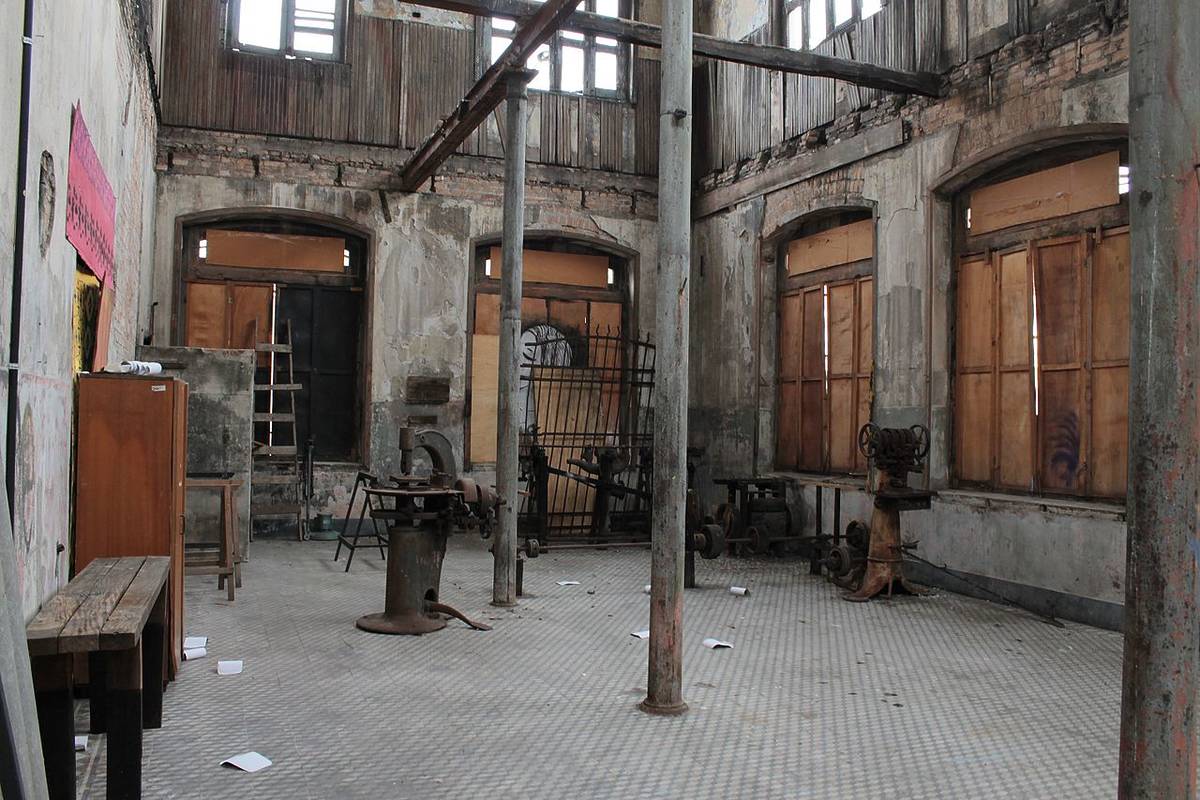
In 1924, the village passed to the Scarpa family and, five years later, it was acquired by the Guinle Group. However, the group’s financial problems led to the confiscation of the villa and factory by the federal government in the 1930s. As a result, the property became public and access was opened up to the population.
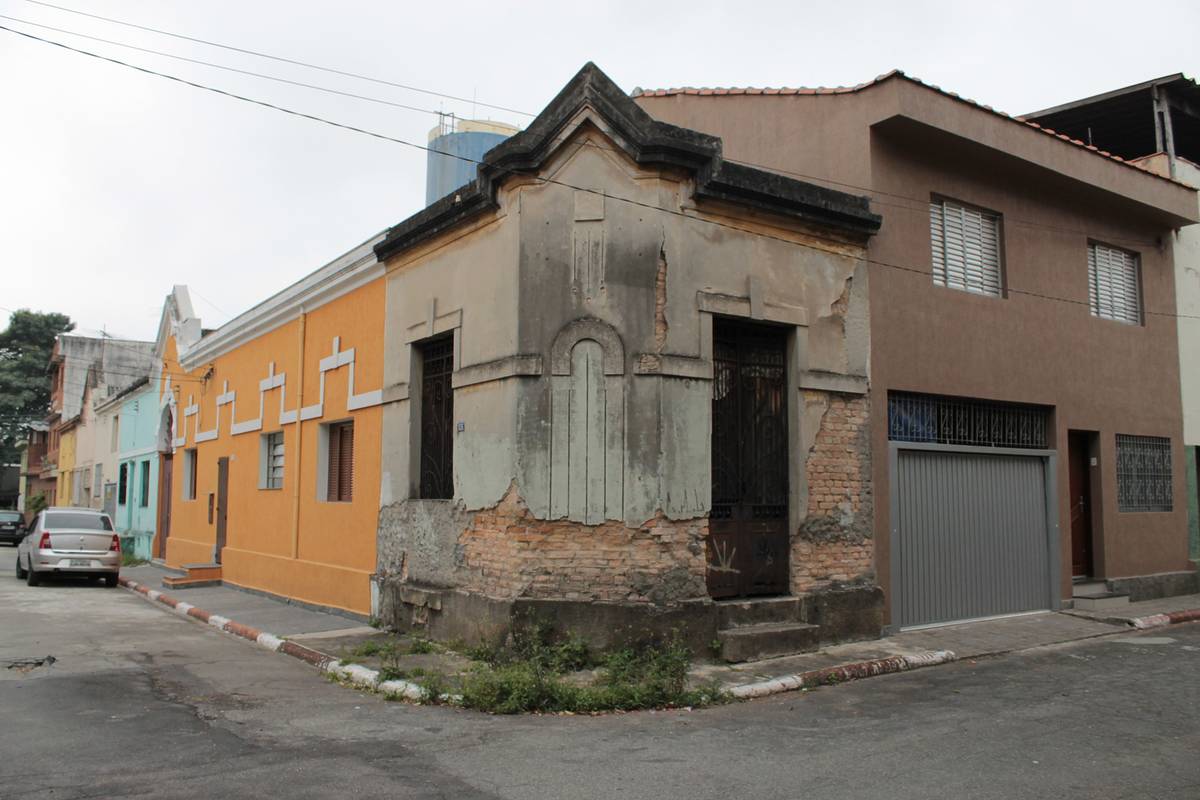
In 1968, residents were able to buy their homes for the first time, after years of paying rent. In the 1990s, the government recognized the site as a historical heritage site, but many of the new owners had already knocked down or de-characterized the original homes, which compromised some of their original charm.
After all, where does the village get its name from?
Although the village is well known by São Paulo residents, few know the origin of its name. It is a tribute to Maria Zélia Street, daughter of Jorge Street, who was born in 1899 and died as a teenager in 1915. Touched by her loss, the industrialist decided to name the village, which was still under construction, in memory of his daughter.
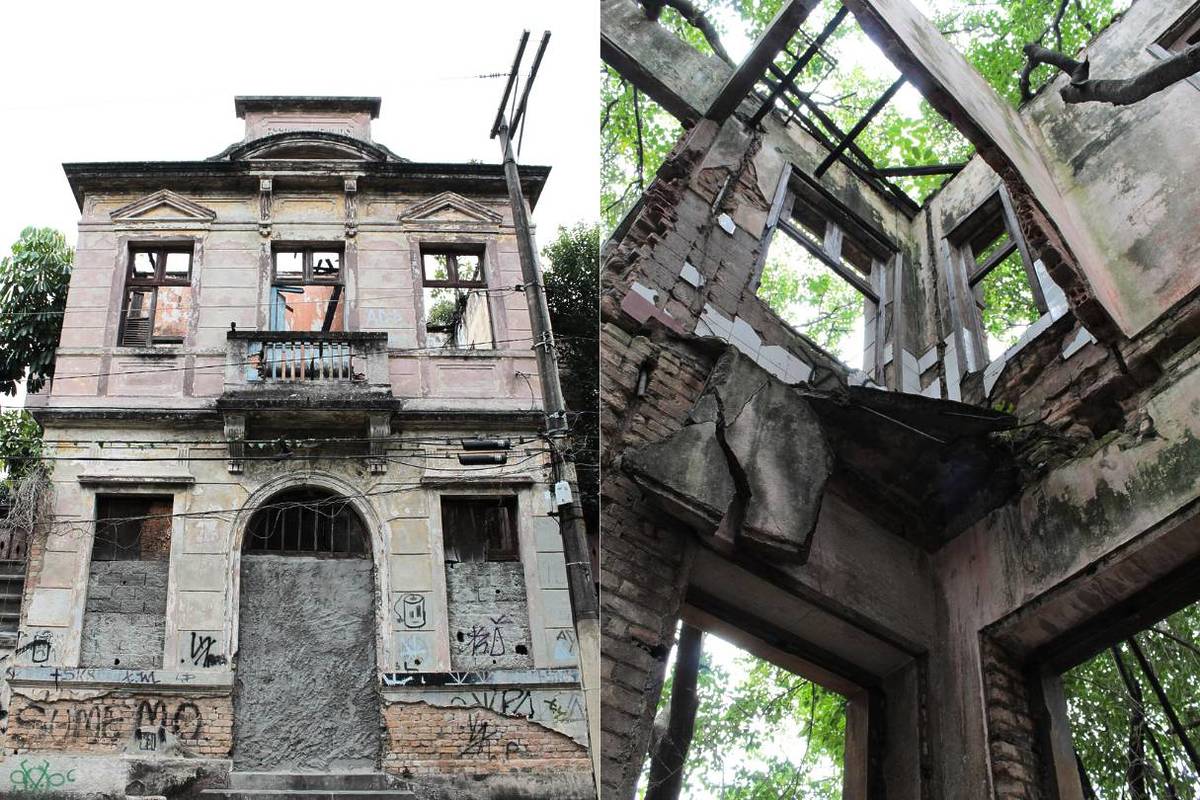
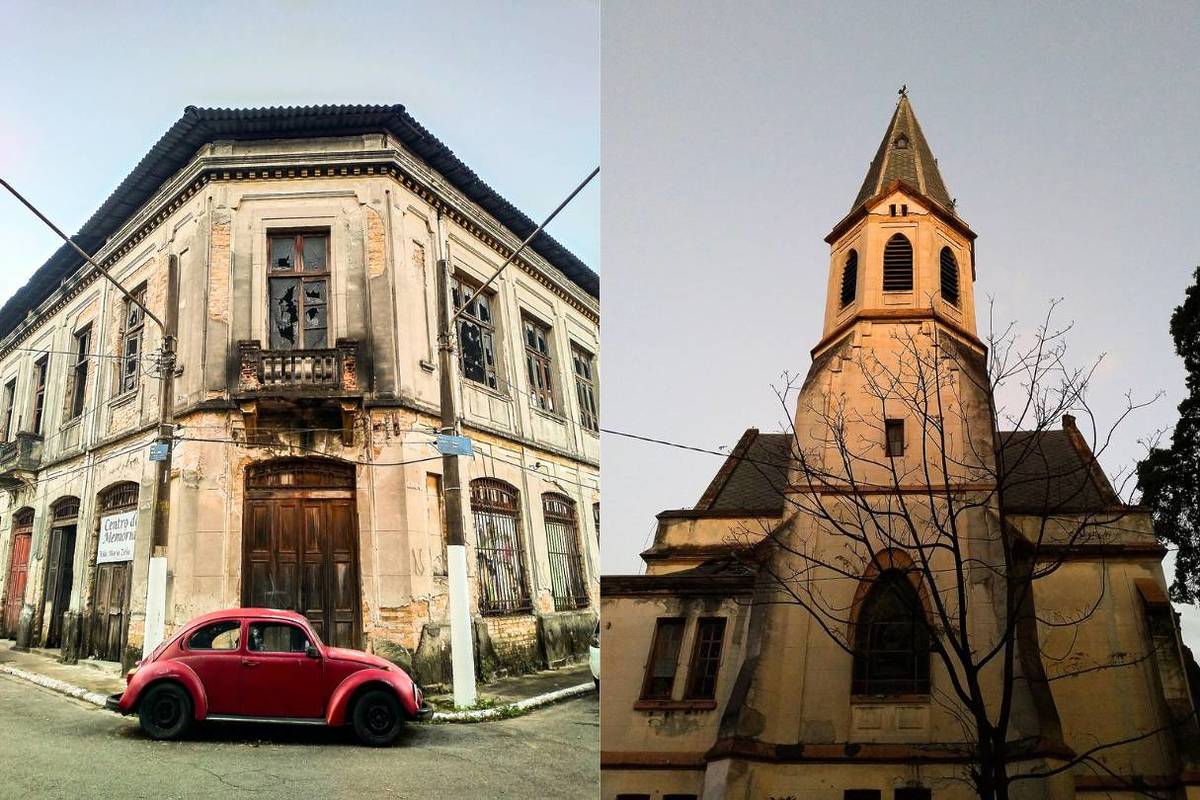
Today, most of the houses have lost their original 1910s architecture. The original commercial buildings, on the other hand, belong to the government and are still standing, despite their state of abandonment. Most of them are empty and in poor condition, suffering from thefts of materials and episodes of vandalism.
The good news is that some buildings are still in use, which contributes to their conservation. For example, the chapel and the old pharmacy, which today houses the XIX Theater Group and hosts artistic activities. In addition, Sociedade Amigos da Vila Maria Zélia promotes cultural activities in the neighborhood in order to keep the memory of this historical heritage of the city of São Paulo alive.