In a big city like São Paulo, sometimes all we need is a breath of fresh air to de-stress. That’s why we’ve selected a few places to enjoy nature in São Paulo, for those who want to get away from the hustle and bustle of city life for a while. Let’s check them out!

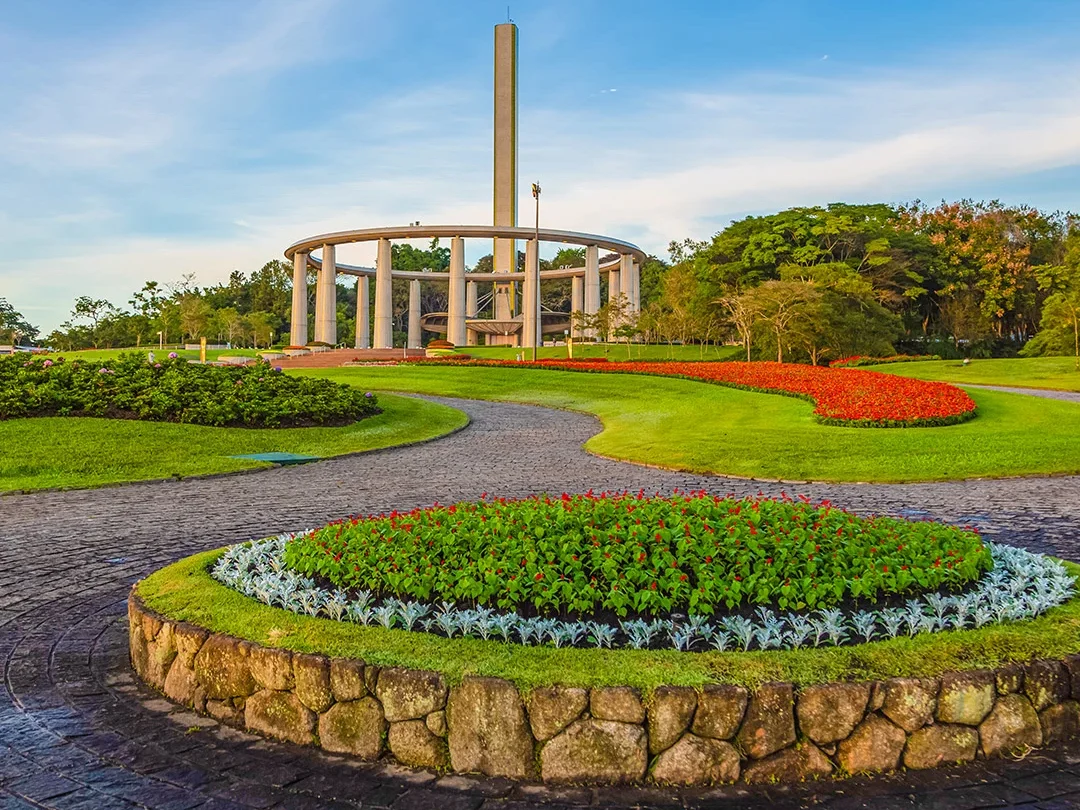
Advance reservations are required via email at agendamento@solosagrado.org.br
The Sacred Ground was built by the World Messianic Church of Brazil on the banks of the Guarapiranga Reservoir, with the intention of serving as a “prototype of paradise on earth.” Its 327,500 m² area has made it one of the most beautiful places surrounded by nature in the city.

Advance reservations are required
The world’s largest urban coffee plantation is right here in São Paulo. With about 2,000 coffee trees covering an area of 10,000 m², the plantation is located at the headquarters of the Biological Institute in Vila Mariana, just five minutes from Ibirapuera Park. The plantation consists of the Mundo Novo and Catuaí coffee varieties, developed by the Agronomic Institute (IAC).
According to the São Paulo State Department of Agriculture and Supply, the coffee plantation was established in the 1950s and served as a research site for the Institute’s technicians to study agricultural pest control.

It seems hard to believe that you can find waterfalls right within São Paulo’s city limits. But it’s true! In the far south, in the neighborhoods of Parelheiros and Engenheiro Marsilac, you can enjoy five waterfalls without even leaving the city. Check out the complete list and addresses here.

Considered the “beach” for those who live in the far south of the capital, the reservoir is proof that São Paulo residents don’t have to head down into the mountains to swim, sunbathe, and enjoy nature.
Located on the border between the municipalities of São Paulo, Itapecerica da Serra, and Embu-Guaçu, the reservoir features 18 beaches recognized by the city government, as well as five parks in the surrounding area. All of this makes it one of the best places in São Paulo to enjoy nature, play sports, and relax.

In the northern part of the capital, at Cantareira State Park, you can take an incredible hike to leave the madness of everyday life behind. Open to the public in 1989, the park is one of the largest native urban forests in the world.
One of the most popular trails among visitors is the Pedra Grande Trail, which offers a panoramic view of the city. Access to the lookout point is via the Pedra Grande Center.

About 30 kilometers from downtown, Ilha do Bororé defies the typical image of São Paulo. Known as an island, the neighborhood is actually a peninsula surrounded by the Billings Reservoir, and it’s yet another place that offers a breath of fresh air in São Paulo.

How about going for a bike ride and feeling the breeze on your face? Or renting a paddleboat to enjoy the day out on the lake? All of this is possible at the Tietê Ecological Park, which offers a variety of activities.

If you’re in need of an urban detox, this is the place. The highest point in São Paulo offers visitors plenty of greenery, silence, trails, and crystal-clear air.

Biodiversity is the highlight here. In addition to the various types of trees (including eucalyptus, brazilwood, jatoba, and many others), you can also spot toucans, parakeets, squirrels, capuchin monkeys, and even capybaras. How about a picnic while listening to the birds sing?

In 2003, “Seu” Hélio Silva decided to plant trees in a degraded area of Penha. Twenty years later, the saplings have grown and become Tiquatira Linear Park, one of the most nature-rich places in the East Zone.

In the West Zone, Água Branca Park is a great choice for anyone looking for a green retreat in the middle of the city. Founded in 1929 to host zootechnical events, this nearly century-old space now serves as a green lung spanning more than 1,300 hectares. The park preserves a unique natural environment, with flower beds and shaded areas.
Itaim Municipal Natural Park
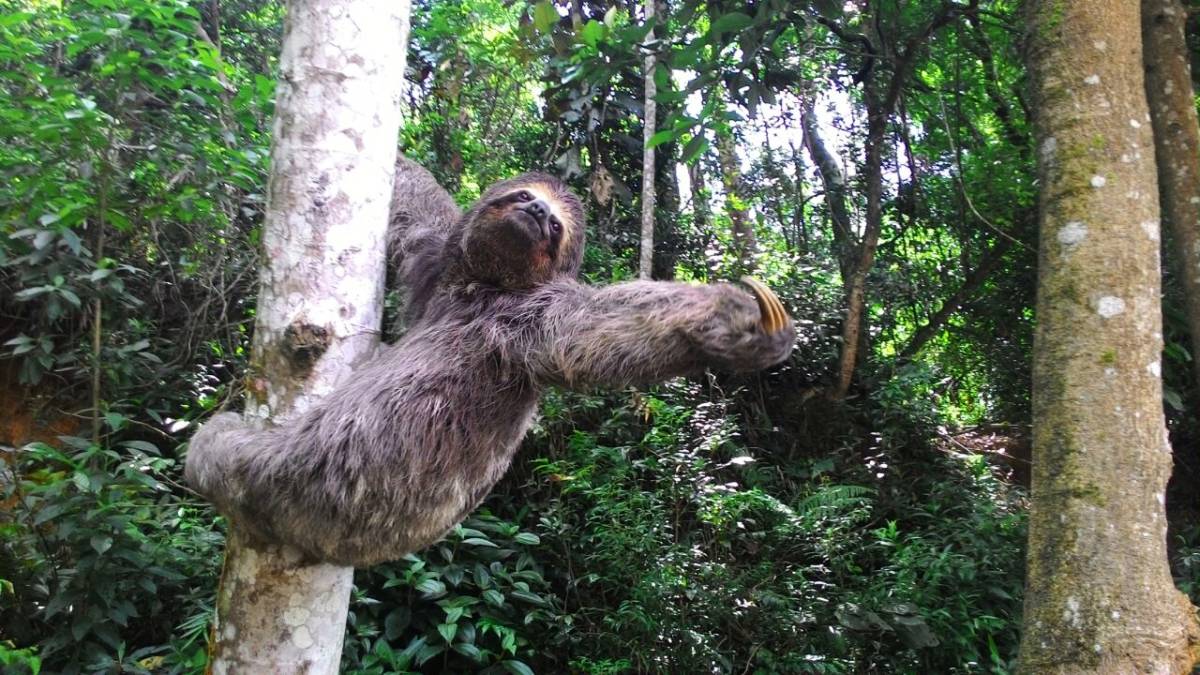
This park in the South Zone is home to 470 hectares of biodiversity, making it one of the best places to reconnect with nature in São Paulo. In addition to enjoying the vegetation, you might even spot sloths and little monkeys there!
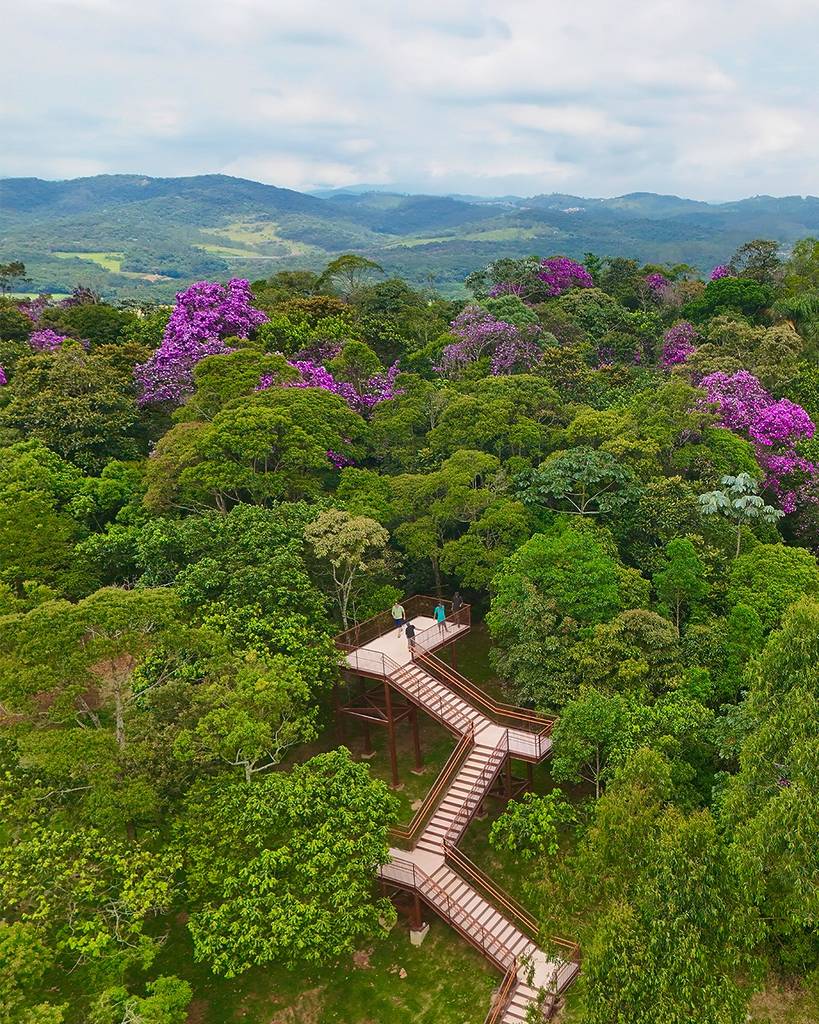
Among the places to experience nature in São Paulo’s East Zone is the Cabeceiras do Aricanduva Natural Park. Covering more than 2 million square meters, the park preserves springs and stretches of Atlantic Forest and functions as a “natural sponge” that helps regulate the city’s water supply.
Visitors can walk along elevated walkways through the vegetation, hike the trails, and enjoy the scenery from a lookout point and an observation tower. The site also features playgrounds for children, small plazas, and fitness equipment, combining recreation with environmental education.

Trianon Park is a large Atlantic Forest reserve right in the heart of Paulista Avenue. In other words, even on one of the city’s busiest thoroughfares, nature thrives in São Paulo! It features 48,600 square meters of tropical vegetation, offering a breath of fresh air in the big city.

Located in Sapopemba, Fazenda da Juta Park is a new option for enjoying nature without having to go too far. Restored and transformed at the request of the local community, the park features suspended walkways that allow visitors to explore and observe nature in a sustainable way, including dozens of tree species and birds native to the Atlantic Forest.
The park features observation decks, a community gym, paths for light hikes, and playgrounds, as well as essential amenities such as public restrooms, diaper-changing stations, and drinking fountains.
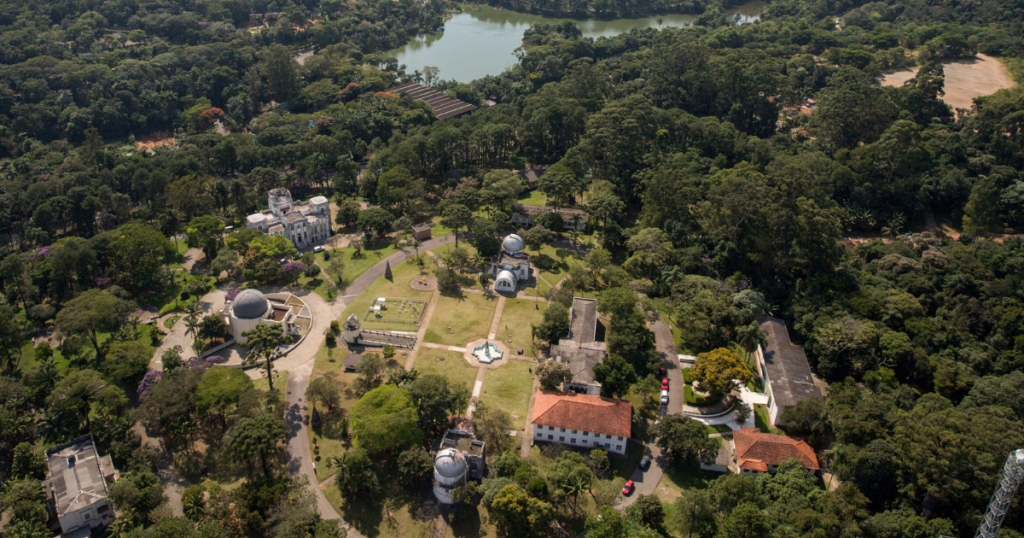
CienTec Park is a little-known spot, yet brimming with nature in São Paulo. In addition to lush flora, the park features scientific attractions perfect for families, including a planetarium to round out the experience.

São Paulo’s most popular park may be an obvious choice, but it’s worth mentioning. Although it tends to get more crowded on weekends, it’s still a great place to breathe fresh air, smell the earth, and connect with nature in São Paulo.
Tip: The Ibirapuera Park website provides a map to help visitors identify the flora and fauna found there.

If you want to escape the hustle and bustle of the concrete jungle, Alfredo Volpi Park is a true hidden gem in the Morumbi neighborhood. With over 142,000 square meters of Atlantic Forest, the former “Bosque do Morumbi” is the perfect retreat for a picnic, exploring trails up to one kilometer long, or observing the local flora and fauna—which even includes sloths!

And finally, why not bring nature into your home? CEAGESP is home to the country’s largest flower market. There, more than 800,000 metric tons of flowers and plants are sold each week. Be prepared to carry pot after pot!