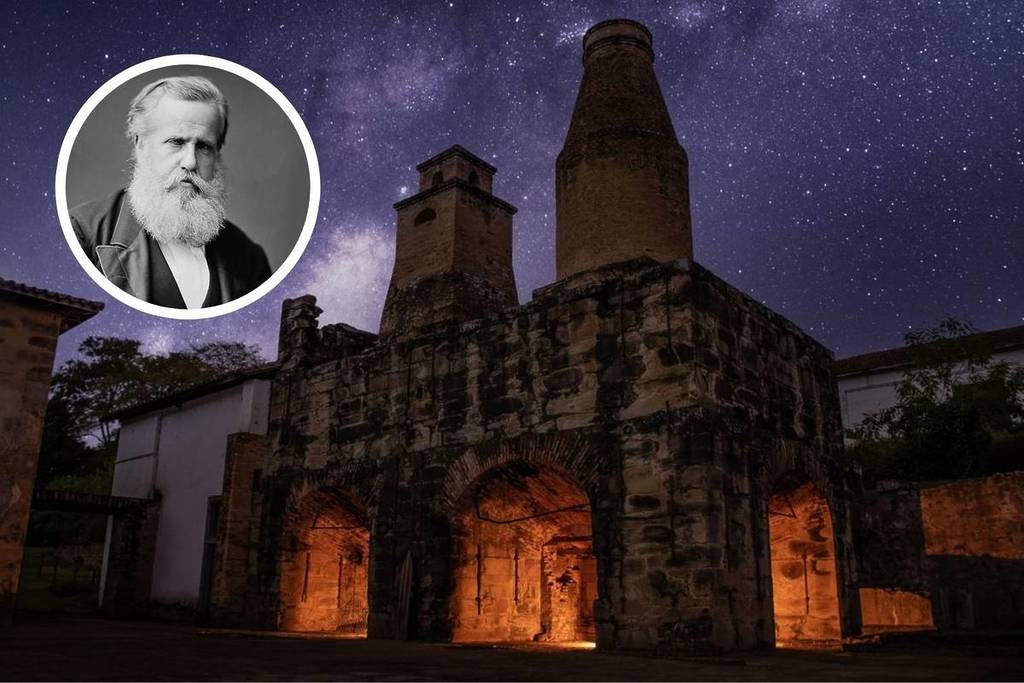
Located in Iperó, in the interior of São Paulo, Fazenda Ipanema became a historic site famous for housing the ruins of the Real Fábrica de Ferro São João de Ipanema(Royal Iron Factory of São João de Ipanema). The region, discovered in 1589 by father and son bandeirantes Afonso Sardinha, housed two smelting furnaces that used wood, water, and local ore to operate.
The experiments carried out in the 16th century by the Sardinhas are documented as the first attempt to produce iron in the Americas.
Years later, in 1810, the Portuguese royalfamily decided to invest in a steel mill in the same location, interested in its proximity to Morro Araçoiaba, which had iron ore deposits, as well as abundant natural resources to fuel the factory’s furnaces.
Another investment was the importation of professionals with experience in steelmaking. Germans and Swedes arrived at the factory. Swedes and Austrians arrived at the factory. In addition to them, the factory also used slave labor, which was present in all stages of production.
The end of the São João de Ipanema Royal Iron Factory
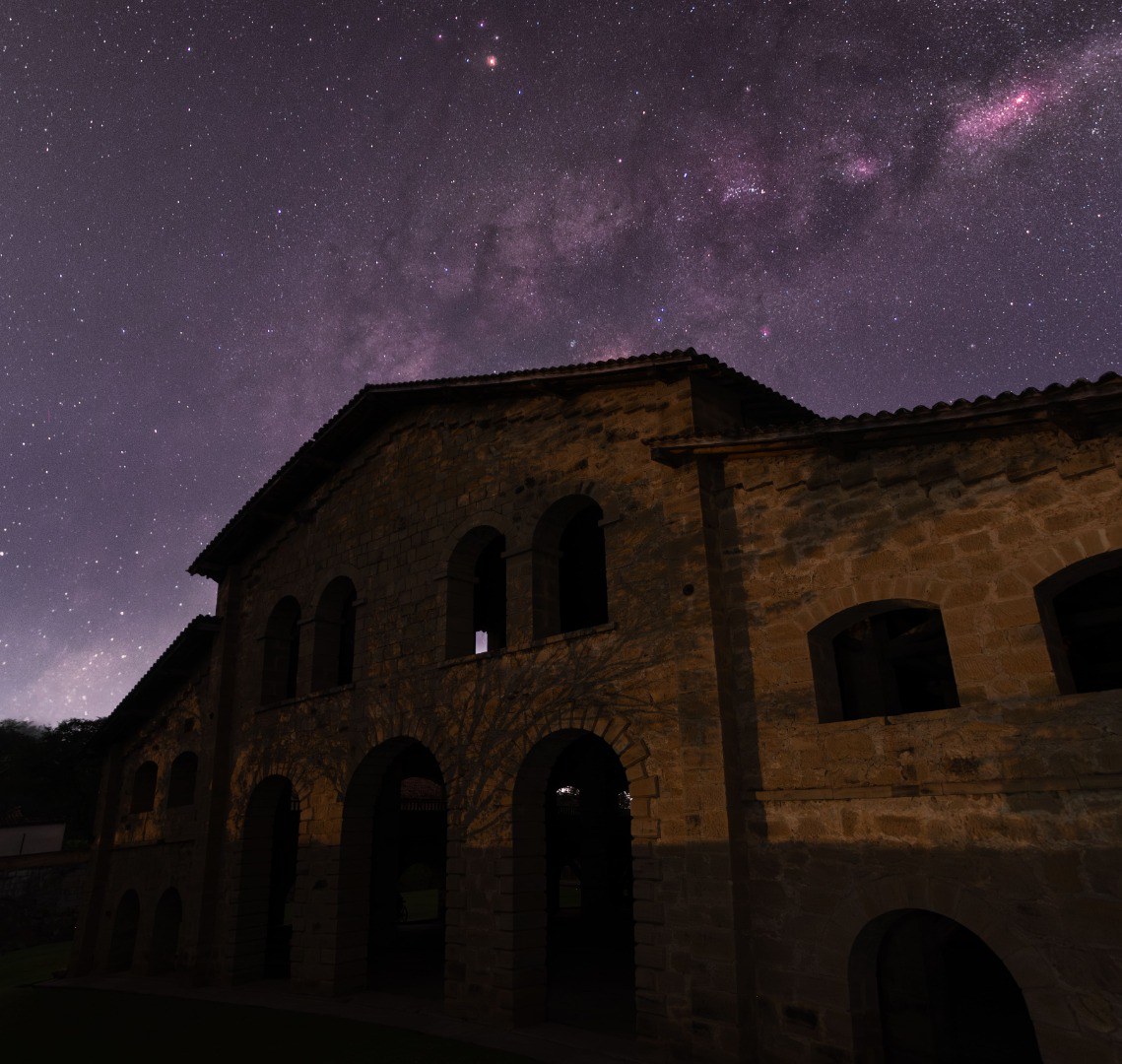 Photo: Chico Mendes Institute for Biodiversity Conservation/Rafael Béccheri Cortez
After years of growth under the leadership of General Mursa, it became a benchmark for technology in Brazil. The Styrian process brought by Austrian workers in 1878 was responsible for modernization, as it was a new way of refining iron.
The factory was in full operation until around 1895, when it began to experience financial problems. Broader and cheaper competition, in addition to the high cost of maintenance, accelerated the process. It was transferred to the Ministry of War, and the space was used as a warehouse and barracks, marking the end of steelmaking activities.
The factory was officially closed in 1912, through Decree No. 9,757. The buildings were used for agricultural and military purposes in the following decades and, after being vacated, were abandoned. Today, the site has been a listed historical heritage site since 1964.
What to expect from a visit to Fazenda Ipanema
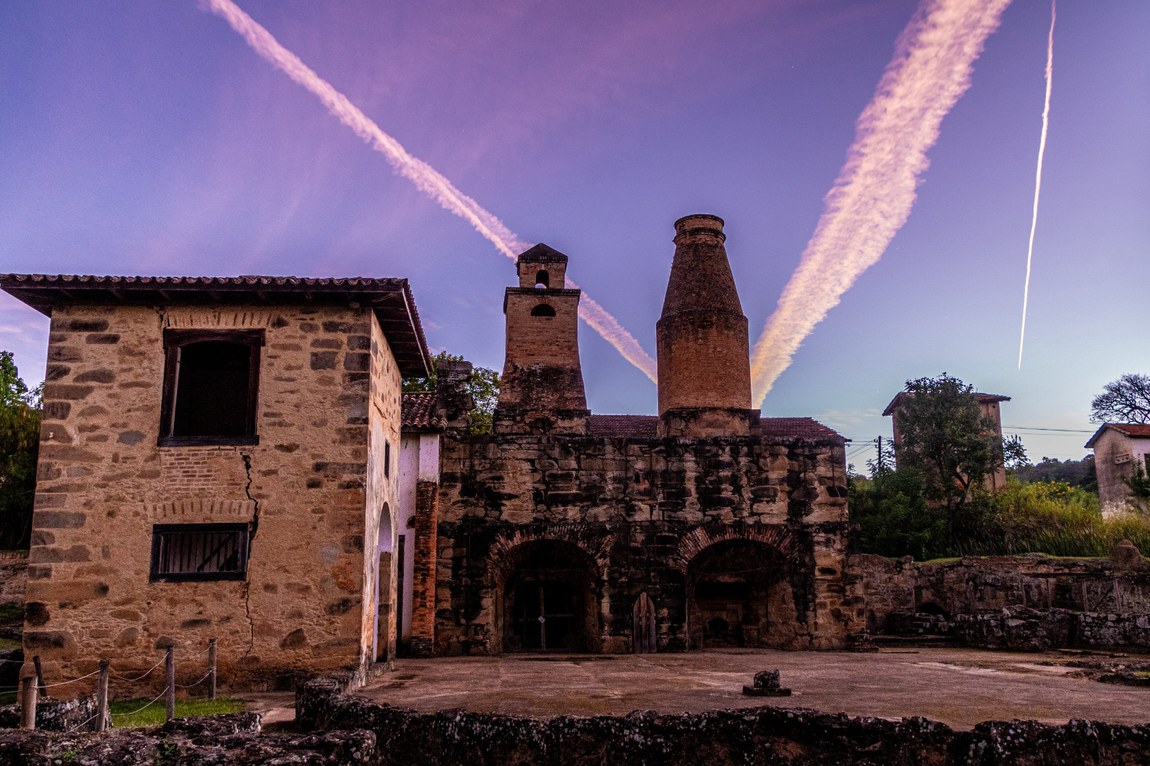 Photo: Chico Mendes Institute for Biodiversity Conservation/Rafael Béccheri Cortez
Located in the Ipanema National Forest, the farm is home to up to 300 species of birds that can be spotted during the visit, and it is also possible to go cycling and even stargazing. If you choose to learn about the history of the place, it is recommended to hire a guide who specializes in the subject.
About 20% of the old factory is still standing and well preserved. The tour covers everything from the furnaces and workshops to the administration headquarters, which hosted Dom Pedro II during his visits to the steel mill. Another must-see is the guard house, which has an iron door installed in celebration of Dom Pedro II’s coming of age in 1840.
The historical tour also covers the old locomotive used in the iron foundry, the sundial that is still in working order, and the Protestant cemetery, considered one of the first in Brazil.