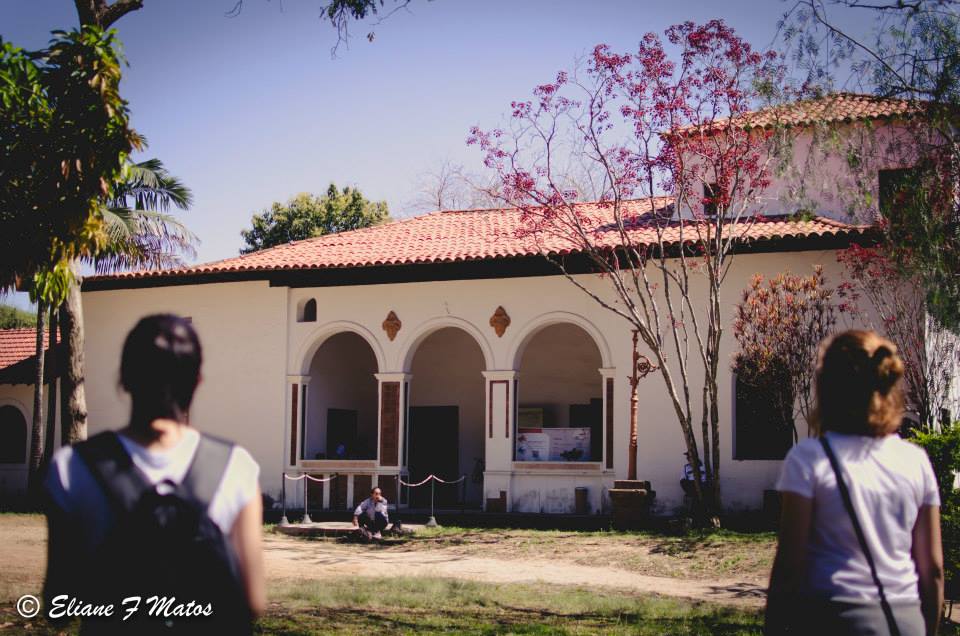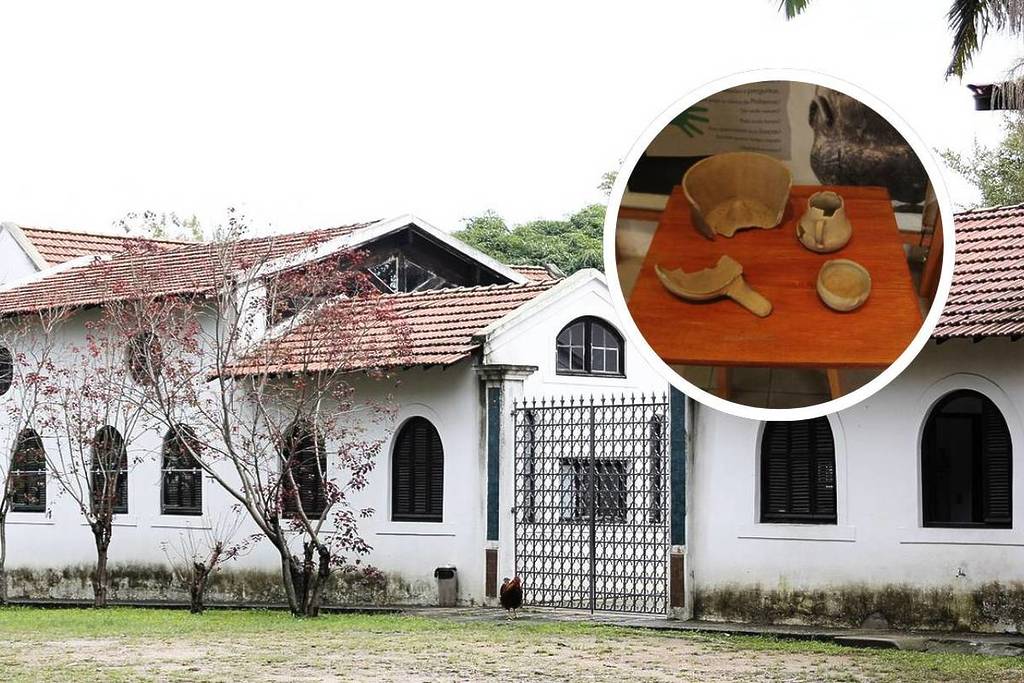
Sítio Morrinhos is one of the historic houses that remain standing in São Paulo, preserving part of the city’s history. The architectural complex dates back to 1702 and preserves the bandeirista architecture, making it a relic in the heart of São Paulo’s North Zone.
Today, it serves as the headquarters of the São Paulo Archaeology Center. But much earlier, in the 18th century, it was the rural residence of the Baruel family and was the site of historic moments in São Paulo. Learn about the history of Sítio Morrinhos below!
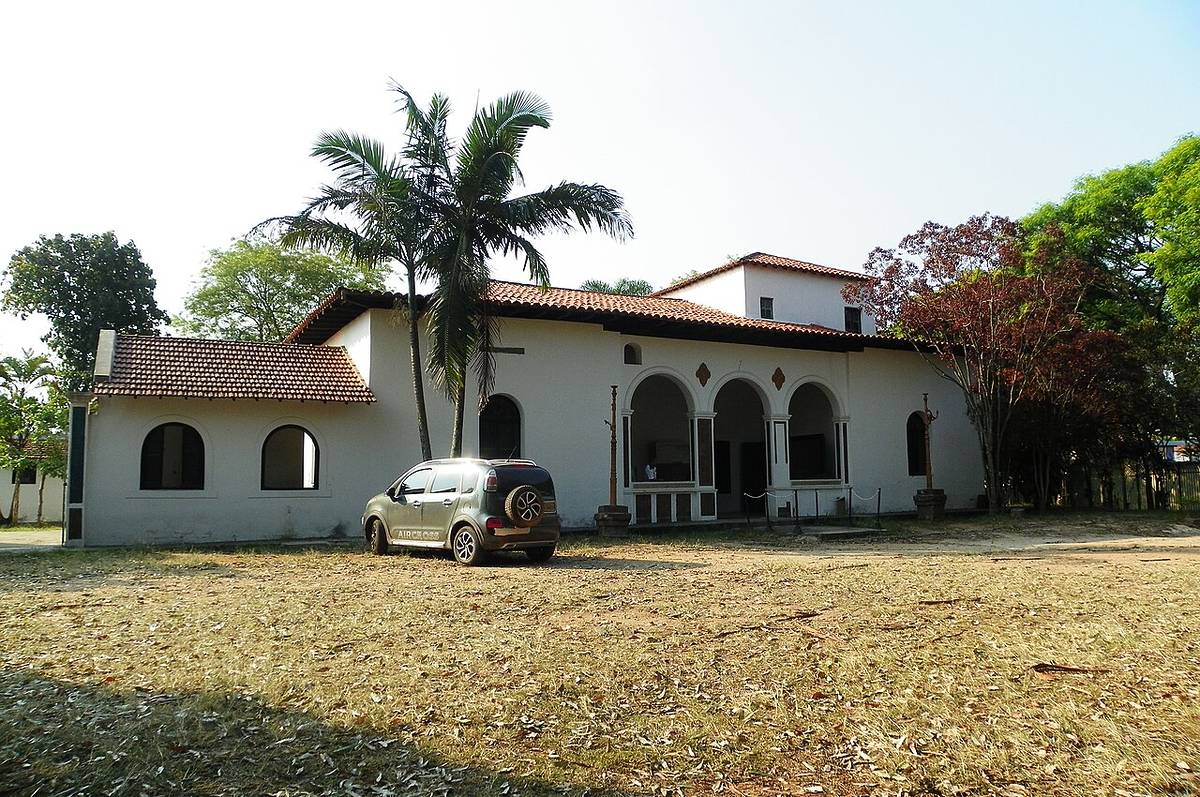
Sítio Morrinhos is an architectural relic in São Paulo
The building is located in Jardim São Bento, but its history is much older than the neighborhood. The main house, which is the oldest part of the complex, was built in the mid-1700s using the rammed earth technique. The adjoining buildings, which used to house the slave quarters , animal housing and workshops, are made of 19th century brick masonry.
In 1902, the whole area was put up for auction and bought by the Associação Pedagógica Paulista, representing the São Bento Monastery. From then on, the space served as a resting place for its members at weekends. At the beginning of the 20th century, the Benedictines even built a little room on the upper floor.
A few years later, in 1952, the São Bento Monastery made an agreement with Camargo Correa S.A. to subdivide the area, which gave rise to the current Jardim São Bento neighborhood. Under this agreement, Sebastião Ferraz de Camargo became the owner of the plot where Sítio Morrinhos is located.
How to find out?
The new owner donated the property to São Paulo City Hall. Even so, the archaeological site remained closed to the public, as it was in a precarious state of conservation.
After a series of restorations, Sítio Morrinhos opened its doors to the public for the first time in 2008. Since then, it has housed the São Paulo Archaeology Center, whose collection contains around 1 million pieces.
Sítio Morrinhos is located at 102 Santo Anselmo Street and is free to visit. Its collection is part of the Museum of the City of São Paulo, along with other historic houses in the capital, such as the Solar da Marquesa dos Santos.
Note: since May 2024, visits to Sítio Morrinhos have been temporarily suspended due to restoration and requalification work. Check out the official profile of the Museum of the City of São Paulo to find out when the space will reopen.