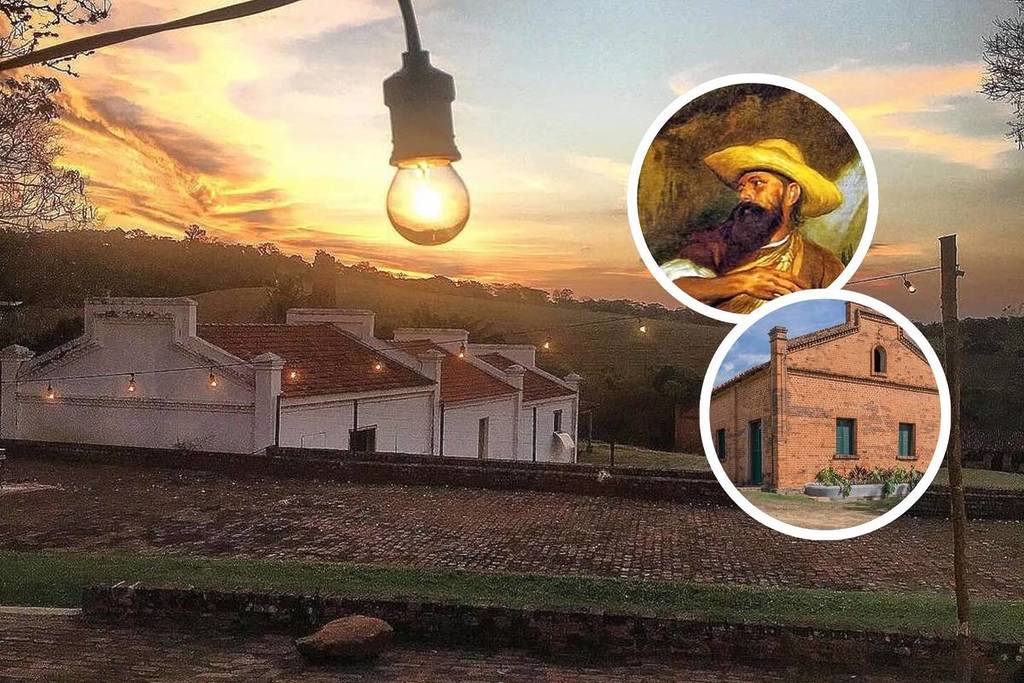

Built in 1790, the Vassoural Farm is located in the rural area of Itu, featuring a Bandeirista-style rammed-earth main house. With Itu included in the “Sugar Quadrilateral” alongside Sorocaba, Piracicaba, Mogi-Guaçu, and Jundiaí, the farm began as a sugar mill.
Later, following the economic cycle of São Paulo, Vassoural shifted to coffee production. From the time of its construction, the farm relied heavily on slave labor, forming part of the agroslaverysystem of the time.
Founded during the colonial era, under the Sesmarias Law, the farm is linked to the settlement plan for Itu in the 17th century. The lands belonged to Beatriz Borba Gato, grandmother of the Bandeirante lieutenant general Manuel de Borba Gato.
However, in 1756, after remaining in the same family for over 200 years, Antônio Pacheco da Silva, a descendant of bandeirantes, purchased the farm. And since then, the property has remained in the same family for seven generations.
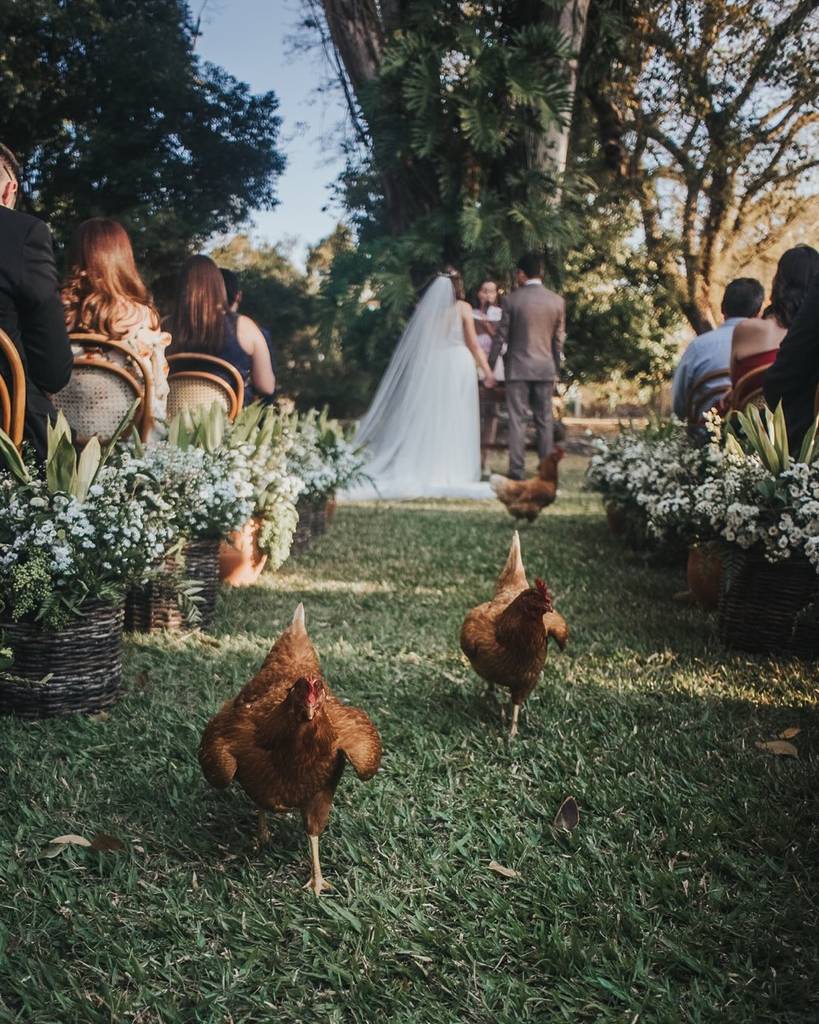
Currently, Vassoural’s main economic activity is rural tourism, in addition to serving as a venue for events and weddings.
The Past and Present of the Vassoural Farm
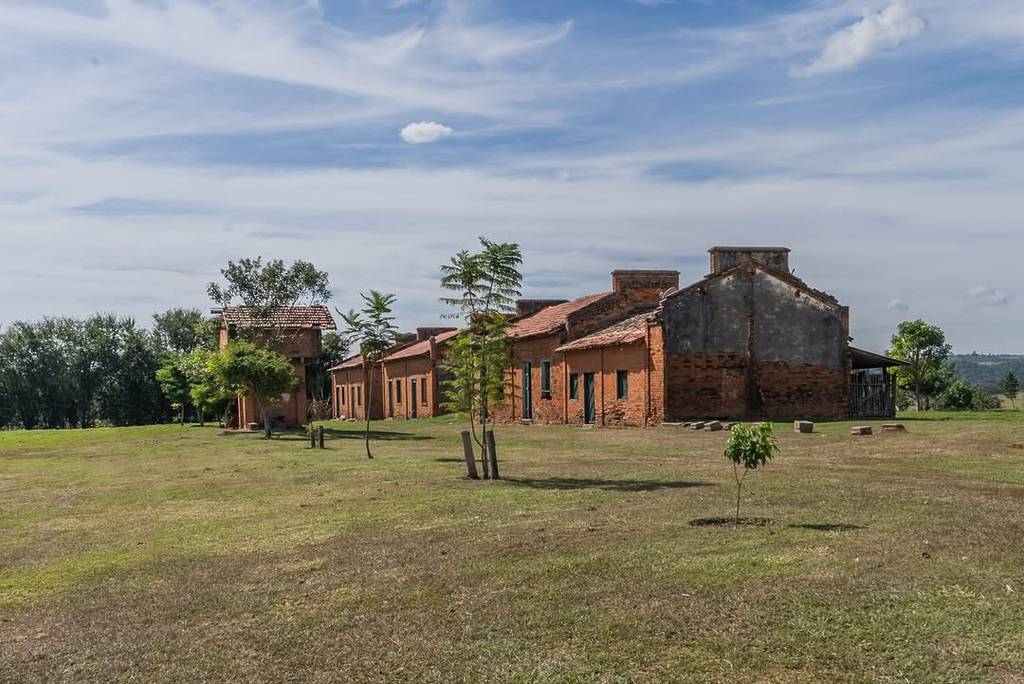
The elongated single-story house with a hipped roof has thick rammed-earth walls, in keeping with 18th-century construction techniques. The former main courtyard, where the sugarcane mill’s yard once stood, is now the pool area.
The complex also included drying houses, a mill, granaries, and other structures associated with coffee production of the time. The main highlight is the “Trem-da-Jamaica” oven, which, according to research on rural architecture, is believed to be the last remaining example in the country.
The name refers to Jamaica, as at the time the country was one of the major sugar producers in the Caribbean.
Today, as it hosts so many events, some structures, such as the granaries, have required adaptations and have been transformed into banquet halls. The courtyards and gardens have also been reorganized.
In total, the site can accommodate up to a thousand people. Care is still taken to preserve the details of the era and not detract from the historical character that is the farm’s main attraction.
How to visit the farm?
Visits to the property are by appointment only, via phone, email, or official social media channels. It is possible to host events such as weddings, corporate events, and parties in general, as well as to accommodate groups on-site. The main house and annexes can accommodate up to 38 people.
In addition, there are historical tours available in the region that recount the history of the farm, its production cycles, and the period of slavery. Visitors can even get a close look at the “Trem-da-Jamaica” oven.
The farm also hosts school field trips, offering educational activities such as the “The Beginning of Things” project. The goal is to explore life in the countryside and all the transitions the property has undergone throughout history.