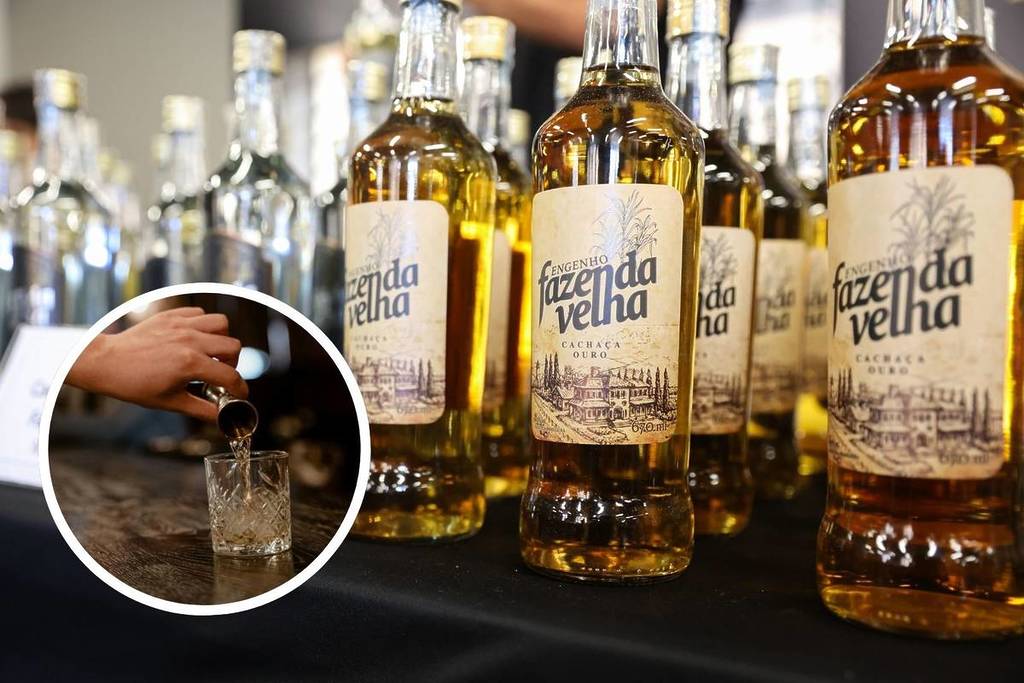
With an eye on gastronomic tourism, the São Paulo State Government announced the creation of the Cachaça Route in the interior of São Paulo. The proposal promises to bring together all cachaça lovers: from producers to end consumers.
In an effort to expand the market, the route will attract investment and boost São Paulo cachaça on the national and international scene. There will be 8 routes in 65 cities, with 8 destinations offering immersive tourist experiences and 8 offering business experiences.
The history of cachaça in Brazil
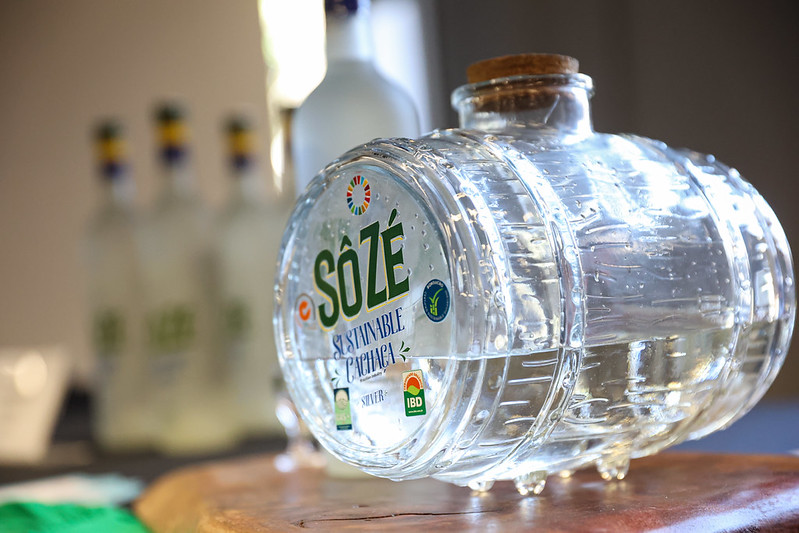 Photo: flickr/governosp
The origin of cachaça in the country is directly linked to the arrival of the Portuguese and sugar cane, the main raw material for the drink and the economic base of the time. The first cachaça distilled in Brazil was here in São Paulo, in the city of São Vicente, in 1532, proving that our connection with cachaça goes back many years.
After São Paulo expanded the market with more and more stills, other states also started using stills for their own production. Cachaça became so famous in Brazil that in 1649 the Portuguese Crown tried to ban it for threatening Portuguese wine sales.
However, cachaça is now recognized as cultural heritage, with a strong presence in our cuisine. São Paulo is one of the largest production centers, and you can enjoy a themed tour along the Cachaça Route without having to go very far.
The Cachaça Route through the interior of São Paulo
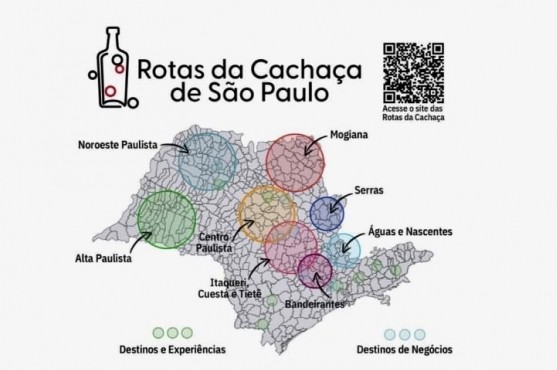 Photo: Batatais City Hall
Alta Paulista: This route offers award-winning cachaças, a rural experience, and the Cachaça Museum.
Circuito das Águas: Here you will find the mild climate of the mountainous region of São Paulo. The opportunity to visit historic farms and see artisanal cachaça distilleries.
Serras Paulistas: This is also a mountainous region, with lots of gastronomic and rural tourism.
Mogiana: Here, in addition to cachaça, you will find a strong coffee tradition. In addition to tastings.
Noroeste Paulista: The distilleries (many of them family-owned) focus on tourist experiences and product sales.
Cuesta / Itaqueri / Tietê: Full of adventure and gastronomy, here you will find landscapes of rivers and mountains, as well as historic distilleries.
Central São Paulo: The experience is business tourism, with events related to spirits. There are also cities with very diverse products.
Frutas and Bandeirantes: The focus is on cachaça and fruit growing, in addition to offering historical tours of the São Paulo flags.