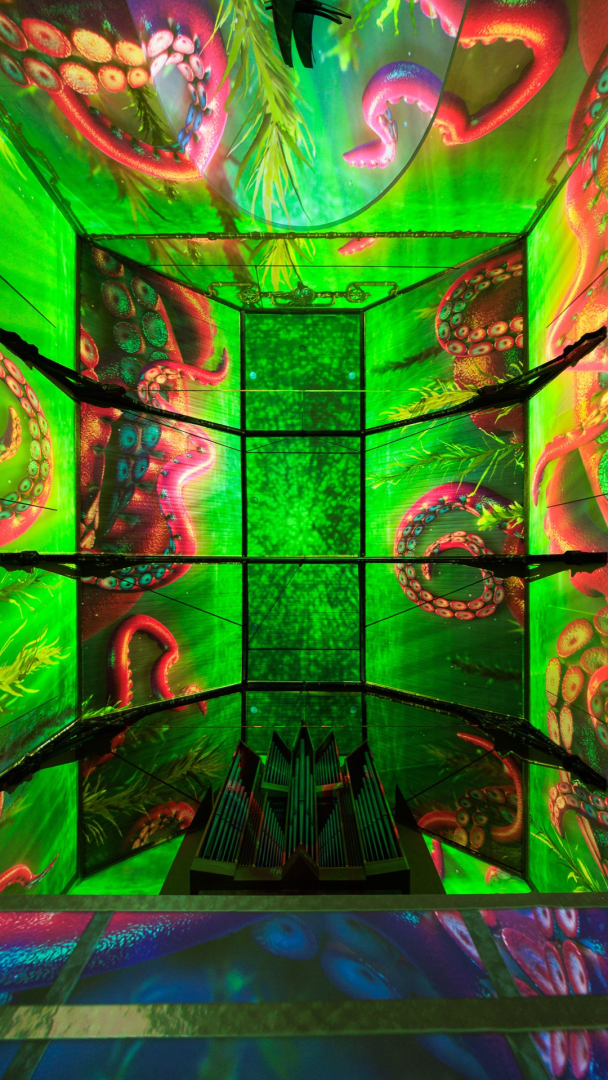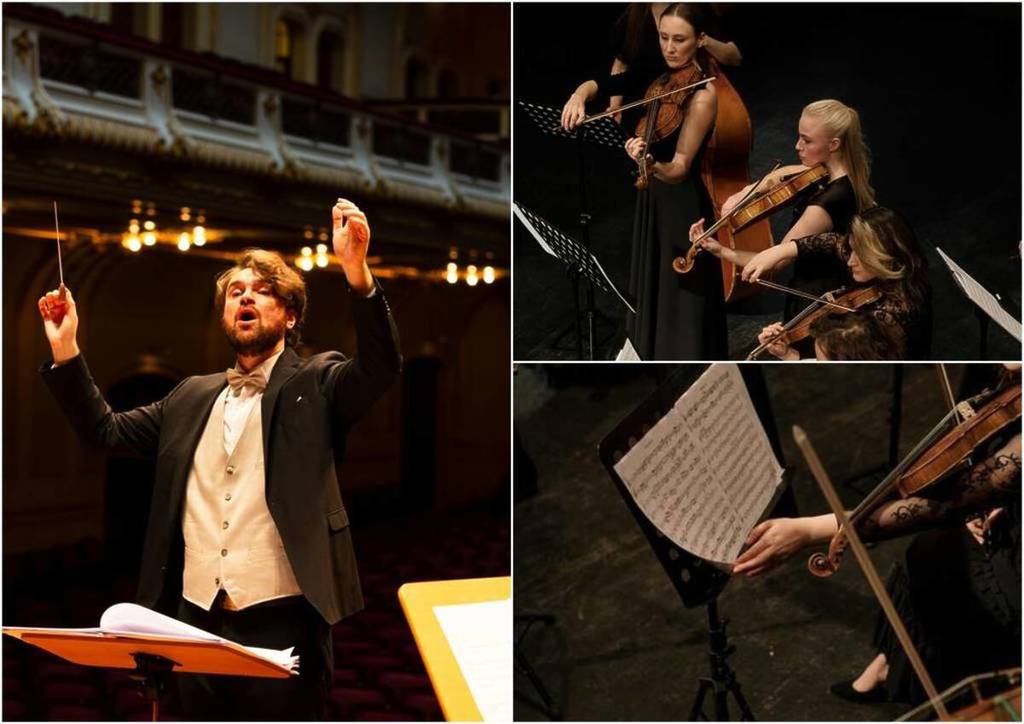
São Paulo has, almost without fanfare, become one of the major hubs of a quiet—and harmonious—transformation of classical music in Brazil. Traditionally associated with large, formal concert halls and a more mature audience, classical music today resonates through other parts of the city: historic spaces, unexpected venues, and experiences designed for those who want to feel, share, and experience live music.
This perspective is clear in the data from Classical Pulse 2026, a global study on classical music consumption, presented by Candlelight® (a Fever concert series) and conducted online by Dynata. The survey polled more than 8,000 people in 10 countries to understand how audiences currently engage with the genre—and the results show that classical music is far from being a restricted or outdated niche.
Classical Music Around the World
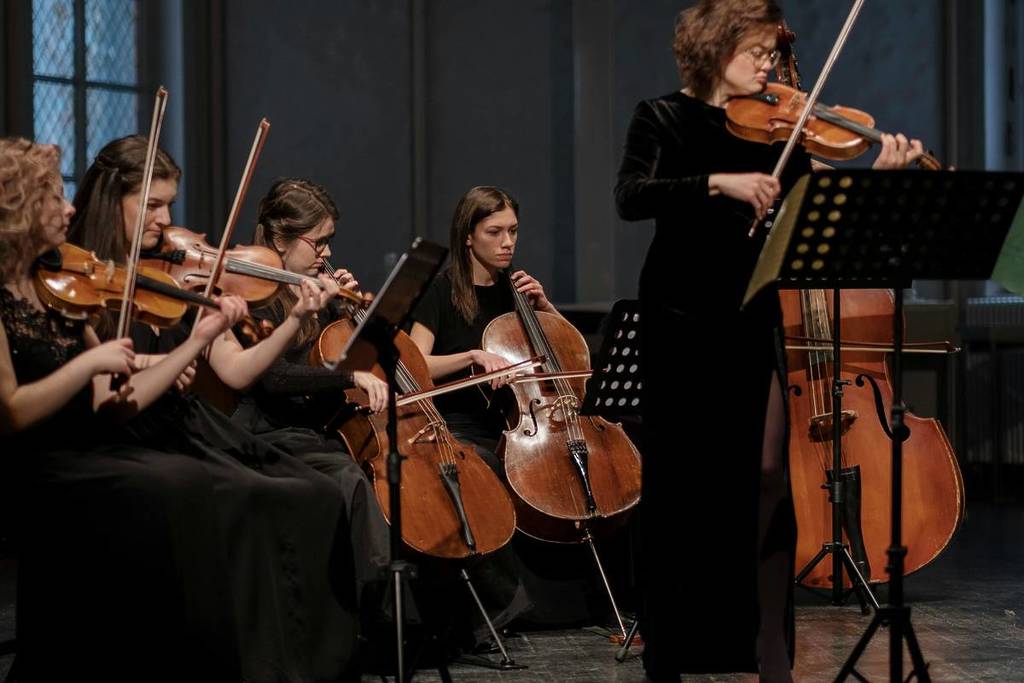 Image: Cottonbro Studio / Pexels
The study’s main finding is clear: young people are attending classical music concerts more frequently. Globally, Gen Z and Millennials lead the way in concert attendance and are nearly twice as likely to identify as “dedicated fans” than Gen X (8%) and Boomers (5%).
Contrary to the stereotype, the study shows that only a minority considers classical concerts long or boring. The real obstacle in Brazil is access—whether due to a lack of nearby concerts or the sense of exclusivity that still surrounds the genre.
Another revealing finding: audiences want something beyond the traditional format. Visual effects and concerts that blend genres are gaining prominence, while only 15% of people worldwide prefer to keep performances strictly classical. Classical music, it seems, calls for new stages, new languages, and new ways of connecting.
The Brazilian Pulse
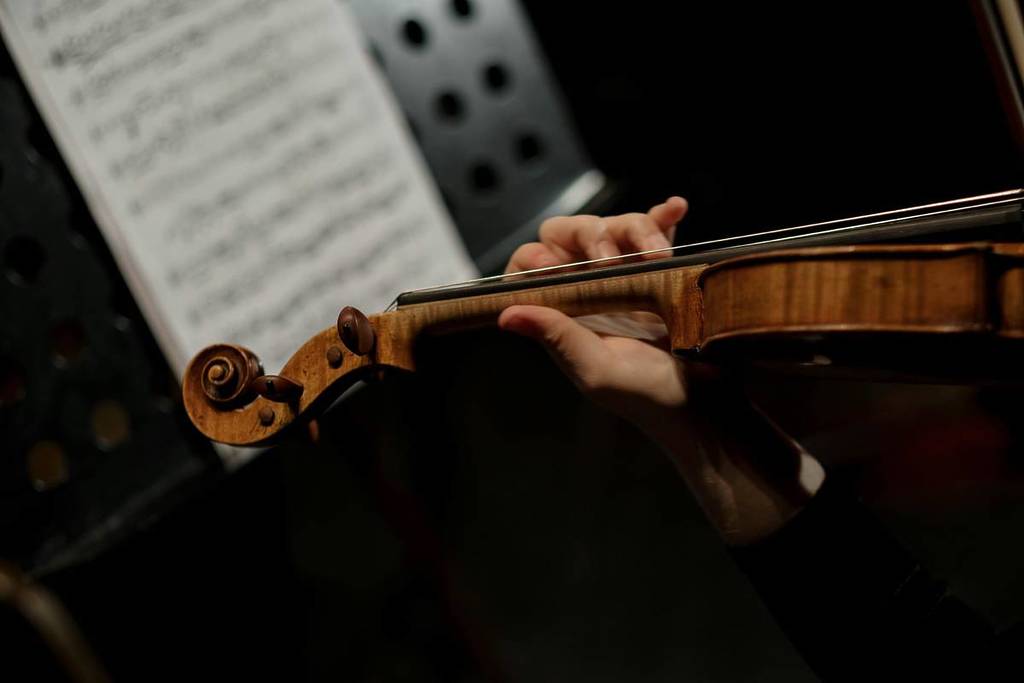
In Brazil, this movement is gaining even more momentum. The country stands out as the audience most connected to classical music in the world: 75% of Brazilians say they have some direct involvement with the genre—whether as musicians, students, teachers, or through family and friends.
Among those who have attended a concert, young people lead the way in recent attendance. Most of Generation Z and Millennials have been to at least one concert in the past year, many of them more than once. Among those who do not attend performances, the study identifies the lack of nearby concerts (42%) and a lack of interest in the genre (16%) as the main barriers.
Another striking finding is how people discover concerts. Unlike in many European countries, in Brazil social media is the primary way to find classical music concerts, surpassing even traditional word of mouth. Today, Brazilian classical music also finds its audience through social media feeds, stories, and shared invitations.
Classical Music in São Paulo
In São Paulo, all these trends are taking shape. The city that is never satisfied with a single format is increasingly embracing concerts outside the traditional mold, with experiences that blend light, storytelling, intimacy, and emotion. More than half of Brazilians have already attended performances in unconventional venues, and São Paulo is fertile ground for this kind of reinvention.
The national preference for concerts that blend genres is directly reflected in the city’s programming, which ranges from performances in historic venues to immersive experiences that bring classical music closer to new audiences. Here, music is no longer just listened to—it is lived, shared, and felt together.
Ultimately, São Paulo shows that the future of classical music lies not only in preserving the past, but in creating new urban rituals. Less formality, more connection. Less distance, more goosebumps.