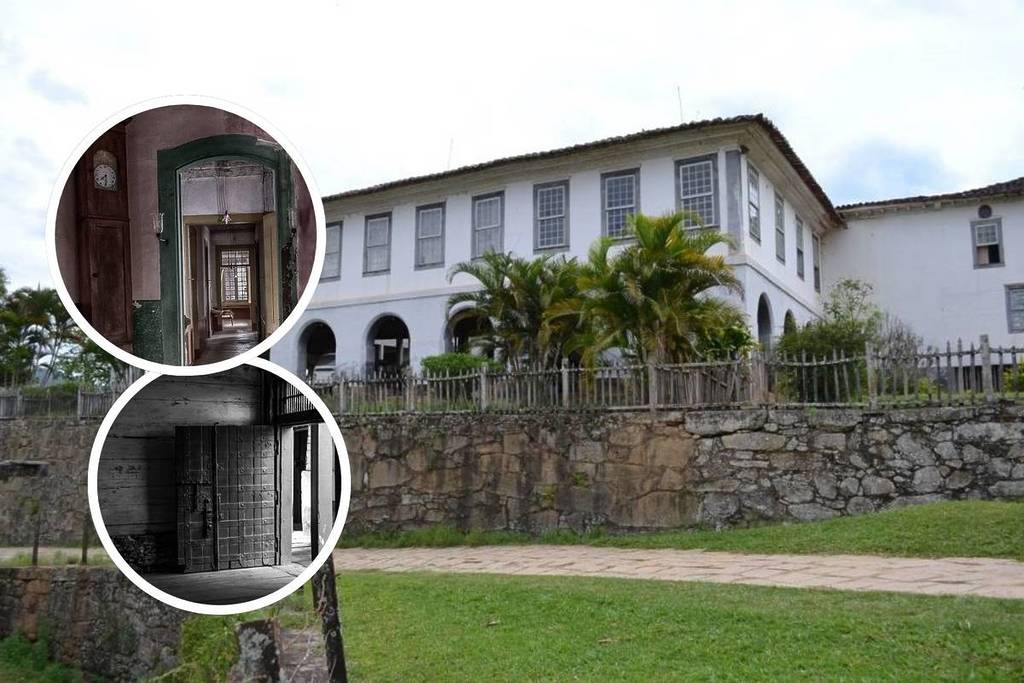

Located 300 km from São Paulo, the Santa Clara Farm in Santa Rita de Jacutinga, Minas Gerais, is the largest rural estate in Latin America. Built between 1760 and 1780, the 6,000-square-meter property today harbors a dark past and theories about numerology in its architecture.
The land was granted as a sesmaria to Commander Francisco Tereziano Fortes de Bustamante by the Imperial Government. The goal was to turn it into a large rural enterprise at the height of the coffee cycle. Later, the farm also became one of the great symbols of slavery in the country.
Architecture and the slave-owning past
The theory is that the numbers in the construction deliberately refer to the calendar. The 365 windows, representing the days of the year, the 52 rooms representing the weeks, and the 12 halls representing the months, the rumor surrounds the history of the place to this day.
Some say that the 365 windows never existed, and that some were painted to appear to provide better ventilation. Legend has it that the false windows were a means of deceiving inspectors at the time when prohibitions on the slave trade began.
During the 19th century, at the height of its productivity, the farm concentrated a number of slaves considered abnormal for the time. It housed up to 2,800 people and also served as a center for reproduction.
In 1924, after the abolition of slavery in Brazil, the farm experienced financial difficulties. After going to auction, it was purchased by Colonel João Honório de Paula Motta. The property remains in the family, who opened the site for visitors.
Tour of the Santa Clarafarm
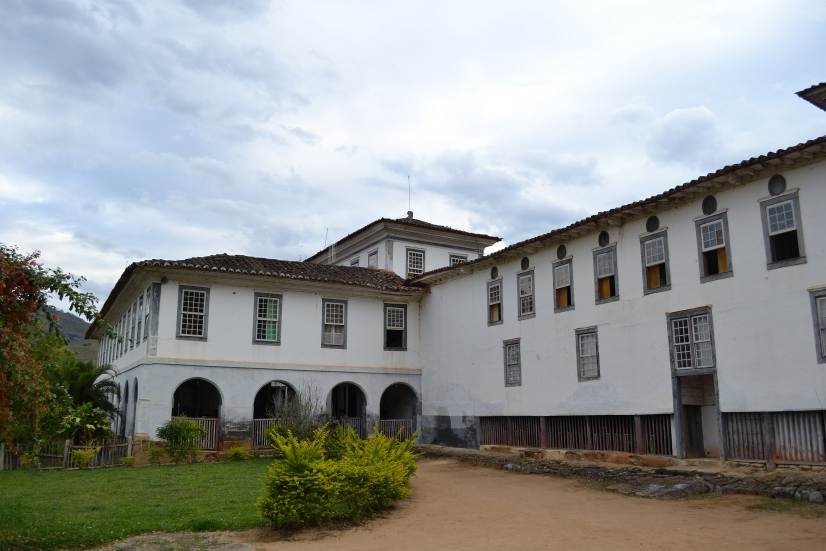
For years, the public was able to explore the farm internally, getting to know the place up close on a tour full of stories with one of the residents. The property has also been the setting for soap operas such as “Terra Nostra, “ by Rede Globo, and other audiovisual productions.
The current owners preserve the interior with furniture and objects from the period, and the slave quarters with logs and instruments of torture. Currently, the farm is closed to internal visits , and only the surroundings can be visited.
There was a recentcollapse in one of the walls of the slave quarters, and the farm’s structure proved to be fragile. It is a heritage site listed by the IEPHA of Minas Gerais, and does not receive investments or public funds for restoration, remaining structurally at risk.