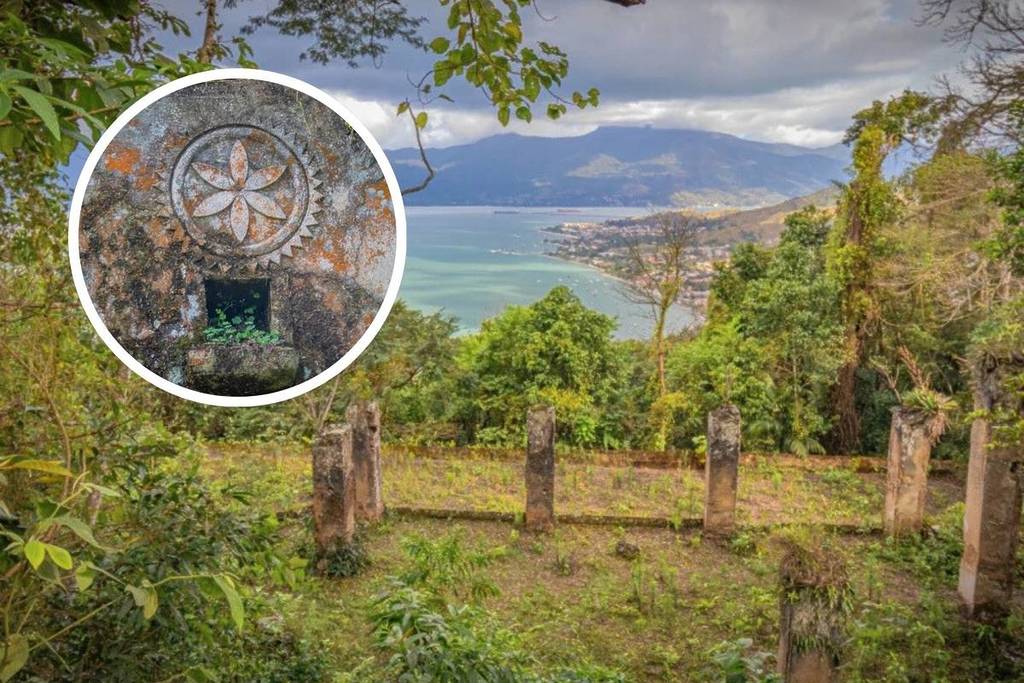

Many people pass through São Sebastião on their way to the ferry or the most famous beaches of the North Coast. But most have no idea that, right there, is one of the most impressive historical sites in the state: the São Francisco Archaeological Site.
Between the intense blue of the coastline and the deep green of the Atlantic Forest, this set of stone walls has stood for more than two centuries of history. It is one of those places that tells dense and very real chapters of Brazilian history.
Since its reopening in 2024, the space has returned to the radar of those seeking different experiences and may be your next weekend destination.
São Francisco Archaeological Site: colonial ruins between the sea and the Serra do Mar mountain range
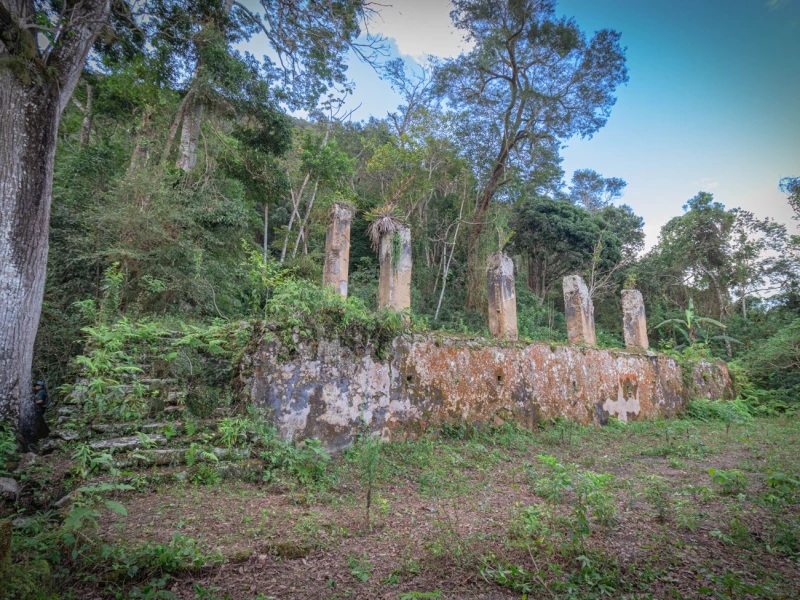
At first glance, what takes your breath away are the stone and lime structures partially embraced by vegetation. The contrast is almost cinematic: ancient arches, exuberant nature, and the feeling of having found something that has remained off the radar of time.
It is not difficult to understand why the nickname “Machu Picchu of São Paulo” has gained traction. Not because of its architectural similarity to the Inca city, but because of the feeling of unexpected discovery. Almost like stumbling upon a historical secret.
A farm linked to the slave system operated there during the colonial period. Walking among the walls that have witnessed more than two hundred years of transformations in Brazil is to see up close ruins that remain as silent witnesses to the past.
How to visit
Located within the Serra do Mar State Park, at an altitude of about 260 meters, the site combines archaeological relevance and a privileged view of the region. After a period of closure, it reopened in 2024, with a restructured trail, adequate access, and a new viewing deck that made the experience safer and more organized.
To visit, you must have an accredited guide, a measure that ensures the preservation of heritage and the safety of visitors. Since its reopening, hundreds of people have already visited, and the number of visitors is likely to grow as more travelers discover the site.
It is worth planning ahead, checking schedules and availability of guided tours, and including the tour in your next day trip. After all, it is not every day that you find such a significant piece of Brazilian history between the sea and the mountains.