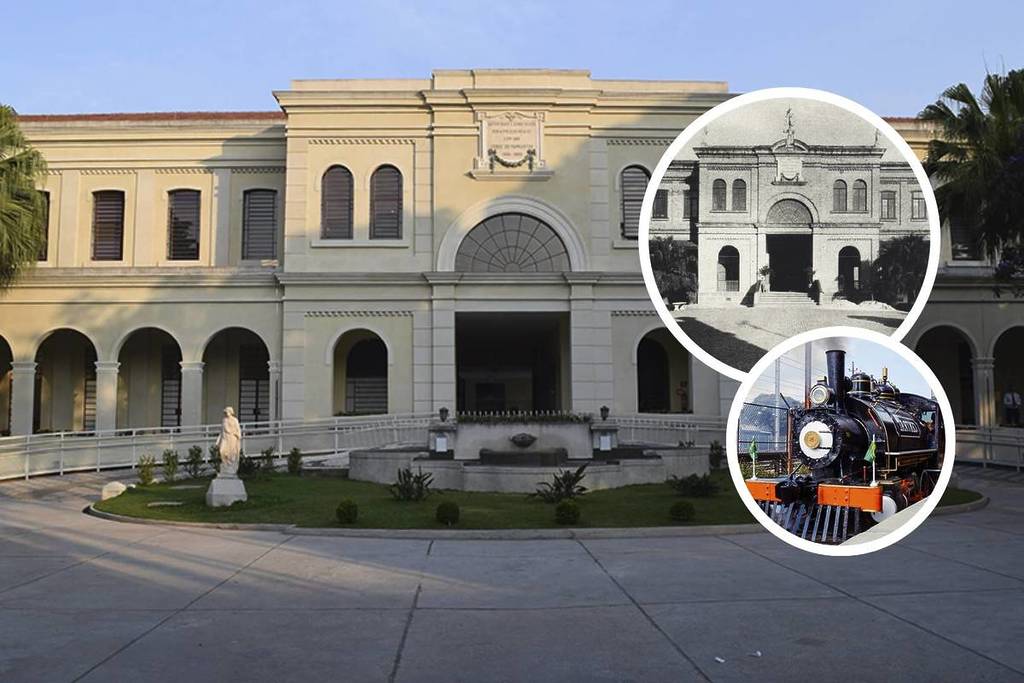

Established in June 1993, the Immigration Museum is a historic building that once housed the old Immigrant Hostel in the Brás neighborhood. Affiliated with the São Paulo State Department of Culture, the museum aims to preserve and discuss immigration in Brazil.
The institution, formerly known as the Immigrant Memorial, underwent restoration between 2010 and 2014, after which it resumed the name Immigration Museum. Today, the institution portrays themigratory flows that helped build São Paulo over time. In addition to conducting research, preservation, and education through debates, lectures, exhibitions, and workshops.
Initially, the museum sought to reflect on the stories of approximately 3 million people from 70 nationalities who were housed at the former shelter. But today it also addresses internal migration, the displacement of Indigenous and Black populations, refugees, and the Braziliandiaspora.
The Brás Immigrant Hostel
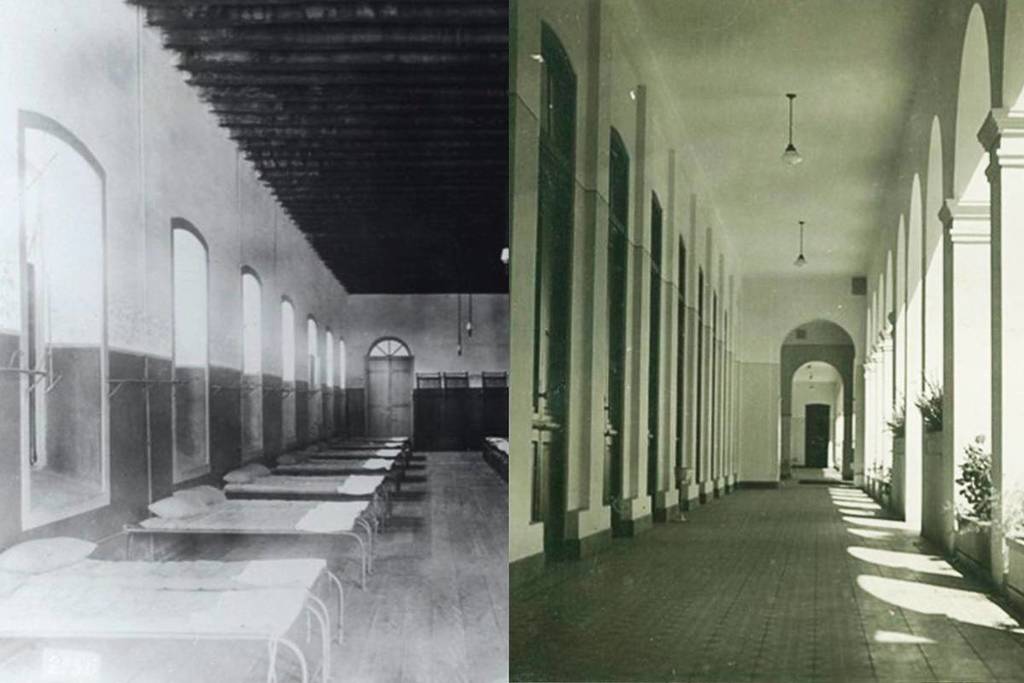
The hostel building served as a major center for receiving, welcoming, and referring foreigners and Brazilians between the 19th and 20th centuries .
Opened in 1888, the hostel was the first home for many foreigners in Brazil. Upon arrival, they underwent screening, registration, and medical examinations, and received assistance with their documentation. They were then sent to coffee farms or construction sites that required their services.
Thus, all of this operated under the subsidized immigration law, which brought in workers to replace and meet the demand left by the abolition of slavery. In addition, the hostel provided lodging and offered services such as a telegraph office and a post office.
The “undead” of the inn
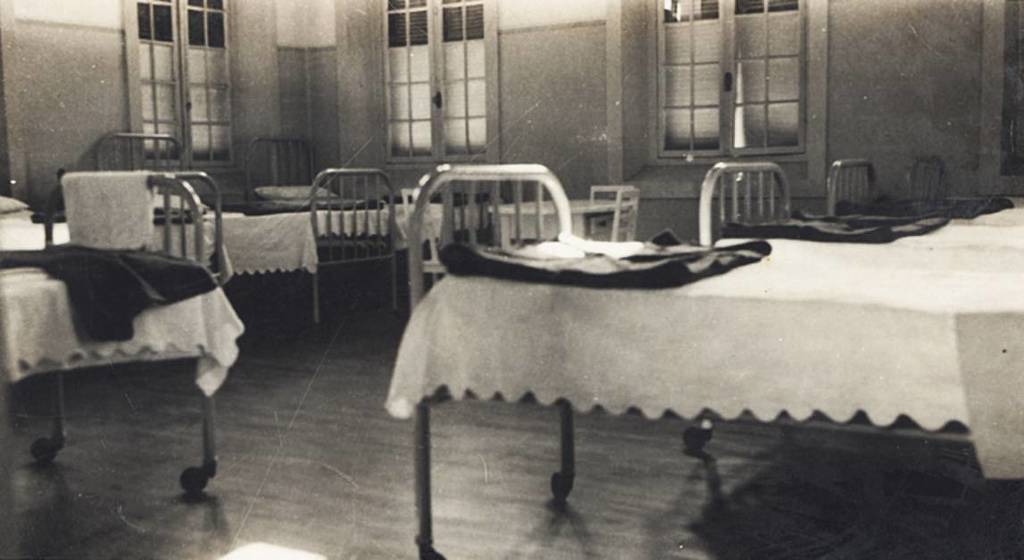
A true story from 1918 fueled a rumor about the existence of aPortuguese “living dead.” The immigrant, whose name is unknown, sought medical care at the hospital located in the hostel, which was experiencing high demand.
Due to a lack of beds, the man was discharged two days after being admitted. With no money, he decided to walk on his own to the city center. However, sick and weak, he ended up on the street and unfortunately passed away hours later.
In short, due to social vulnerability, the city had many immigrants affected by the Spanish flu epidemic. With hospitals overcrowded, the hostel was used as a temporaryhospital for those stricken with the flu. This made the Brás immigrant hostel one of the symbols of the emergency efforts against the epidemic.
How to visit the Immigration Museum
The museum is located near the Bresser-Mooca station, at Rua Visconde de Parnaíba, 1316. It is open Tuesday through Saturday from 9 a.m. to 6 p.m. and Sundays from 10 a.m. to 6 p.m., with tickets starting at R$ 8.
In fact, by purchasing a separate ticket, visitors can also take a steam train ride on weekends. Tickets start at R$ 20 per person, and the trip lasts about 30 minutes.