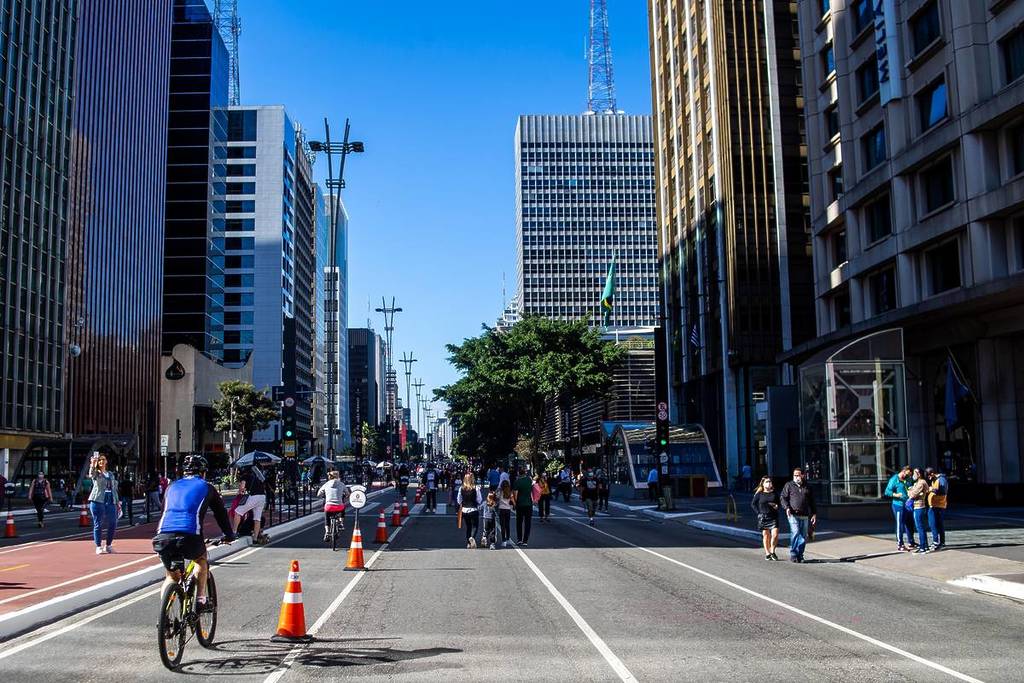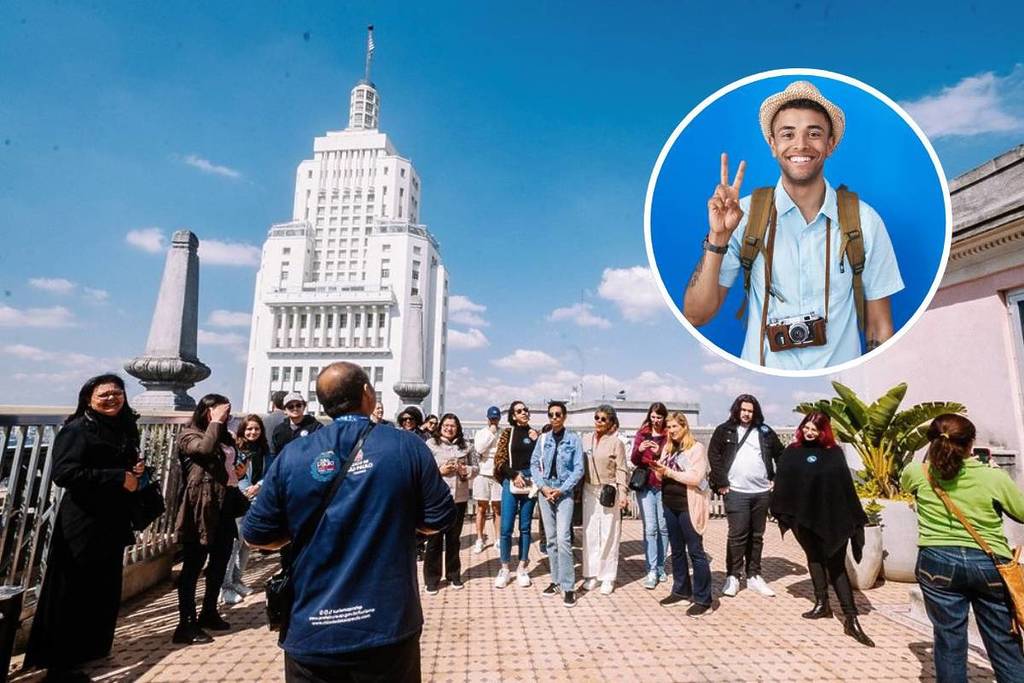

São Paulo is a melting pot of peoples and cultures, where people from all corners of the world live side by side every day. When visiting iconic spots, such as Liberdade or Beco do Batman, the impression is that the city is always teeming with “foreigners.”
However, a recent survey by DiscoverCars ranked the capital of São Paulo as one of the cities with the lowest concentration of foreign tourists compared to its total population, revealing a curious facet of tourism in São Paulo.
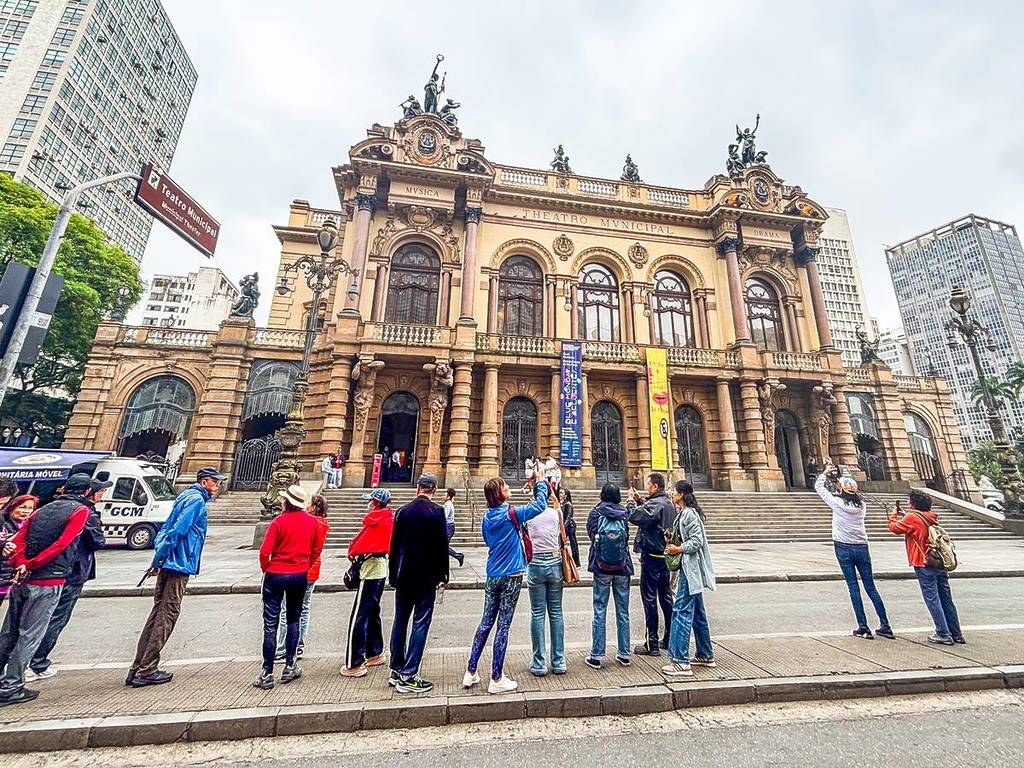
One foreigner for every ten São Paulo residents
The survey is based on data from Euromonitor’s “Top 100 City Destinations 2025” report ( ), cross-referencing the number of international arrivals with the population of each destination. Thus, the “ ” index of “tourists per 100 inhabitants” allows us to identify which destinations suffer from overcrowding and which have a more discreet tourist presence.
Currently, São Paulo ranks third among the cities with the least tourist influence, with a ratio of just 10 foreign visitors for every 100 residents.
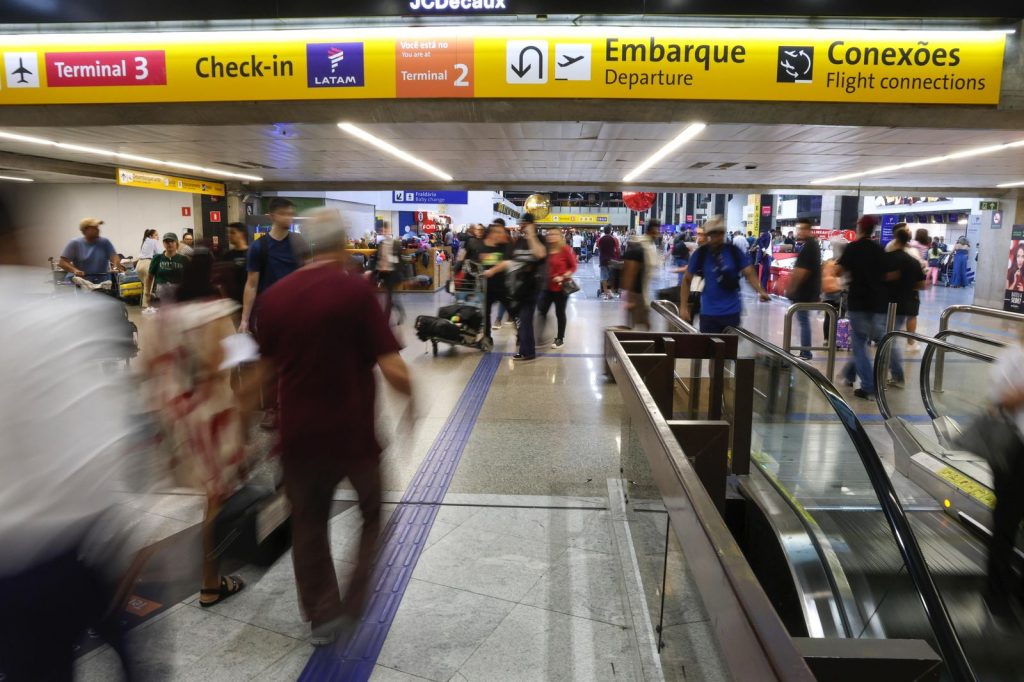
Why does the capital of São Paulo appear to have “few” tourists?
The survey estimates that São Paulo received approximately 3.2 million international tourists in 2025. However, data from the São Paulo state government is more modest:official estimates point to 2.5 million foreign visitors last year .
Since Greater São Paulo is home to nearly 23 million inhabitants, the massive population ends up “diluting” the perception of this temporary influx of visitors. In practice, this shows that foreign tourists go more unnoticed among São Paulo residents, unlike in cities that, although they receive fewer tourists in absolute numbers, are small and quickly become overcrowded.
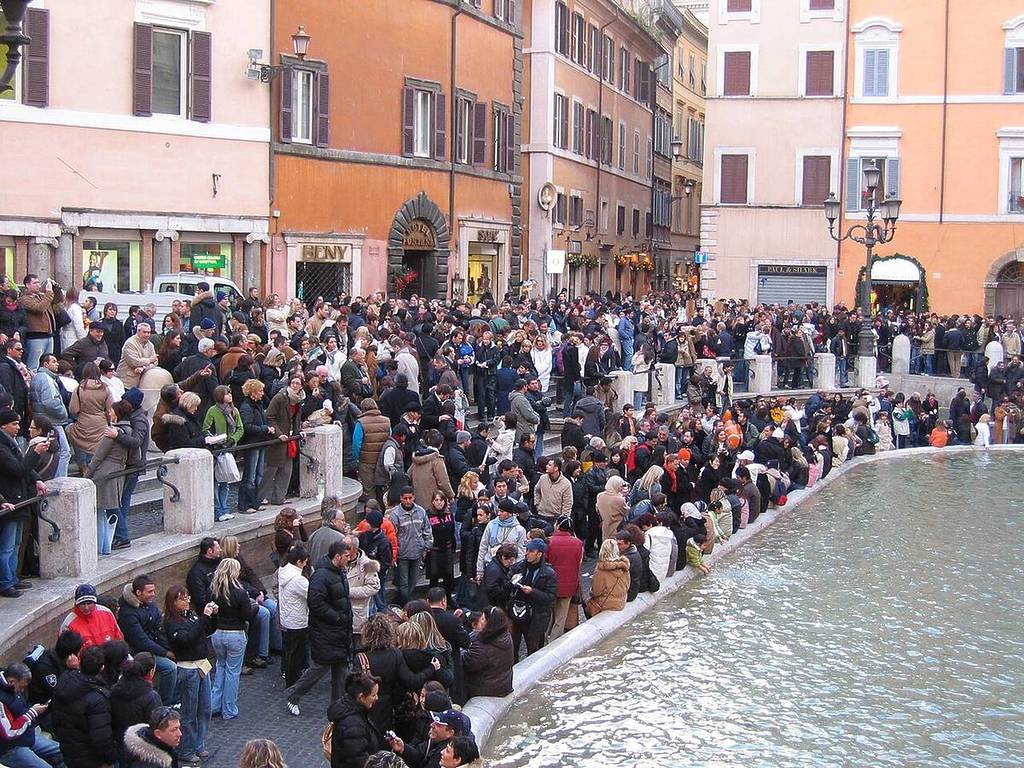
Mass tourism and São Paulo’s infrastructure
The DiscoverCars study measures the “tourist pressure” on a destination, not its popularity. The goal is to highlight places that suffer from mass tourism, also known as overtourism, which can worsen residents’ quality of life.
It is important to note, however, that the ranking focuses only on foreigners. If we consider the 47.2 million total tourists (including Brazilians) who visited São Paulo in 2025, the number rises to 224 visitors per 100 São Paulo residents. But, unlike smaller destinations, São Paulo’s infrastructure can handle this volume without significantly disrupting local life.
The capital, for example, has the largest hotel chain in Latin America, accounting for 20% of Brazil’s total supply. Furthermore, São Paulo’s vast territorial expanse allows visitors to spread out across the city, rather than crowding just a few major tourist spots.