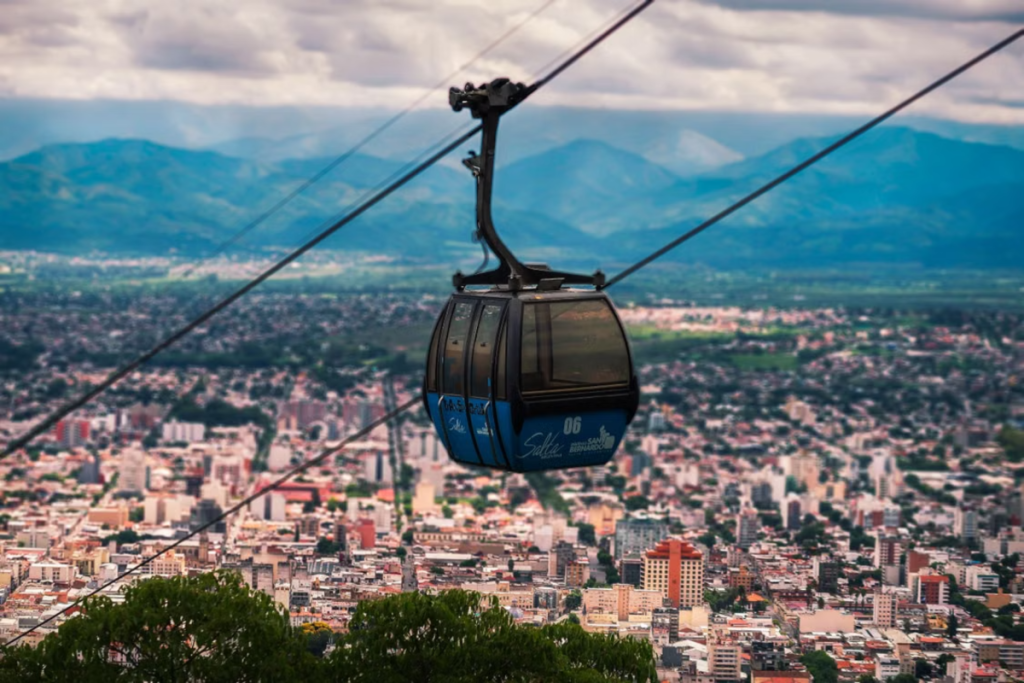

It may seem strange, but the idea of using cable cars as public transportation in São Paulo has been under consideration since 2012 and is already a reality in other cities!
Still in the planning phase, the goal is for the lines to serve the districts of Brasilândia, in the northern part of the capital, and Jabaquara, in the southern part.
The technical proposals were prepared by SP Urbanismo and SPTrans, but there are still no concrete estimates regarding the total cost of the construction work.
Based on the current plans, however, there are two main scenarios: The first involves the most extensive route in Brasilândia combined with the one in Jabaquara, totaling 18 stations, 15.2 km, and an estimated investment of approximately R$ 2.95 billion.
The second scenario, on the other hand, involves the shorter route, with 9 stations, a length of 5.9 km, and an estimated cost of approximately R$ 1.166 billion.
Where are the cable cars expected to operate?
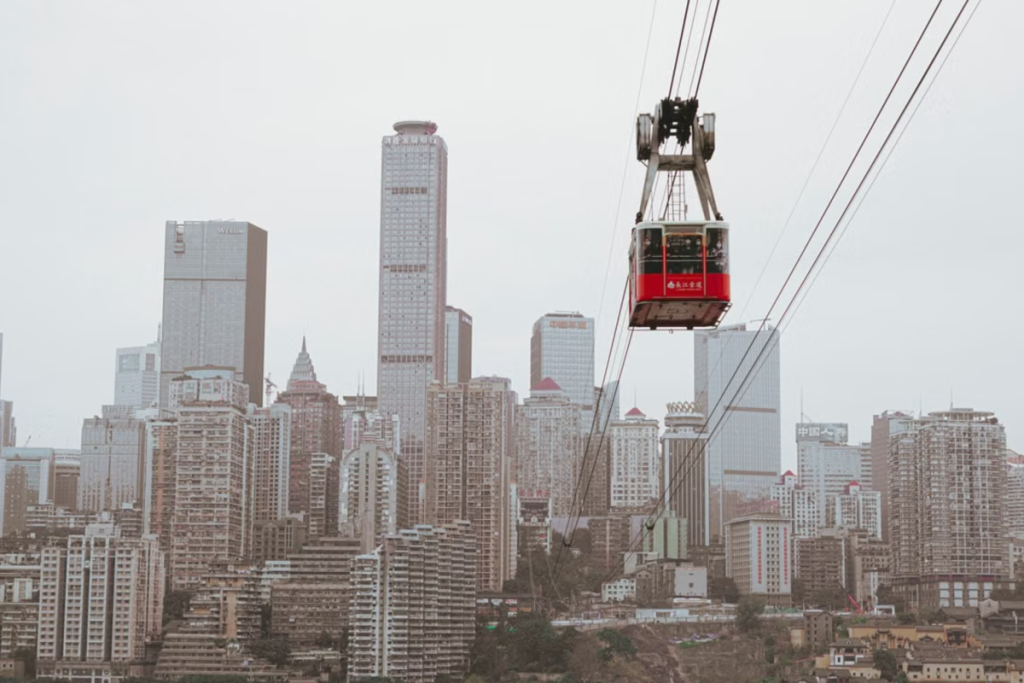
Brasilândia: Both proposals use CEU Paz and the area surrounding the future Line 6–Orange station as reference points.
The main difference lies in the scope. SPTrans suggests a shorter, more direct route, with two intermediate stations and an estimated 2,010 boardings per hour. SP Urbanismo, on the other hand, envisions a larger network, implemented in phases and extended to neighboring neighborhoods.
SP Urbanismo’s plan also aims to integrate transportation with localized urban interventions, including a cultural center, community gardens, and health clinics. The estimate for this model is 3,480 boardings per hour and a total travel time of 32 minutes.
Jabaquara: The route includes five stops between the Jabaquara Terminal and Jardim São Savério.
The proposal includes strategic connection points: the Jabaquara Terminal, the Brazilian Paralympic Center, the São Paulo Zoo and its nearby facilities, Cursino Avenue, and, finally, Jardim São Savério.
According to the studies, the line will connect directly with Metro Line 1 (Blue) at the Jabaquara station. The goal for the region is also to enable integration of the cable car with the ABD Metropolitan Corridor and other municipal and intercity bus lines.
Where is the service already in use?
This mode of transportation already operates as regular mass transit in various parts of the world, and not merely as a tourist attraction. Cities such as Medellín, in Colombia, and La Paz/El Alto, in Bolivia, use systems designed for daily commuting that are perfectly comparable to the situation in São Paulo.
In fact, Rio de Janeiro also had the Alemão Cable Car, which opened in 2011 and has been suspended since 2016.
The technical model presented for São Paulo is the detachable single-cable cable car. This system features cabins for up to 15 passengers, operating at an average speed of about 20 km/h.
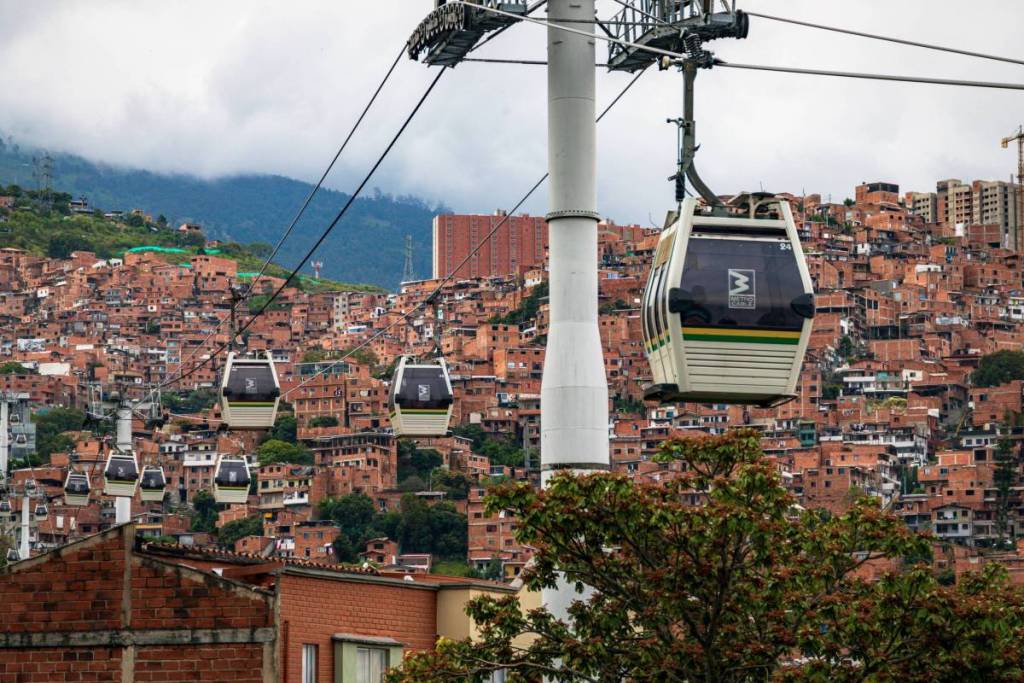
During boarding and alighting, the cabin slows down as it enters the station and resumes its normal operating speed upon returning to the cables. Overall, this technology operates safely when supported by a sound design, frequent maintenance, and continuous weather monitoring.
In addition, the operation requires an efficient evacuation plan for potential emergencies, since factors such as power outages, strong winds, or severe storms may necessitate reducing speed or temporarily suspending service.
Although the technical plans outline well-defined structures, crucial information for São Paulo passengers has not yet been disclosed: fare prices, connections with the Metro and SPTrans buses, and operating hours.