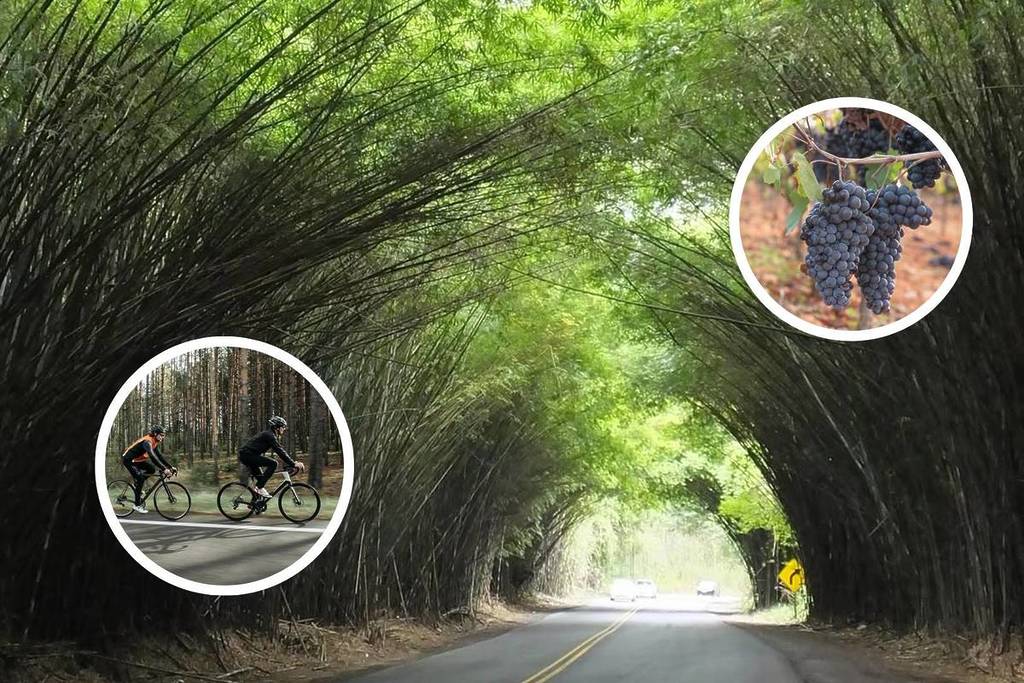

A small health resort located in the interior of São Paulo, Morungaba is part of the Fruit Circuit and offers a variety of tourist options featuring artisanal fruit and candy production. In addition, it has a strong rural and adventure tourism sector , with nature-based activities as one of its main attractions.
The town, with about 14,000 inhabitants, has the peaceful atmosphere of a small town. It was designated a health resort due to its good air quality and natural environment conducive to leisure and relaxation. Therefore, it is a great destination for those who want to escape the chaos of the big city.
The original settlement dates back to the 19th century, in the Sertão de Manducava region, centered around a chapel dedicated to Our Lady of the Conception. It was initially called Conceição da Barra Mansa.
Renamed in 1919, the name Morungaba comes from the Tupi word for “beehive” or “place with many bees.” This, in turn, reflects the region’s strong tradition of beekeeping.
“Capital of Two Wheels”
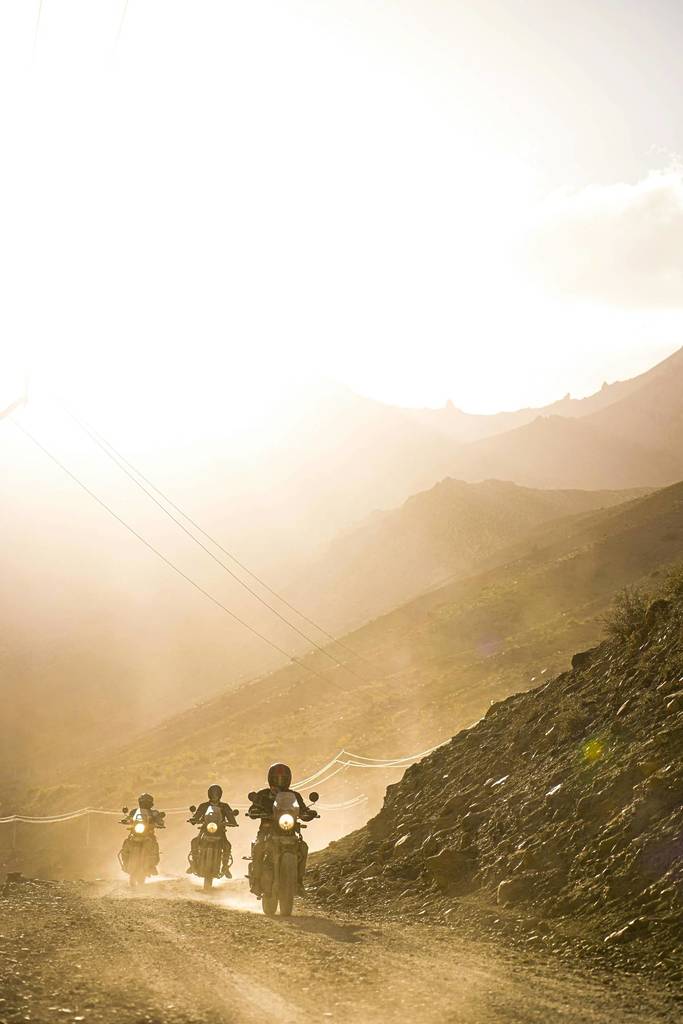
Currently, in addition to fruit farming and beekeeping, Morungaba is also known for having more than 70 trails for mountain bikers, cyclists, and motorcyclists.
The mountainous terrain and the extensive network of rural roads drive demand for this type of tourism. However, despite its strong public appeal, this is not yet an official designation, serving merely as a marketing tool for the local area.
In addition to welcoming a large number of cyclists of all skill levels, the city also hosts specialized events. It hosts stages of the Tour da Roça, the country’s largest cycling tourism circuit. In its first edition, the event brought together around 1,000 cyclists, and the city welcomed 2,000 visitors during the competitions.
The bamboo tunnel
One of Morungaba’s current postcard attractions, the famous bamboo tunnel often catches the eye of those arriving in the city via the road in the Serra das Cabras region.
It is a natural formation of bamboo that has bent on both sides, forming an arch—or tunnel, as it is also known. Cycling once again helps boost the city, as the spot became famous because cyclists take photos there.
To take photos with the “effect” created by the bamboo, the best time is when the sun is low. The bamboo filters the light and gives the impression that the corridor turns green when this happens.
What to do in Morungaba?
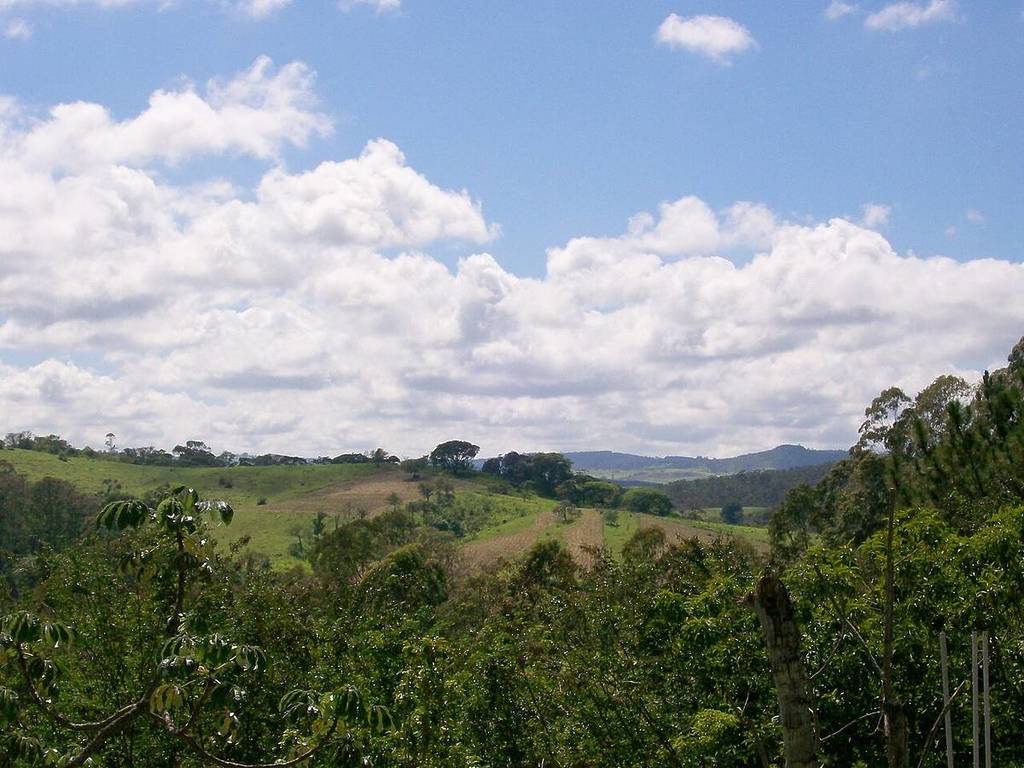
Still following the concept of ecotourism, the Morungaba region features the Serra das Cabras, which is well worth a visit! It offers nature trails, bird-watching spots , and lookouts scattered along the way.
In addition, you can also visit the city’s Ecological Park. The Pedro Mineiro Ecological Park is the region’s main green space, featuring a lake, waterfalls, and native forest, making it ideal for hiking. It is open on Wednesdays, Sundays, and holidays from 8 a.m. to 6 p.m., with free admission.
On the other hand, the city also hosts activities related to the Fruit Trail. These include visits to farms producing figs , passion fruit, grapes, and coffee. There are also shops where you can purchase handmade products.
For those who enjoy browsing, the Handicrafts Square is a great option. Located in Pedro de Camargo Neto Square, the market currently has about 19 vendors. It features a variety of crocheted items, MDF pieces, paintings, and other decorative items. It is open on weekends and holidays, from 9 a.m. to 5 p.m.