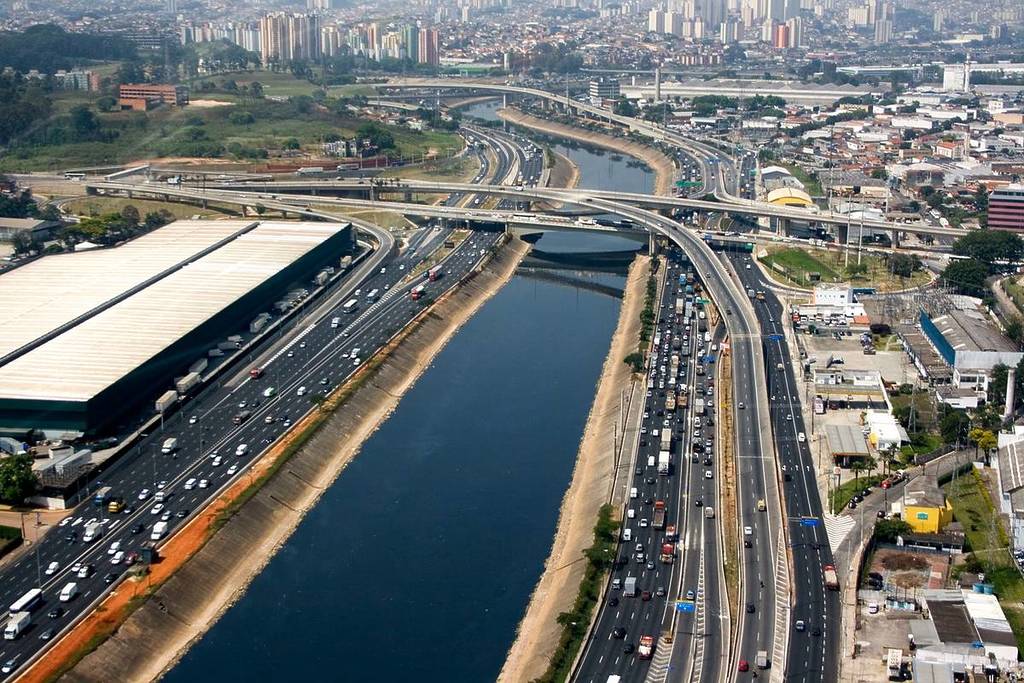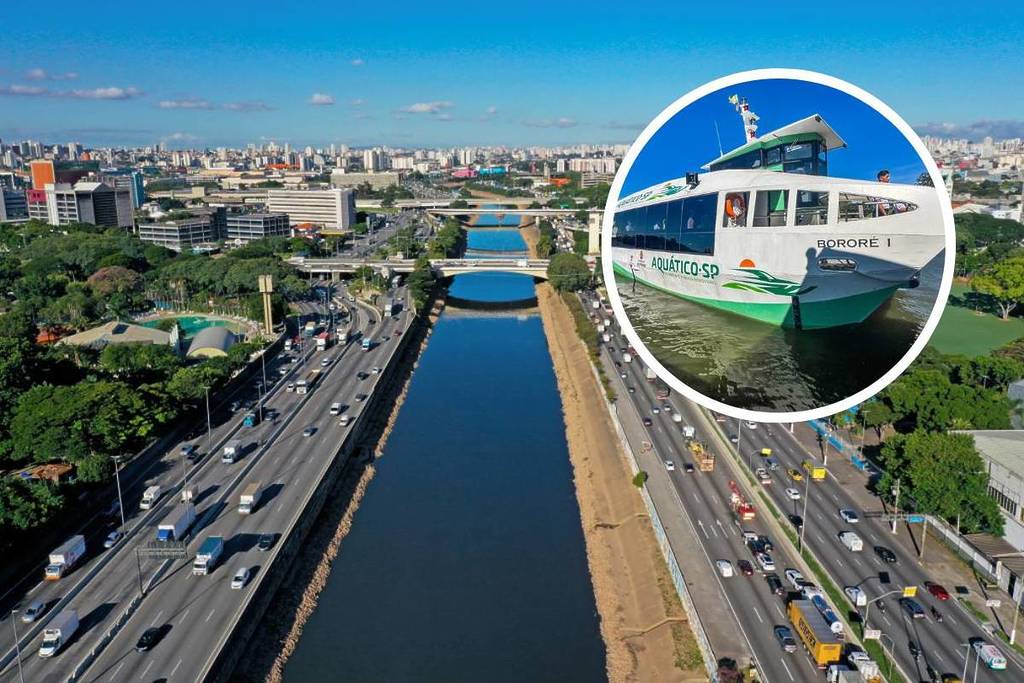

The idea of navigating the Tietê River doesn’t sound very appealing these days, at least not on the stretch that runs through the capital. In the future, however, that impression may change. That’s because an ambitious city government project proposes implementing a waterway transportation system in São Paulo, transforming the capital’s rivers and reservoirs into mobility corridors.
The initiative took its first steps in 2024 with the inauguration of Aquático SP at Billings Reservoir. The new mode of transport allowed the public to travel between the Mar Paulista and Parque Linear Cantinho terminals in just 17 minutes —a journey that, by land, could take up to 2 hours.
In just a few years, waterway transportation at Billings has served over 1 million people and maintains an approval rating above 90%. Will we soon see the same thing happen on the waters of the Tietê?

Planning and expansion: São Paulo could have an “aquatic metro” by 2054
The Municipal Waterway Plan (PlanHidro SP), also known as the “water metro, ” aims to transform the city’s waterways into true avenues. The timeline calls for consolidating operations at the Billings and Guarapiranga reservoirs by 2031, featuring eco-ports and connections to bus, train, and metro systems.
In the long term, the goal is to expand the system to the Pinheiros and Tietê rivers. Both require more complex planning, as they must firstbe environmentally restored.
The proposal calls for the Pinheiros River to receive its first passenger vessels in approximately ten years. The project is expected to be completed in 2054, the year the capital will celebrate its 500th anniversary. The intention is that, by then, the Tietê River will be ready to accommodate waterway transportation and integrate into São Paulo’s transportation network.