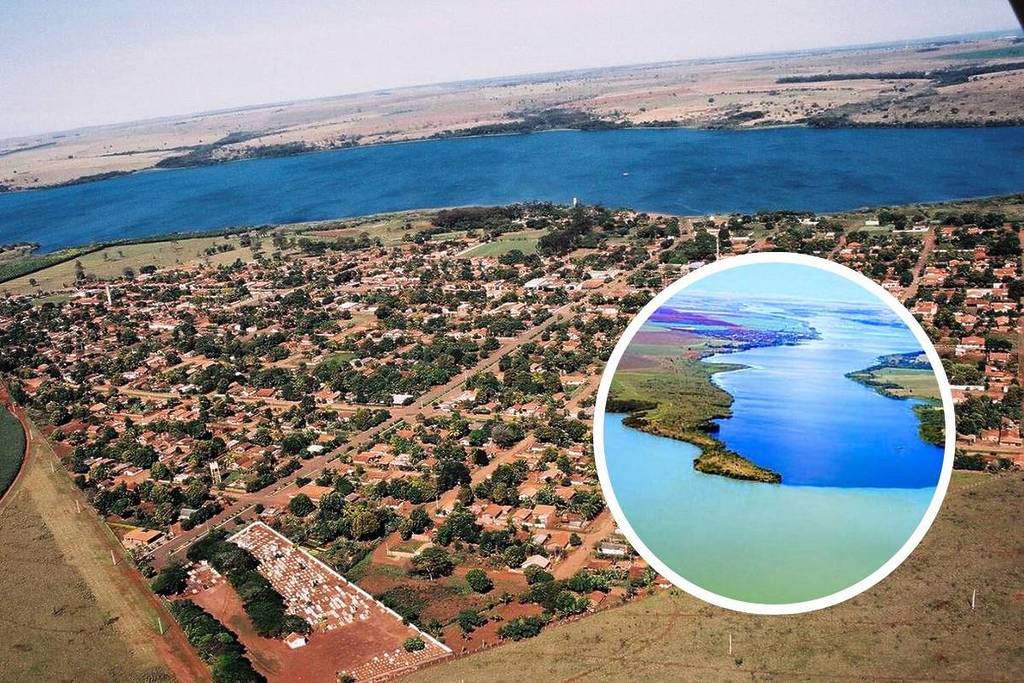
Itapura is the perfect destination to discover the Tietê River in a totally different way, far from the clichés of the capital. Despite the degradation we see in São Paulo, the state’s most famous waterway takes on a different character when it reaches the interior: after rising in Salesópolis and crossing more than 1,100 kilometers, the river ends in Itapura, on the border with Mato Grosso do Sul.
The city is 670 kilometers from the capital, but its beautiful scenery makes up for the distance: clean waters, preserved forests, and rich fauna, full of fish and birds. Thus, Itapura is a must-see for those who want to explore the interior of São Paulo and, at the same time, enjoy nautical tourism and diving experiences that are still little known to the public.
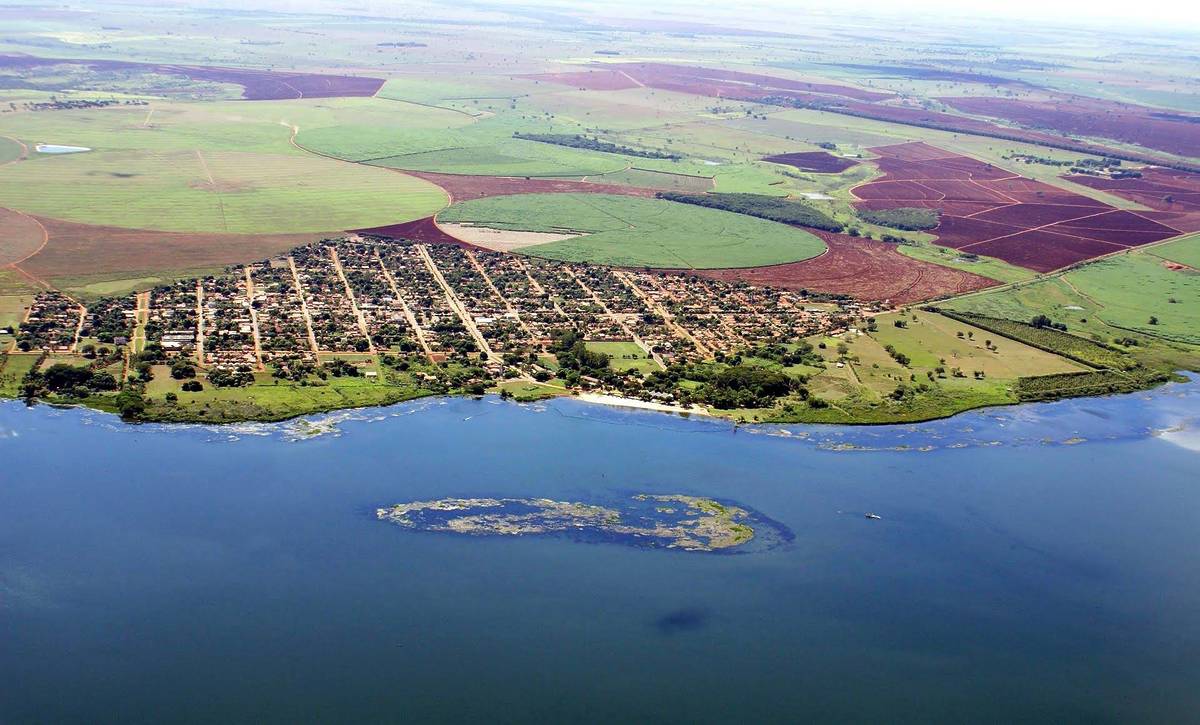 Photo: Reproduction/Facebook/Itapura City Hall
The village emerged in the midst of the Paraguayan War
The history of the municipality begins in 1858, when the Brazilian Empire created the Military Colony of Itapura. Its strategic position at the mouth of the Tietê River, close to the Paraná River and the Paraguayan border, was intended to protect the national territory, especially during the Paraguayan War (1864-1870).
The location also stood out for another reason: it was home to the Itapura and Urubupungá waterfalls , large waterfalls on the Tietê River that acted as natural barriers and helped control river traffic. Thus, Itapura grew up in a military setting, with a strong influence from the waterways.
Everything changed in the 1960s with the construction of the Jupiá Hydroelectric Plant. The construction work caused part of the Itapura territory to be submerged, including the old village and the waterfalls that embellished the landscape. A new city then emerged , while the old village became a historic diving spot.
What to do in Itapura: mouth of the Tietê River, diving, and shipwrecks
Today, Itapura is a haven of nature and adventure in the interior of São Paulo. The municipality is part of the “Pantanal Paulista” and offers activities such as sport fishing, refreshing baths in waterfalls, and toucan, macaw, and heron watching.
The city also offers one of the most intriguing underwater tourism itineraries in São Paulo. In the lakes of the Jupiá Power Plant, it is possible to visit the ruins of houses and the Eloy Chaves hydroelectric plant, as well as the submerged waterfalls.
The highlight, however, is the Tamandathay steamship, purchased by Dom Pedro II in 1860. The military vessel sank near the mouth of the Tietê River in 1883 and now rests at a depth of 20 meters. Its ruins are part of the region’s diving itineraries, allowing tourists to explore an authentic historical shipwreck.