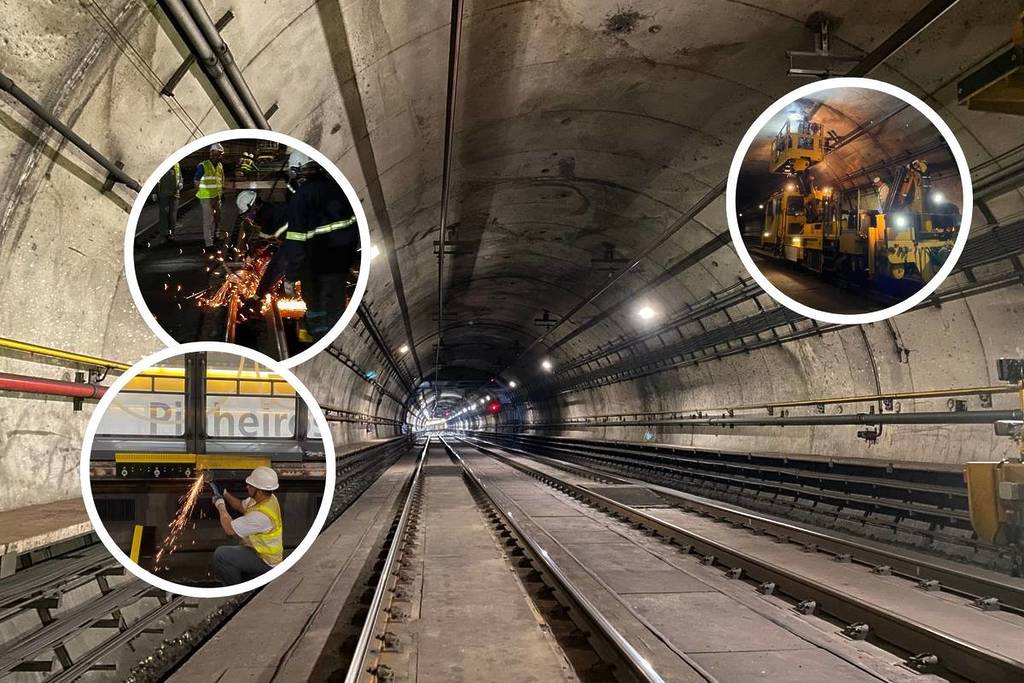
While the city sleeps, São Paulo’s underground remains in full swing. Many people don’t realize that, during the early morning hours, a real race against time takes place to ensure the Metro is ready for millions of passengers right at the start of the day.
Our team visited Line 4-Yellow, operated by ViaQuatro. To give you an idea, on this section of track alone, there are about 400 professionals working on the Metro’s nightly maintenance.
The invisible race that takes place during the São Paulo Metro’s nightly maintenance
Many passengers imagine that the closing of the turnstiles at midnight (on weekdays) marks the end of activities in the tunnels. The reality is quite different. That’s because the end of the business day signals the start of a high-speed mission. After all, as soon as the last trains finish their commercial operation, a true “invisible army” springs into action.
The window for repairs is short. Since the last cars are taken to maintenance centers around 1 a.m., technicians have about three hours of effective work time on site. They move through the dim light equipped with flashlights, replacing signaling equipment, adjusting sleepers, and ensuring the complex electrical network functions properly.
One of the strategic hubs of this operation is the Jabaquara Yard, the point from which the first official train departed during the network’s inauguration in 1974. To this day, the site remains one of the major logistical hubs for housing and organizing these heavy operations in the dead of night.
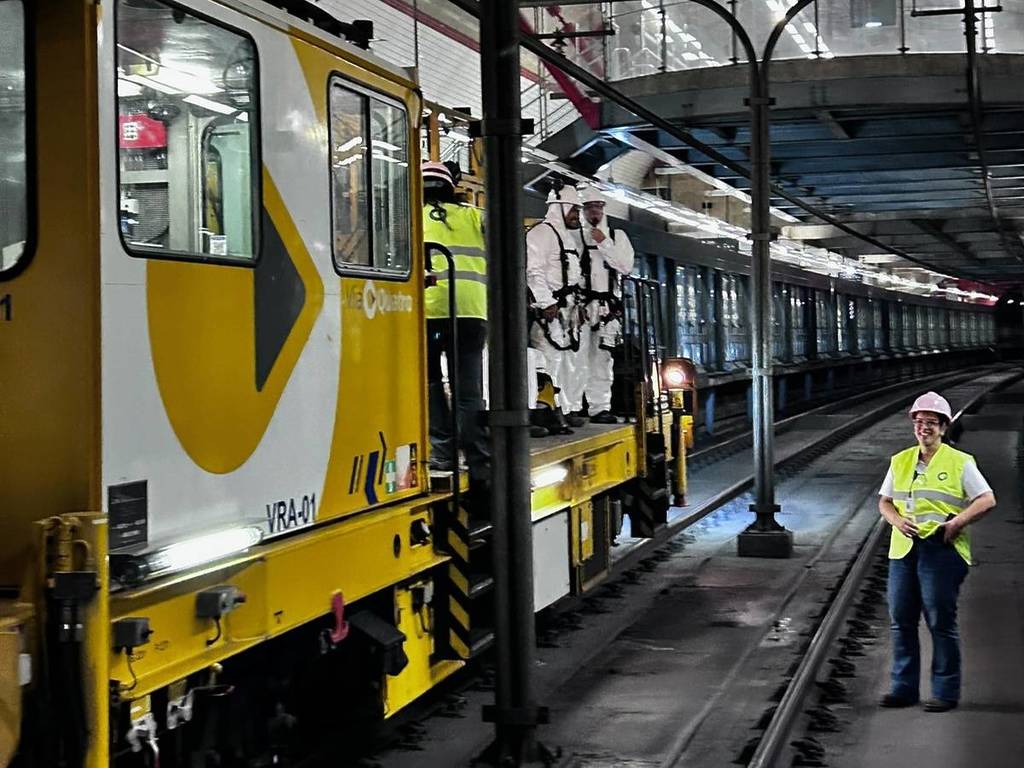 Photo: Mariana Prates/São Paulo Secreto
Extreme precision until dawn
There is simply no margin for error. Even before dawn, the entire system must be cleared for operation. That is why, every day, stations reopen around 4:40 a.m., with tracks already inspected and equipment fully operational.
For those entering the Metro at this hour, the experience seems seamless. But just a few hours earlier, there was intense and highly coordinated work to ensure everything was ready.
Hundreds of professionals work every night to ensure the city’s mobility doesn’t stop. Without this continuous maintenance, the system’s operation would quickly be compromised.
Ultimately, the São Paulo Metro never truly stops. It simply shifts gears, with people working behind the scenes so that, by dawn, everything is back up and running as if nothing had happened.
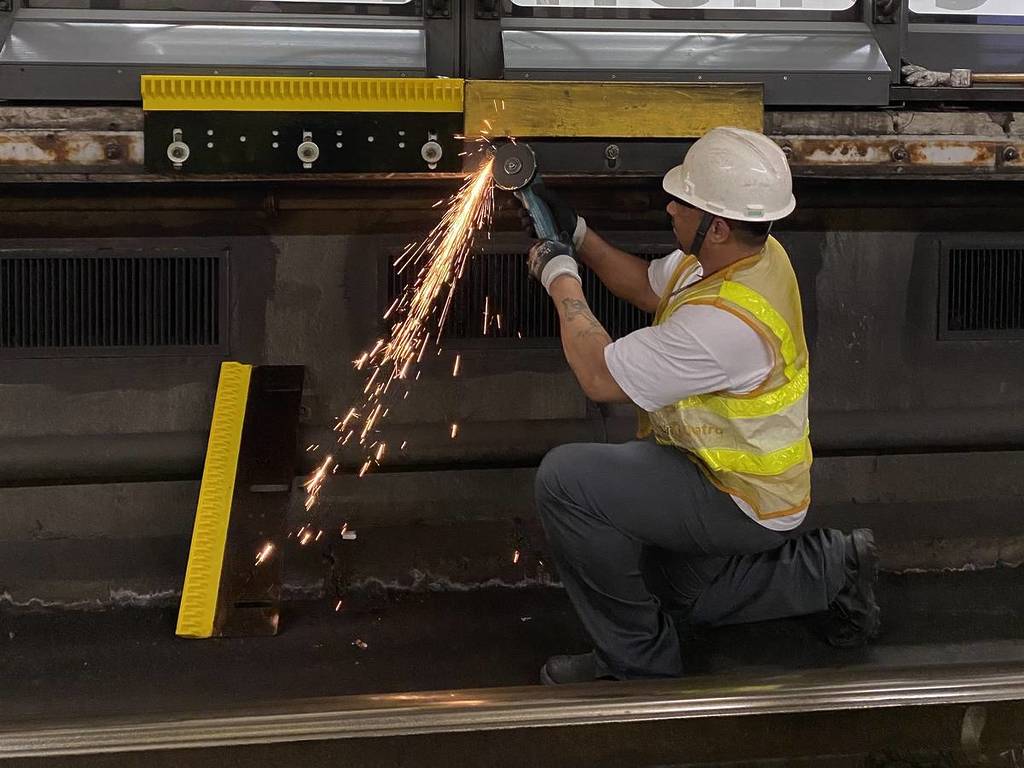 Photo: Mariana Prates/São Paulo Secreto