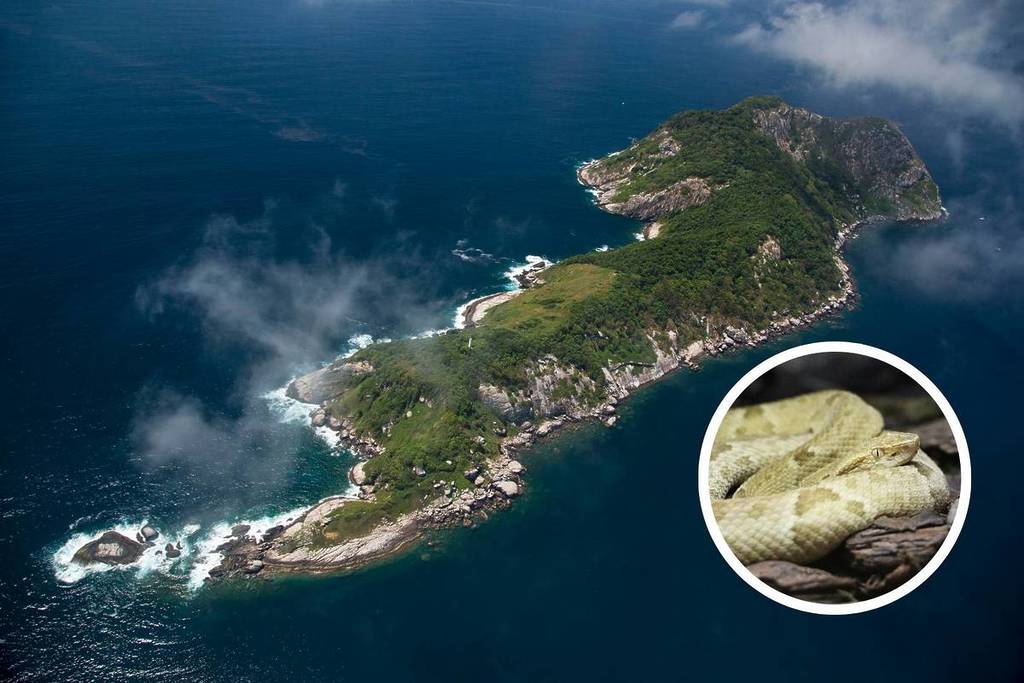

Ilha da Queimada Grande holds the title for the second-highest density of snakes in the world, behind only Shedao Island in China. This fact has earned it the nickname “Snake Island.” The 430,000-square-meter territory is located on the southern coast of São Paulo and serves as a true “snakesanctuary.”
The site, located 35 kilometers from the coast, is part of the Cananéia-Iguape-Peruíbe Environmental Protection Area, and public access is not permitted. For safety and conservation reasons, only authorized personnel may enter, such as researchers or the Brazilian Navy.
It takes years of academic training in biology and a great deal of courage to set foot on this ground.
History and mysteries of Ilha da Queimada Grande
Its earliest records come from Martim Afonso de Souza, a Portuguese soldier and explorer . It was 1532, and sailors used to set fire to the places they passed through to “ward off bad luck” before departing. A few years later, the navy continued the practice, this time with the intention of trying to exterminate the snakes. This fact ultimately gave rise to the name Ilha da Queimada Grande.
Another local curiosity are the historic shipwrecks dating back to 1893 and 1933. The remains are still visible in the crystal-clear waters, making it a popular spot for diving.
Although it seems impossible today, humans once inhabited our natural snake sanctuary. In the late 19th century, the army installed a lighthouse that was maintained by resident lighthouse keepers for 14 years. The system became automated in 1925, eliminating the need for on-site labor.
The period was productive for science. Lighthouse keeper Antônio Esperidião da Silva was responsible for collecting specimens of the local fauna. The samples sent to the Butantan Institute enabled fundamental studies on the species living in the region.
Discover the unique fauna of Snake Island
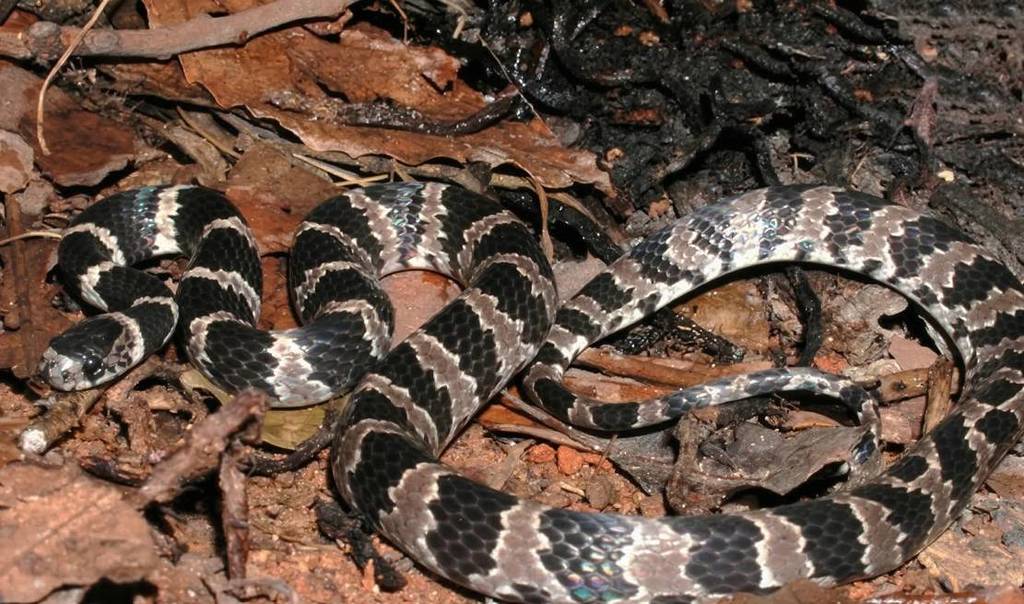
Although there are more than 3,000 individuals, the island is home to only two resident snake species : the dormideira and the famous jararaca-ilhoa. The ecosystem is complemented by two species of lizards, two species of amphibians, and various birds, both resident and migratory. As a result, the region holds immeasurable ecological value for our natural heritage.
It is impossible to talk about snakes without delving into the main protagonist: the Jararaca-Ilhoa. This is a species exclusive to the island, considered one of the most lethal snakes in existence. Its venom can kill a human in just six hours. It has also developed a unique hunting ability to adapt to the isolated environment of the Atlantic Forest, which involves climbing trees to hunt birds.