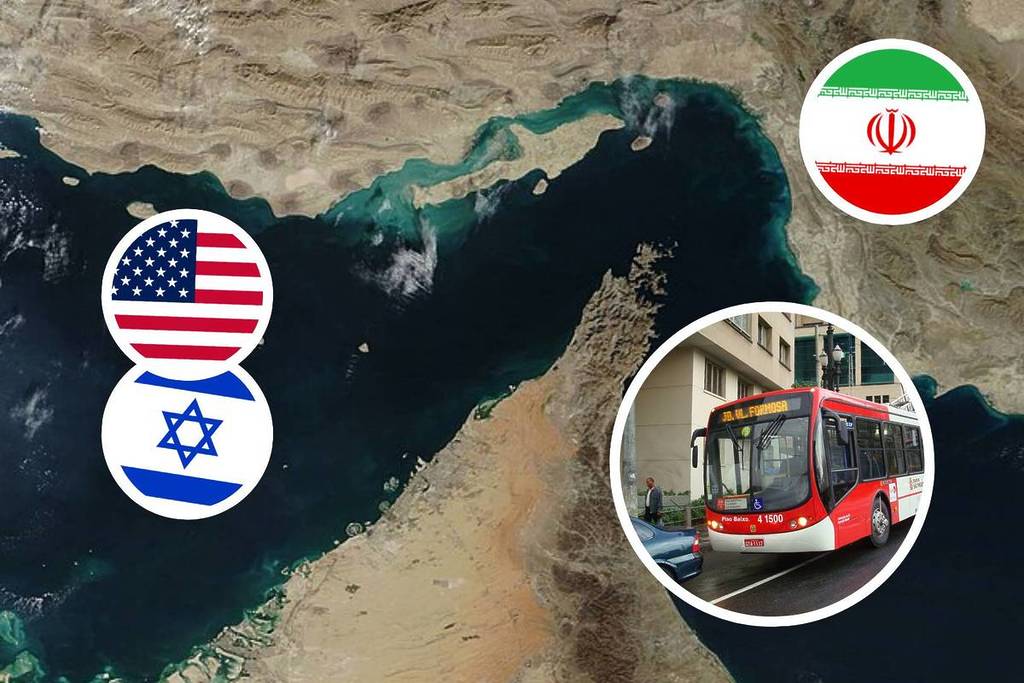

Since late 2025, the conflict between Israel, the United States, and Iran has been growing in scale. It is directly affecting shipping routes and the oil market. This is particularly true of the Strait of Hormuz region, which connects the Persian Gulf, the Gulf of Oman, and the Arabian Sea.
Under Iran’s control, the Strait of Hormuz is now at the center of the conflict between the three countries. It is the subject of disputes because it is one of the most strategic points on the planet when it comes to the energy market. The route accounts for about 20% of the world’s oil.
The escalation of tension in recent weeks has resulted in restrictions on maritime traffic; in March, the Strait of Hormuz was blocked by the Iranian Revolutionary Guard. It currently operates only under “special conditions,” and access is denied or restricted to any ships belonging to allies of Israel or the United States.
The reduction of bus fleets due to diesel prices
As the primary economic asset and the safest one during times of geopolitical conflict, the dollar tends to rise. This directly affects the price of oil, as it is the main currency used in commoditytrading.
With the closure—even if only partial—of the Strait of Hormuz coupled with the rise of the dollar, the price per barrel tends to increase. This has an even greater impact on other currencies, such as the Brazilian real.
The municipal governments of Teresina, in Piauí, and São Leopoldo, in Rio Grande do Sul, have “temporarily” reduced their bus fleets due to rising fuel prices. In São Paulo, however, fleets are operating normally. A warning issued in March by the Federation of Transportation Companies expressed concern about the risk of having to implement similar reductions in the city.
Diesel, essential for bus operations, accounts for about 25% of the sector’s operating costs. The warning is a preliminary step before deciding to reduce the fleet. The goal is to draw the government’s attention to secure financial subsidies , intensify price monitoring, and negotiate with distributors.
Impacts on the lives of São Paulo residents
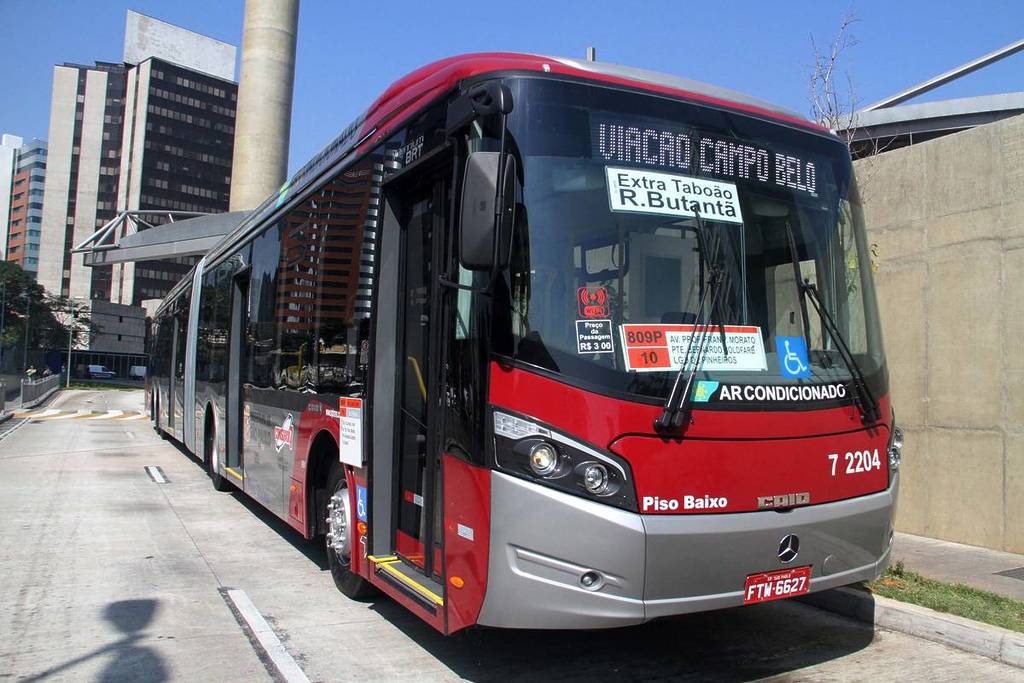
São Paulo currently has a fleet of over 13,000 buses in circulation. Together with trains and subways, they are responsible for transporting a very significant portion of the population, which depends exclusively on public transportation.
If São Paulo follows the path of Teresina and São Leopoldo and reduces its fleets, the impacts would directly affect passengers’ daily lives. The service is essential for getting to work, studying, accessing healthcare, and enjoying leisure activities.
The potential impacts are likely to affect the entire population. Traffic will increase if people opt for private transportation, replacing buses with their own cars or motorcycles. In addition to overcrowding, since fewer vehicles will be on the road, available buses will be more crowded and have longer wait times.
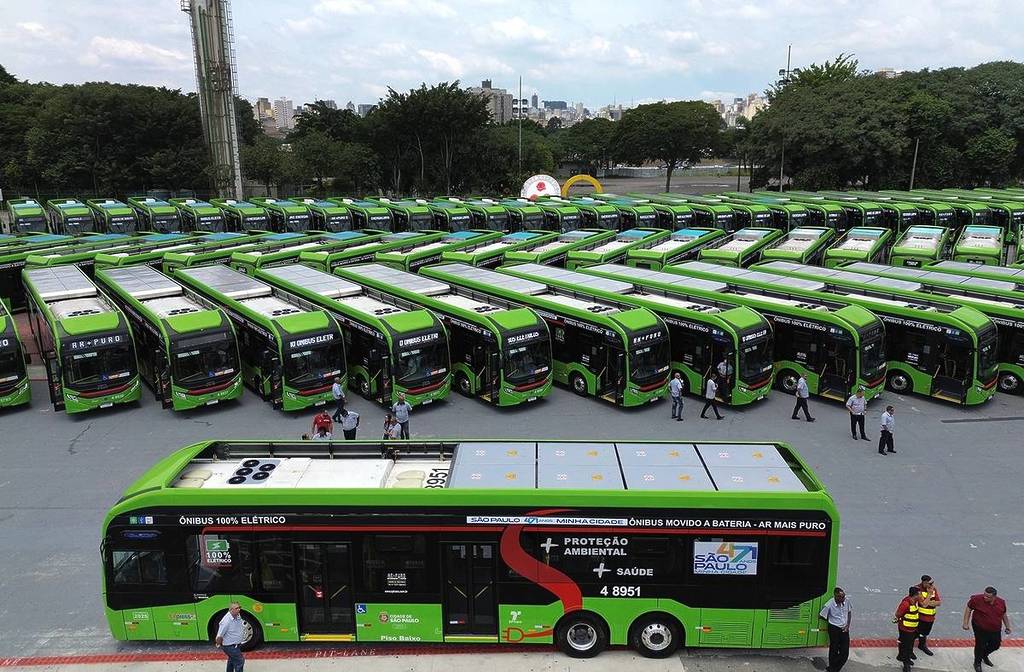
With a plan still in transition, the São Paulo City Government has been trying to reduce its dependence on diesel by expanding its fleet of electric vehicles. It currently has 1,259 vehicles. The initiative would save millions spent on fuel annually and also mitigate price adjustments. However, 95% of the city’s fleet is still diesel-powered.