Listening bars are becoming more and more fashionable in São Paulo, prioritizing the musical experience of the clientele. Following this wave, the city is now welcoming another launch: Formosa Hi-Fi, the new hotspot for lovers of good music.
The venue is located at Formosa Gallery a historic building that has been closed to the public for over 50 years. The underground passage, which was once Elis Regina’s rehearsal space in the 1970s, is now the new hotspot for music lovers in São Paulo. How about taking the weekend to see it?
Meet Formosa Hi-Fi, São Paulo’s new music temple
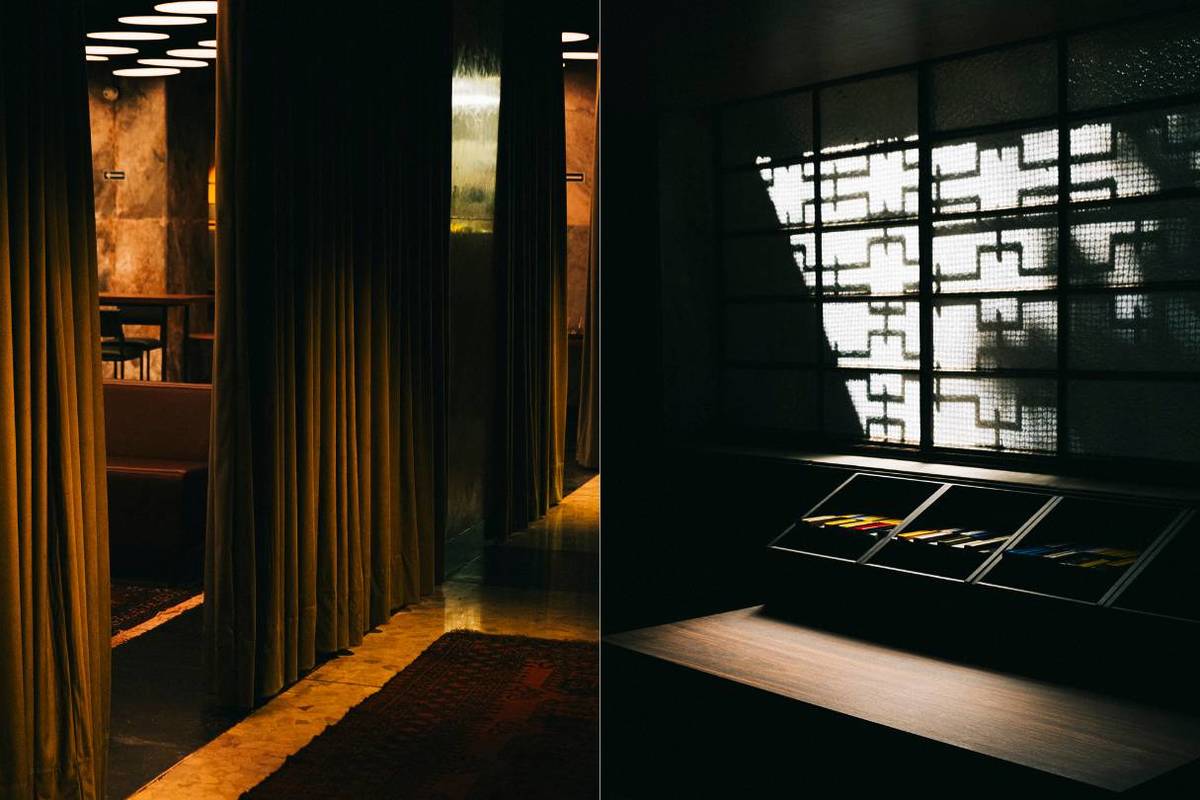
The premise of the new bar is to offer quality music in high definition. To this end, the acoustics of the venue are on a par with concert halls, with state-of-the-art sound systems. One of the architectural firms responsible for the project, Acústica & Sônica, was involved in the design of the Sala São Paulo and Lincoln Center in New York.
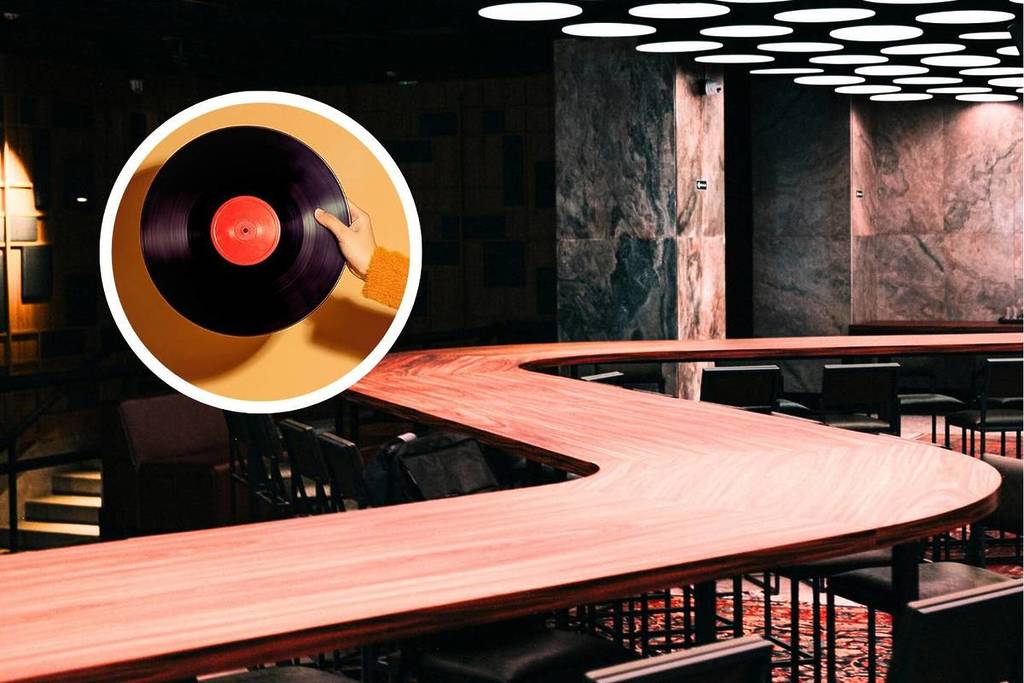
The listening bar will have a faithful reproduction of the sound of vinyl records, with the highest degree of purity. Customers will be able to enjoy music of the same quality as when it was recorded, in genres ranging from jazz and blues to samba and Brazilian music.
Finally, another difference at Formosa Hi-Fi will be the menu. The gastronomy, which takes ideas from writer Mário de Andrade that have never been written down, will have a concept that combines tradition and modernity. All this in the company of Michelly Rossi’s on-tap cocktails, a mixologist who is already famous in São Paulo.
How to find out?
Formosa HI-FI is in Galeria Formosa, just below the Viaduto do Chá. From July 31 to August 3, the bar opens its doors to a limited number of people, always from 7pm. All you have to do is book in advance via this link or join the queue in person, which will accommodate customers from 10pm, depending on how full the space is. More information here.
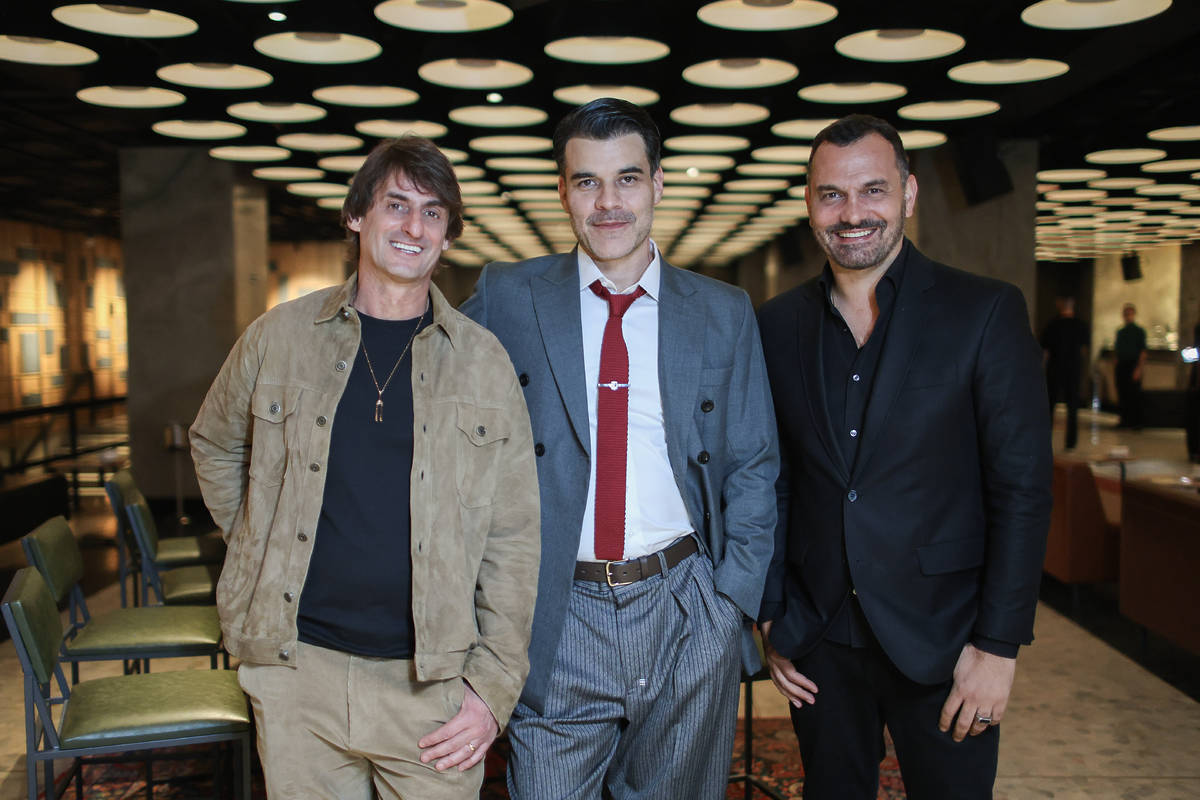
The venture is led by Ale Natacci, Alê Youssef and Facundo Guerra, all well-known names in São Paulo entertainment. After all, Facundo leads projects such as Love Cabaret and Cine Joia, while Natacci took part in the founding of Bloco Acadêmicos do Baixo Augusta and Youssef was São Paulo’s secretary of culture.