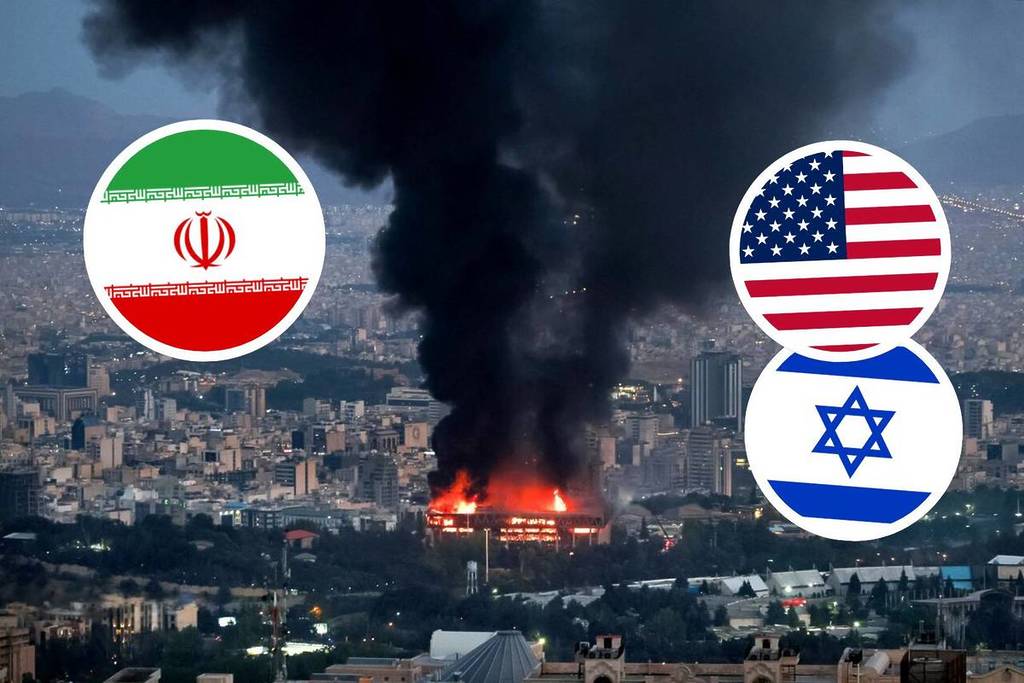

Itamaraty has issued alerts advising against travel to destinations in regions affected by recent geopolitical conflicts . This involves countries such as Israel, the United States, and Iran. Given the possibility of bombings, the risk of attacks, air route blockades, and the temporary suspension of consular services.
The joint military offensive by Israel and the United States against Iran and Iran’s counterattack have intensified international tensions. The Ministry of Foreign Affairs has begun to consider countries directly or indirectly related to the conflict as unsafe.
Which countries are subject to Itamaraty’s travel restrictions?
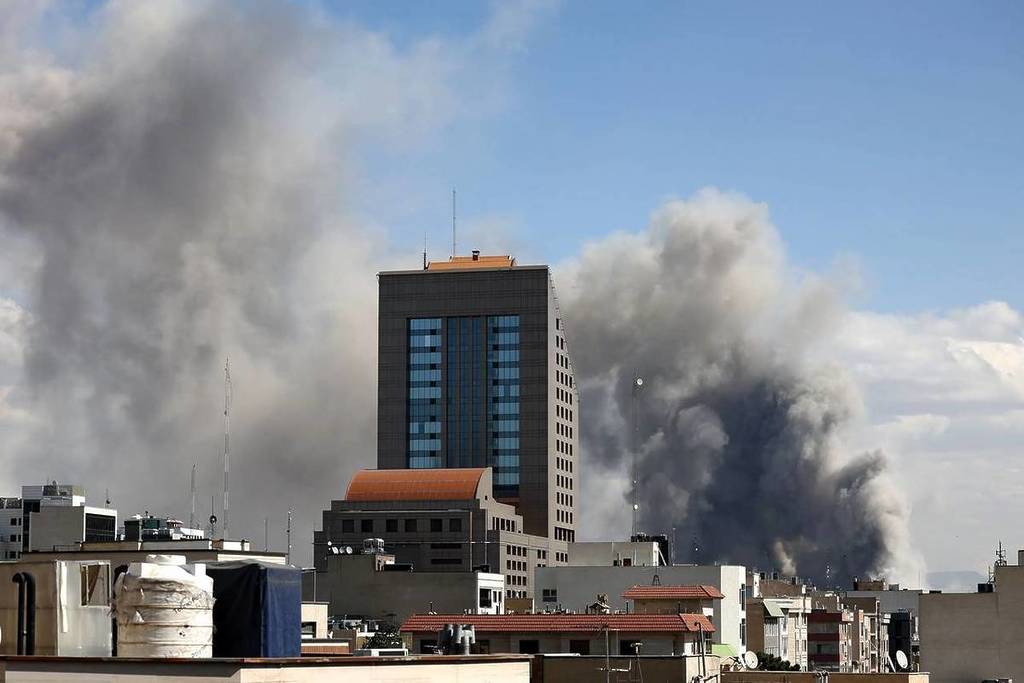
According to the announcement, Itamaraty recommends avoiding travel for tourism, leisure, or non-essential events to 11 countries in the Middle East:
Avoid entirely
Iran: It is one of the epicenters of the conflict. It has recently been the target of bombings by the United States and Israel. Its airspace is closed.
Israel: Activeconflicts in Gaza and on the northern front. Ben Gurion Airport is operating at minimal capacity. The region has been the target of Iranian missile attacks.
Iraq: U.S. military bases— —were attacked by Iran. Its airspace is closed, and the country faces domestic instability.
Syria: Facing internal conflicts and with its airspace closed.
Lebanon: A fragilecountry following recent conflicts, it still faces the risk of new attacks along its border with Israel.
Extreme caution
Qatar: One of its main airports, Hamad,was attacked. As a result, Qatar Airways suspended approximately 41% of its flights in the region.
Kuwait: Its airspaceis closed. It hosts U.S. military bases that have been targeted by Iranian attacks.
United Arab Emirates (including Dubai and Abu Dhabi): Recently suffered Iranian retaliation with drones and missiles. The luxury Burj Al Arab hotel and the international airport were damaged, causing the cancellation of 80,000 reservations.
Bahrain: Home to the headquarters of the U.S. Navy’s 5th Fleet, making it a strategic target for retaliation. Flights have been suspended in the region.
Jordan: Due to its geographical proximity, airspace is subject to restrictions. Additionally, there is a risk that the conflict between Israel and Iran could spread to the region.
Palestine: No security infrastructure for tourists. It is still an active war zone.
To date, there is no date set for the resumption of normal operations for the destinations mentioned. For Brazilians currently in the region, the advice is to exercise caution and avoid areas with military activity. Another tip is to follow local news outlets and the Ministry of Foreign Affairs’ official channel to stay informed and strictly follow the instructions of the authorities.
Affected flights in São Paulo
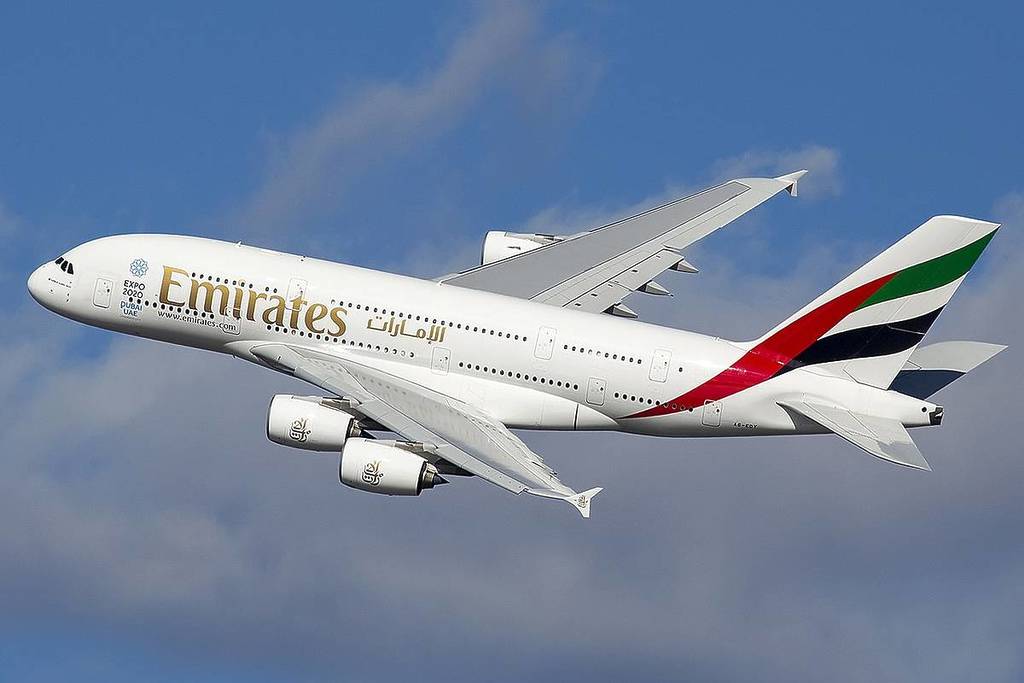
São Paulo is home to large Arab, Jewish, and Christian communities, and many passengers depart from Guarulhos and Congonhas airports for the destinations mentioned above. In the early days of the conflict, Guarulhos Airport recorded 36 flight cancellations operated by Qatar Airways and Emirates.
Two flights that took off from Guarulhos bound for Dubai and Doha had to return to Brazil mid-flight over the Atlantic.