
Have you ever wondered where the name of the Trianon-MASP station comes from? Many people associate the name with the neighboring park, but the story begins with the Belvedere Trianon, one of the most traditional gathering spots in old São Paulo. Tenente Siqueira Campos Park—Trianon— was even named in his honor.
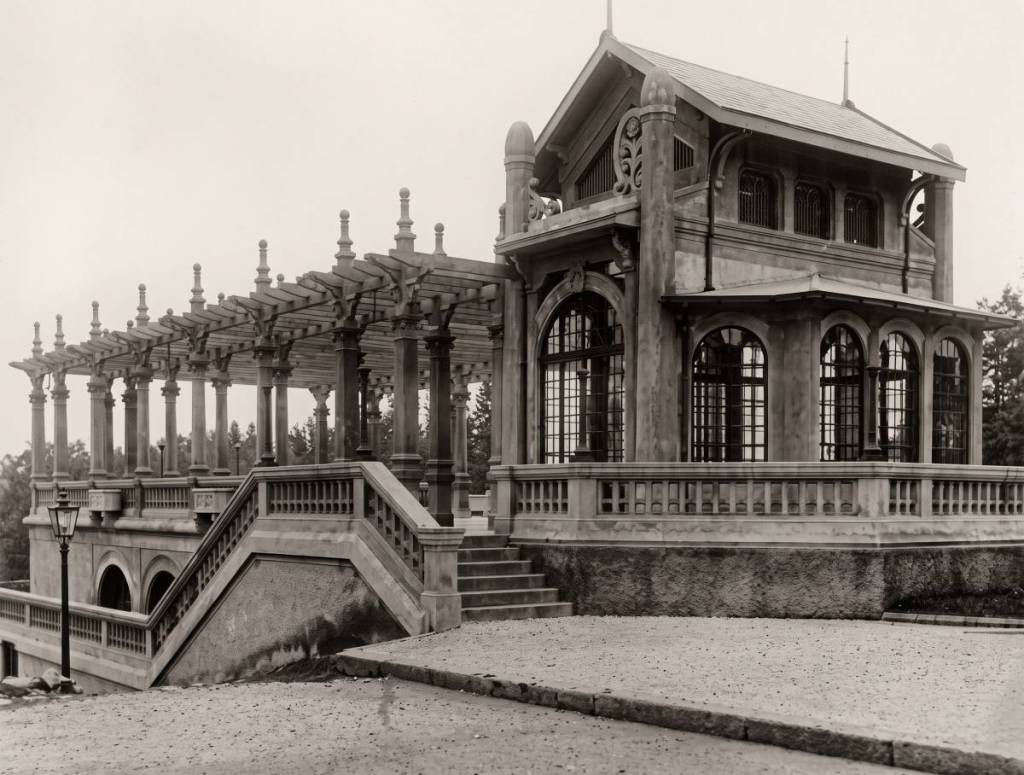
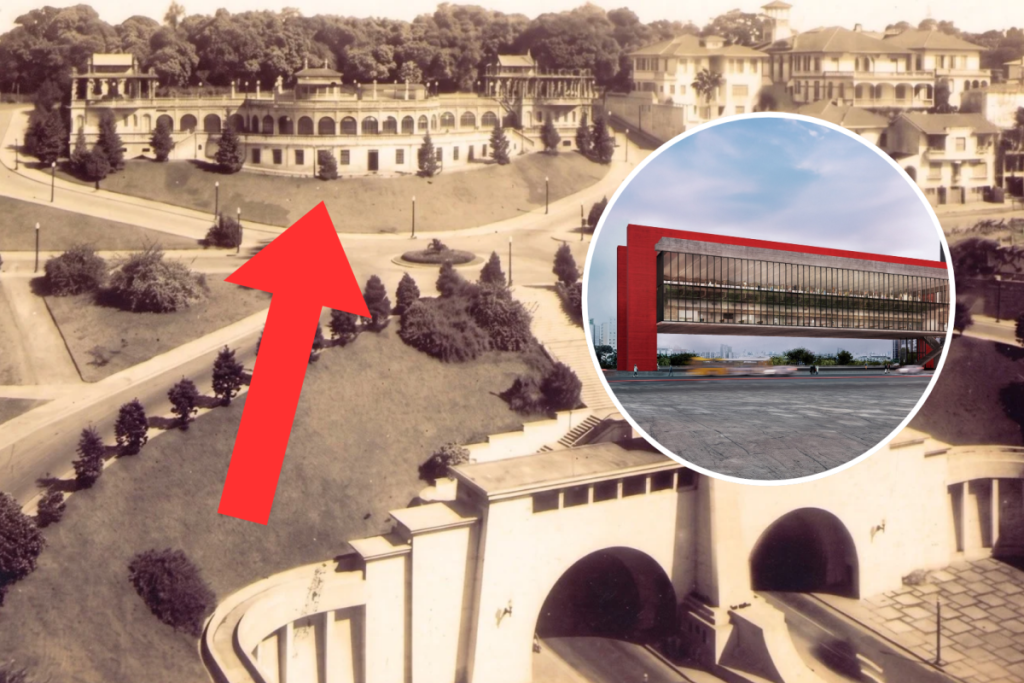
Located where the São Paulo Museum of Art (MASP) stands today, the Belvedere Trianon played a central role in 20th-century São Paulo society. In addition to a viewing platform, it housed a luxury restaurant, a pastry shop, event spaces, and even a ballroom dance school.
The classically designed space was a showcase for São Paulo’s high society, bringing together the city’s political, economic, and intellectual elites.

Discover the history of the Belvedere Trianon
Designed by the Ramos de Azevedo architectural firm, the Belvedere Trianon opened in 1916, across from what is now Trianon Park —then known as Paulista Park. At that time, Paulista Avenue was still predominantly residential and home to the mansions of the city’s wealthiest families.
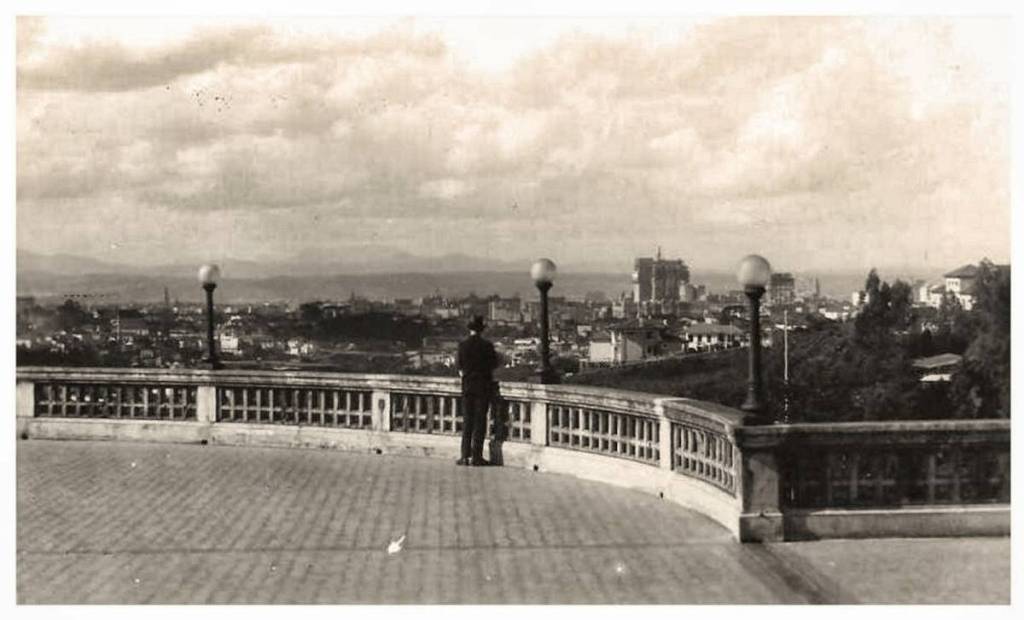
The term “belvedere” comes from the Italian bel vedere, an expression meaning “beautiful view.” The name aptly described the observation deck’s function: to offer a panoramic view of the Saracura and Anhangabaú valleys, whose waterways flowed freely at that time.
From the observation deck to MASP
Despite its importance and opulence, the Belvedere Trianon did not survive São Paulo’s modernization. In 1951, the site gave way to a temporary pavilion that hosted the first edition of the São Paulo International Biennial, which placed the city on the international modern art circuit.
After the Biennial, the structure was demolished, and the site remained vacant for years, surrounded by hoardings. This state of neglect continued until 1958, when City Hall ceded the space for the construction of the MASP. However, this concession came with one requirement: to preserve the view of the valley.
It was for this project that Lina Bo Bardi designed the famous Brutalist building, whose suspended atrium became a gathering place and a São Paulo landmark. And although the Belvedere Trianon has faded from the collective memory of many São Paulo residents, the former observation deck still leaves its mark on Paulista Avenue, whether by lending its name to the park or to the subway station.