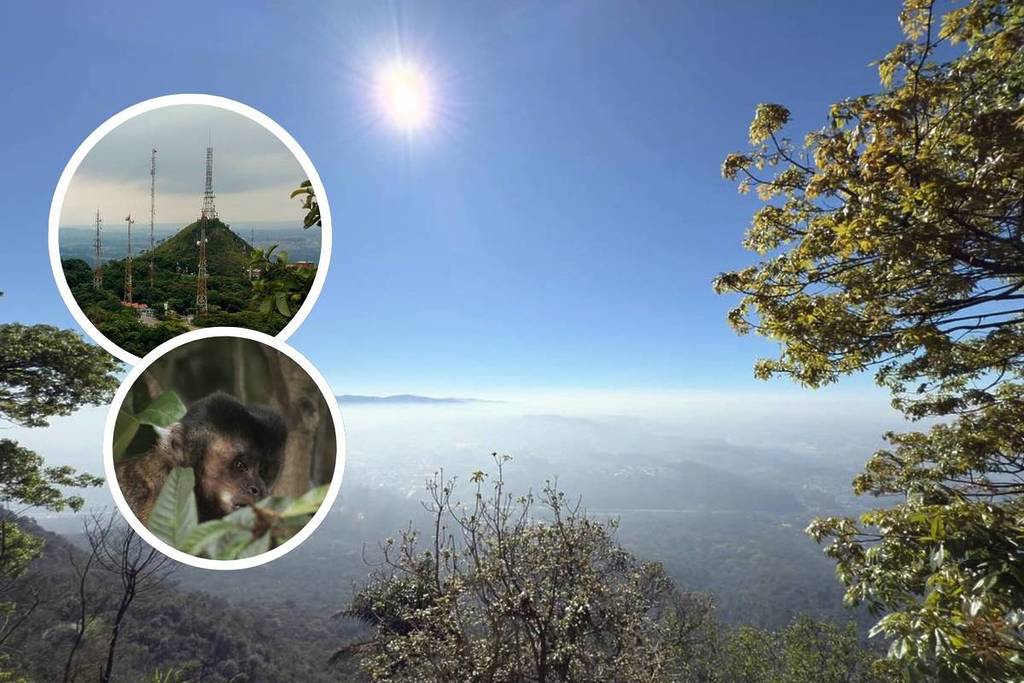

In the northwest part of the city, Jaraguá State Park was established to protect the highest point in São Paulo. It also houses one of the last remaining areas of Atlantic Forest in São Paulo. Since 1994, the park has been recognized as a UNESCO World Heritage Site.
Covering approximately 492 hectares, this green giant also includes the famous Pico do Jaraguá within its boundaries, standing at 1,135 meters above sea level . It is the highest point in the city and forms part of the Serra da Cantareira mountain range. In addition to the Atlantic Forest, Jaraguá Park also features Cerrado formations.
The History of Jaraguá
The Jaraguá neighborhood region was the site of expeditions led by Martim Afonso de Sousa. He commanded the first colonizing expedition to Brazil, sent by Dom João III in 1530. They identified the first evidence of gold in Brazil at th . And thus began the gold rush.
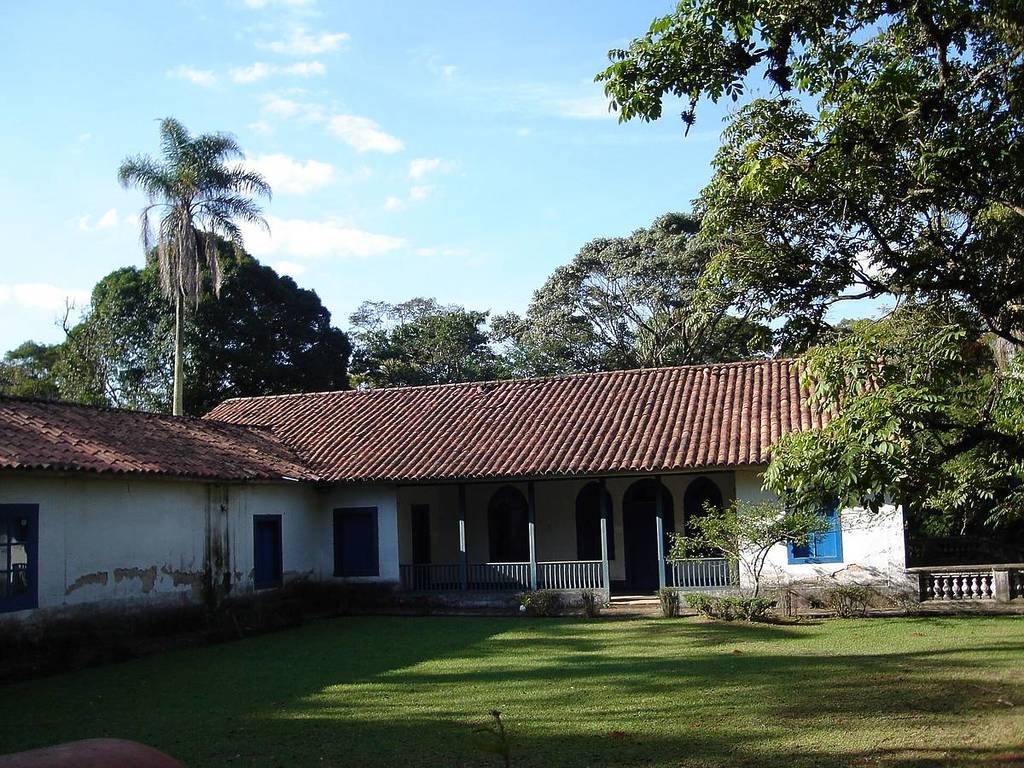
The bandeirante Afonso Sardinha settled there and built a large mansion, as well as a tank for washing the gold he found. These structures have withstood the test of time and stand as a testament to the mining that once flourished in the region.
In fact, the history of gold earned it the nickname“Peru of Brazil, ” drawing a parallel with the riches of Colonial Peru.
However, as the years passed and the gold ran out, the region became a farm in the 19th century. This led to the start of coffee cultivation. After changing hands several times, the State Government acquired the JaraguáFarm with the aim of preserving the native forest.
And so, on May 3, 1961, Decree No. 38,391 officially established Jaraguá State Park. A conservation area dedicated to research and environmental education. Currently, efforts are underway to restore native vegetation, such as the planting of ipê, cork trees, paineira, pau-jacaré, and guapuruvu trees.
What to do at Jaraguá State Park?
Abundant in nature, the park features trails such as the Trilha do Silêncio and shorter routes designed solely for observing the Atlantic Forest. But the main one is the Trilha do Pai Zé, which is about 3.6 kilometers long and rated as difficult. The trail connects the lower and upper parts of the park and traverses varying elevations all the way to the peak.
The fauna and flora in general are a spectacle in themselves. Among the flora, you can observe species such as paineiras, jatobás, and a variety of orchids. As for the fauna, there are animals such as the green-billed toucan, coatis, capuchin monkeys, white-winged woodpeckers, and even sloths!
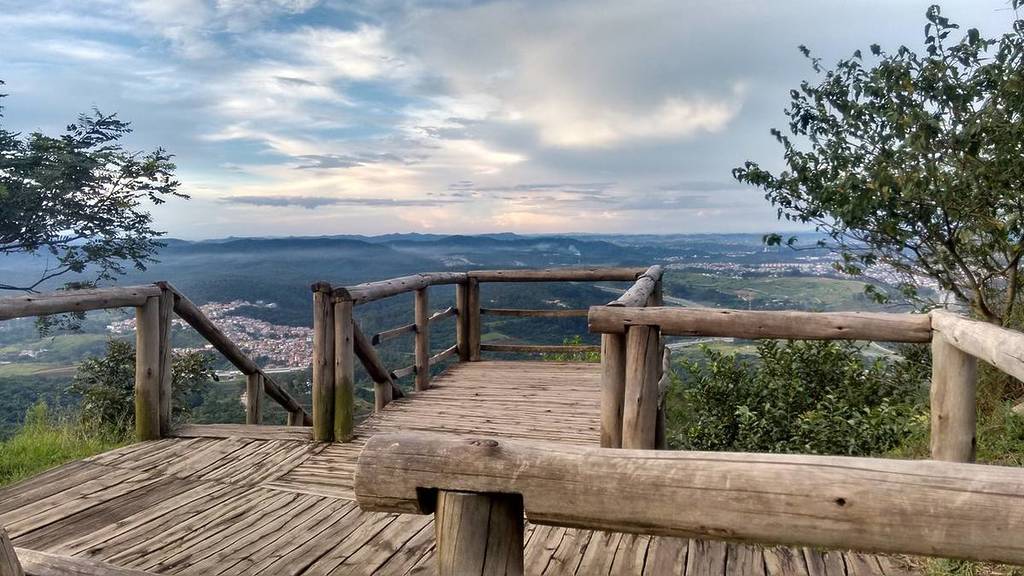
In addition, there are peaks and lookouts to visit, such as Pico do Jaraguá and Pico do Papagaio. Access to the summit can be via a trail or by road. The summit offers sweeping views of the West Zone and the Rodoanel.
The park also features a skate park, multi-sport courts, a playground, and areas for picnics and barbecues. You can also visit the Afonso SardinhaMansion and the old gold-washing tank.