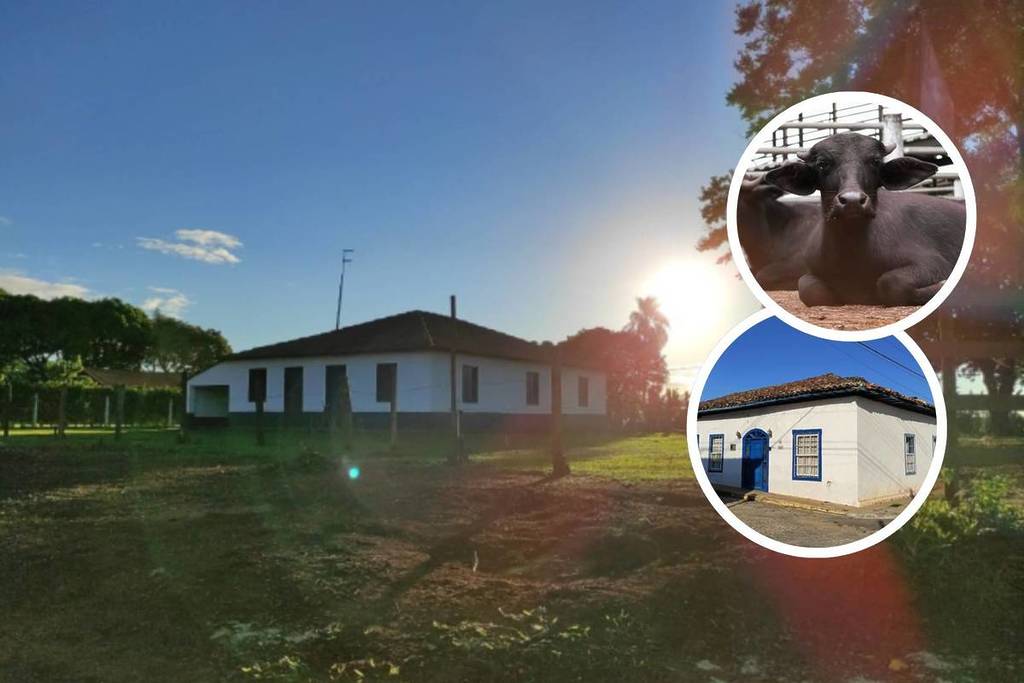

Although its slogan is “City of Peace, ” reinforcing its image as a tranquil and welcoming city, Sarapuí is also popularly known as the “City of Mansions.” The municipality in the interior of São Paulo celebrated 154 years of independence and maintains its 40 preserved mansions, dating from the 19th and 20th centuries .
The city was part of the route connecting São Paulo, Itapetininga, and Rio Grande do Sul. Its mansions served as lodging for tropeiros, and buildings were already standing in the first half of the 1700s. The name Sarapuí comes from the Tupi word çarapó-y, which means “river of the sarapós, ” in reference to the freshwater eels that once inhabited the region.
In addition to hotels, the buildings also served as parish houses, headquarters for rural estates, and residences for the influential families of the time. Many houses retain their original structures intact, such as the wooden wattle-and-daub walls and clay tiles, crafted by enslaved people from the region, as well as the antique doors and windows.
The main mansions of Sarapuí
Mansion on Quintino Bocaiúva Street
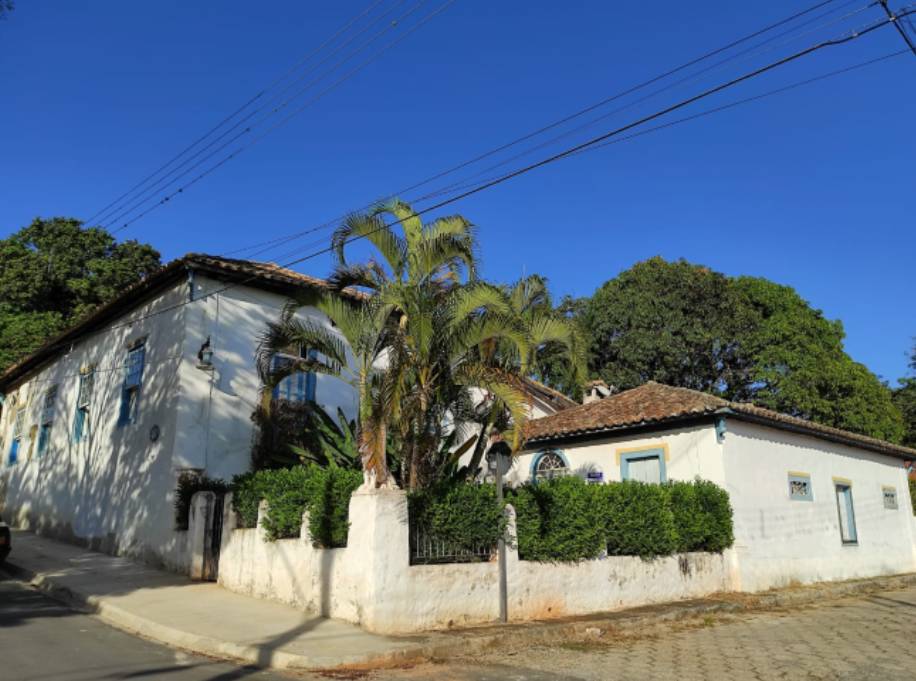
Considered as old as Sarapuí itself, the house, built between 1850 and 1870, is over 140 years old. Built in the colonial style, the mansion retains its original structure, doors, and windows.
It still belongs to the same family as the former residents. They are responsible for caring for and maintaining the mansion, which is still in use, though there is no information regarding its designation as a historic landmark.
Hotel Paulista
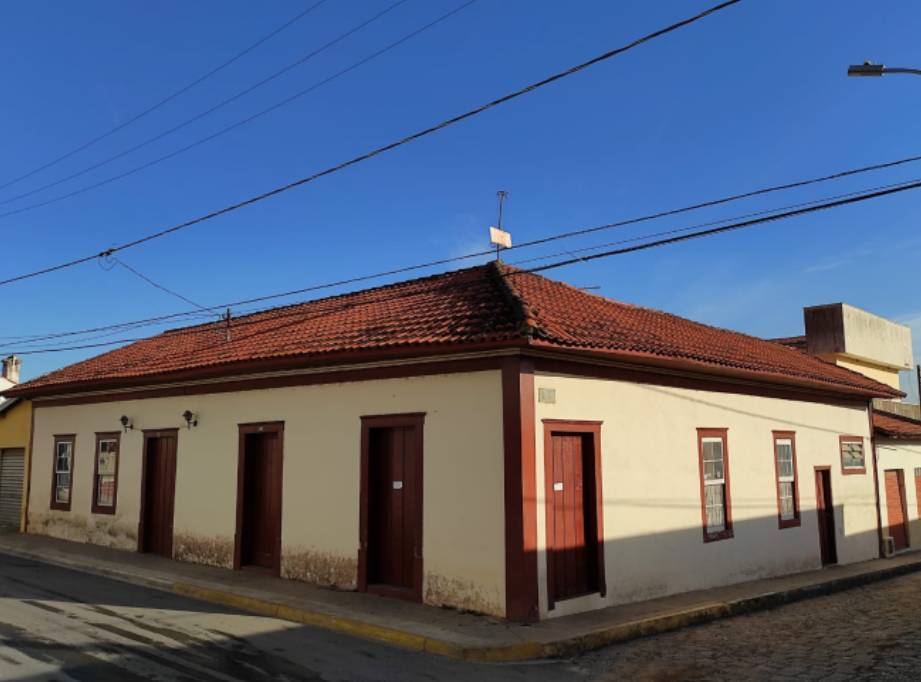
Built 126 years ago by German immigrant Frederico Augusto Holtz, the building is located on Doutor Cerqueira César Street, in the city center. The hotel operated for a few years, offering meals and lodging to tropeiros and travelers. Today, it houses a fabric store run by the Holtz family.
The mansion, built with masonry floors, retains its tall doors and windows and symmetrical facades. The building also preserves the basements and service areas that reflect its former use as an inn.
Old parish house
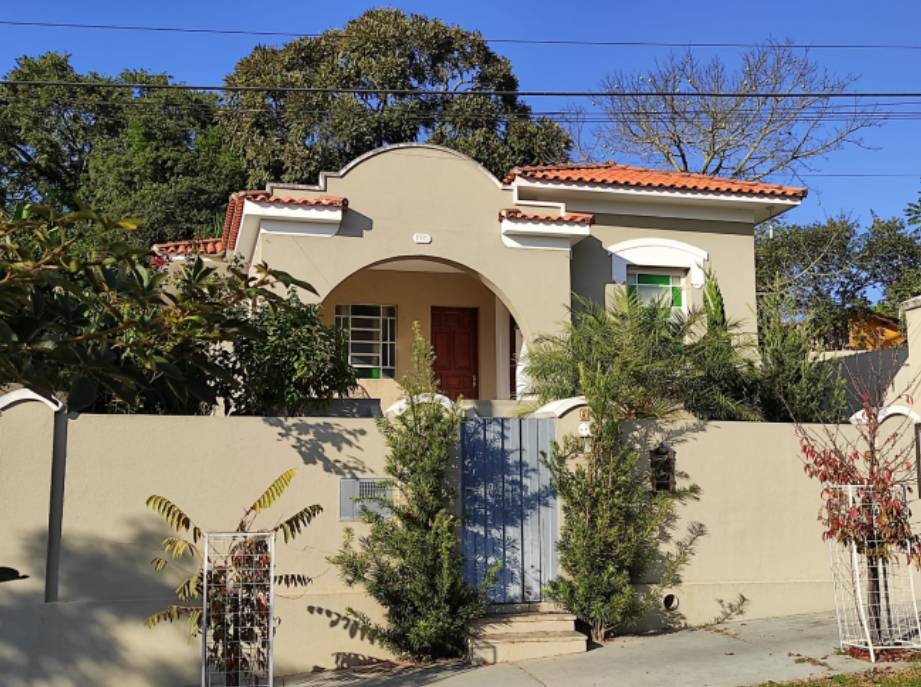
The building, constructed in 1910, is located on Praça Vicente Mozillo, next to the Nossa Senhora das Dores Mother Church. Today, it still serves as a residence for the parish priests , in addition to hosting religious guests and pastoral gatherings.
The 596-square-meter mansion is spacious and has a sober façade, facing the square in the city center. The building reflects the traditional style of early 20th-century parish houses and is an important landmark for the Catholic population of Sarapuí.
What to do in Sarapuí?
Although historic, since they are private properties, most of the mansions are not open to visitors. However, there are no restrictions on viewing the buildings from the outside. The Sarapuí city government is currently exploring initiatives to expand visitor access to the properties.
Until that happens, tourists can still enjoy rural tours through the city, also known as the “City of Waters” due to its abundance of water. Visitors can explore the spring areas and admire the landscapes of valleys and rivers.
As part of the Cheese Route since 2015, the city also offers cheese-themed tourist itineraries. These include visits to producers who open their farms to showcase the artisanal production of cheeses and dairy products.
Like Sítio São José, which raises Murrah buffalo and produces award-winning cheeses, yogurt, and dulce de leche at the Sarapuí BuffaloFestival. The farm offers guided tours and scheduled tastings . The tour focuses on demonstrating animal husbandry, the cheese-making process, and , finally, tasting the products.