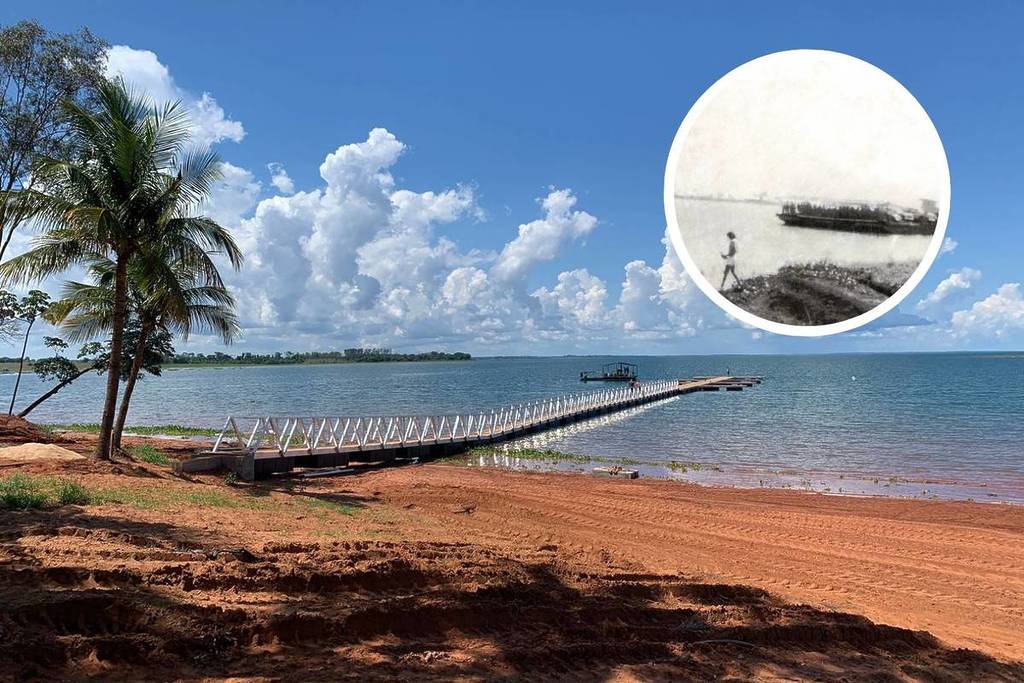

In the extreme northwest of São Paulo, Rubinéia borders São Paulo and Mato Grosso do Sul. Its old headquarters was deliberately flooded to make way for the Ilha Solteira Hydroelectric Power Plant dam. The new headquarters was built near the old region in 1973.
The name of the city is a combination of the names Rubens and Néia. The couple owned the land where the old city stood in 1951. Rubens de Oliveira Camargo was a major player in the urban construction of the city and, despite his short life, received the honor alongside his wife.
The old Rubinéia
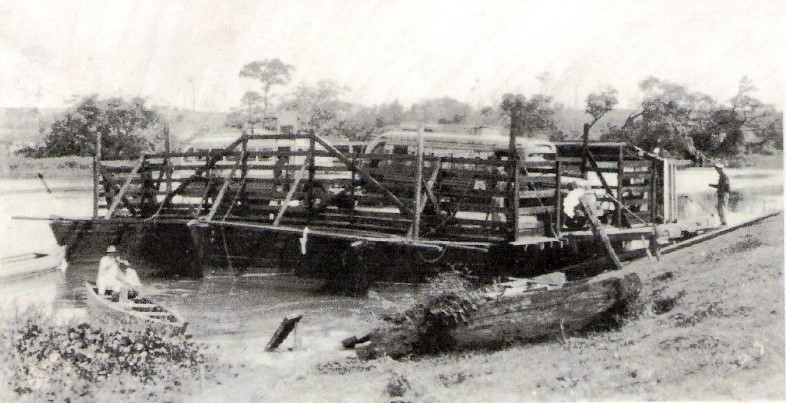
The old headquarters was located on the banks of the Paraná River and, with the flood, lost a third of its territory to the waters of the dam. Its expropriation began in 1960, when houses, businesses, and public buildings were emptied.
The population considered the compensation to be late and insufficient. It is estimated that the city had around 10, 000 to 12,000 inhabitants. This number is higher than the current population, highlighting the negative social impact of the flood on the lives of the inhabitants at the time.
The current Rubinéia was built with a new layout, but with the same connection to the Paraná River. The only difference is that it was possible to start exploring nautical tourism in the region, turning the setback into an economic opportunity.
The history of the old and new Rubinéia also became the inspiration for literary works, such as the book “Infância Submersa” (Submerged Childhood) by journalist Adriz Jacob. In the plot, Adriz recounts the experience of growing up in the old city and seeing everything being erased by the waters.
The journalist was only 14 years old when he had to move with his family. The narrative is a personal record, but also a historical account of the period.
Another work inspired by the city was the poem “Os submersos” (The Submerged) by Carlos Drummond de Andrade. In the text, Rubinéia appears as a symbol of cities and memories sacrificed in the name of hydroelectricprogress.
What to do in Rubinéia?
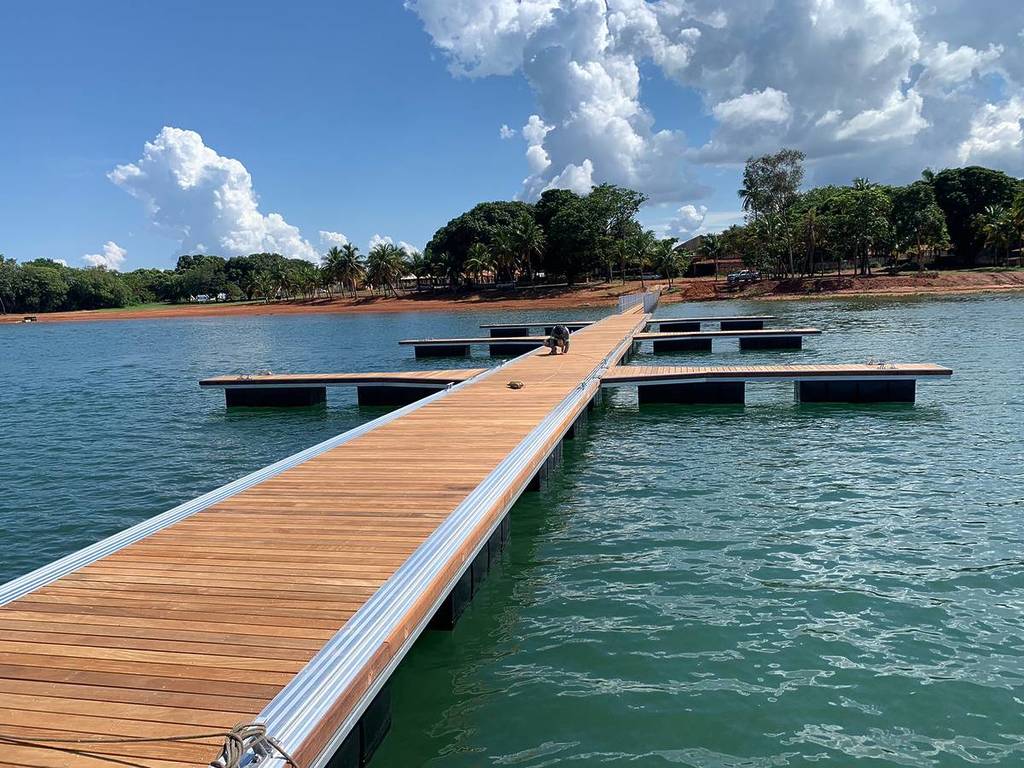
Rubinéia’s economy revolves around nautical tourism, with its main activities involving water, such as sport fishing and water sports. The rivers surrounding the municipality have infrastructure such as marinas, ramps, and boats for tours.
Other must-see options are the freshwater beaches. Praia do Sol, Praia de Ipanema, and Praia do Pedregulho Cor-de-Rosa have sandy beaches with kiosks and infrastructure that includes showers and leisure areas.
During the dry seasons of the Paraná River, when the water level drops considerably, in the region of Ipanema Beach it is possible to see pieces of concrete from buildings in the submerged city. The last appearance was in 2014, during the water crisis that hit São Paulo.