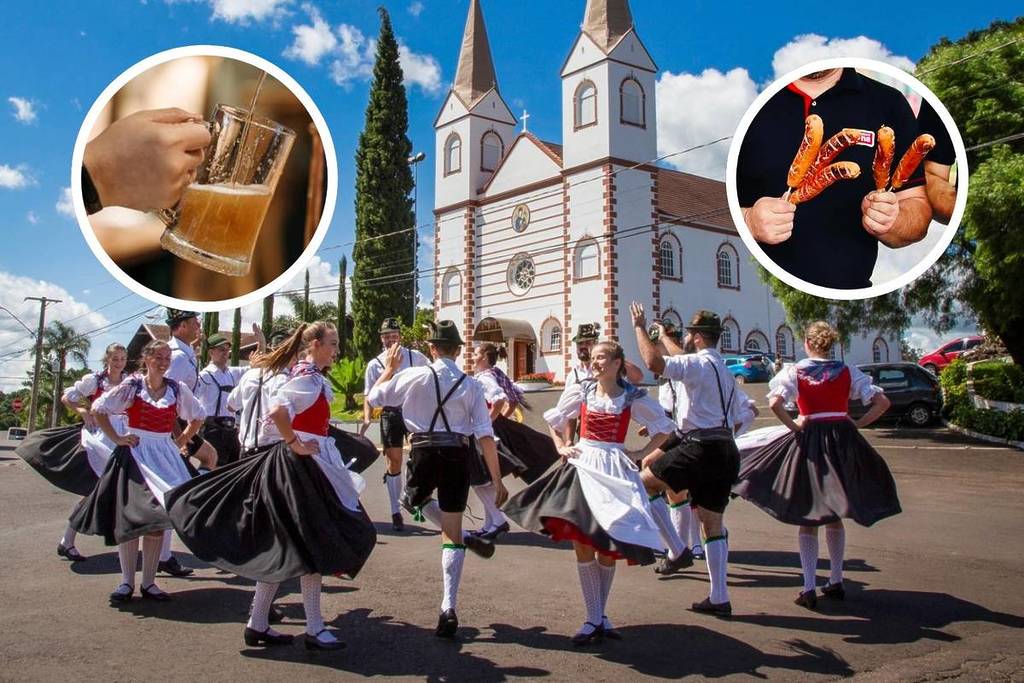

Celebrating German culture in São Paulo, the25th edition of the Maifest Festival takes place May 16–17 from 10 a.m. to 10 p.m. in the Brooklin neighborhood. The festival, organized by the neighborhood’s Association of Entrepreneurs, will take place in the area bounded by Joaquim Nabuco, Princesa Isabel, Barão de Triunfo, and Bernardino de Campos streets.
The festival helps preserve cultural heritage and highlight German influences in Brazil. Over the years, the festival has become a tradition in São Paulo, bringing culinary delights, art, and cultural events to the city streets.
São Paulo and German immigrants
Migration to São Paulo began to intensify in the 19th century, when immigrants left Germany in search of work on farms. Coffee plantations were in the process of replacing slave labor following abolition.
At the time, some Germans faced poor working conditions, health problems, and difficulties adapting. However, some ventures were economically successful. In addition to farm work, some immigrants managed to find work in commerce and industry, which were on the rise at the time.
As they grew socially, the Germans founded associations, churches, schools, and social clubs, establishing their own culture in São Paulo. Festivals like Maifest help preserve these traditions.
What to expect from the Maifest Festival?
Currently, the festival seeks to bring together different generations and cultures. To encourage the appreciation of traditions, this year’s edition encourages different audiences to share the same space.
The program is packed with music, poetry, dance, and crafts, as well as multicultural cuisine featuring German, Portuguese, Swedish, and s from various regions. In fact, there will be over 260 exhibitors and 120 attractions.
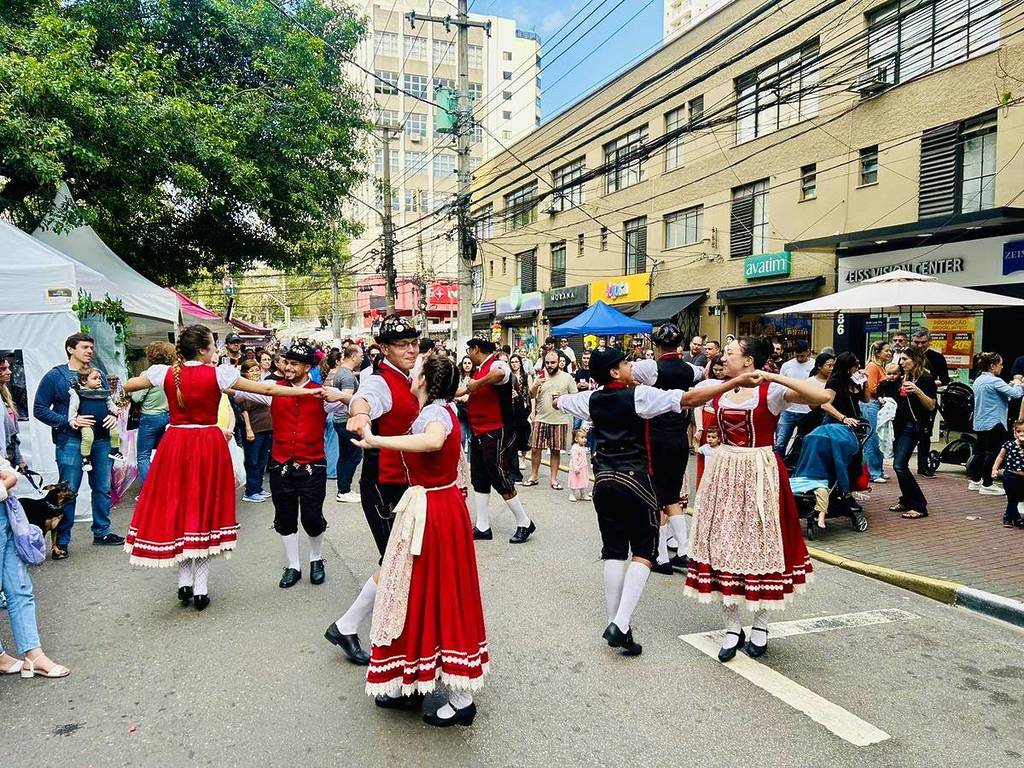
The event expects to welcome more than 130,000 people to witness the street parades celebrating German tradition.
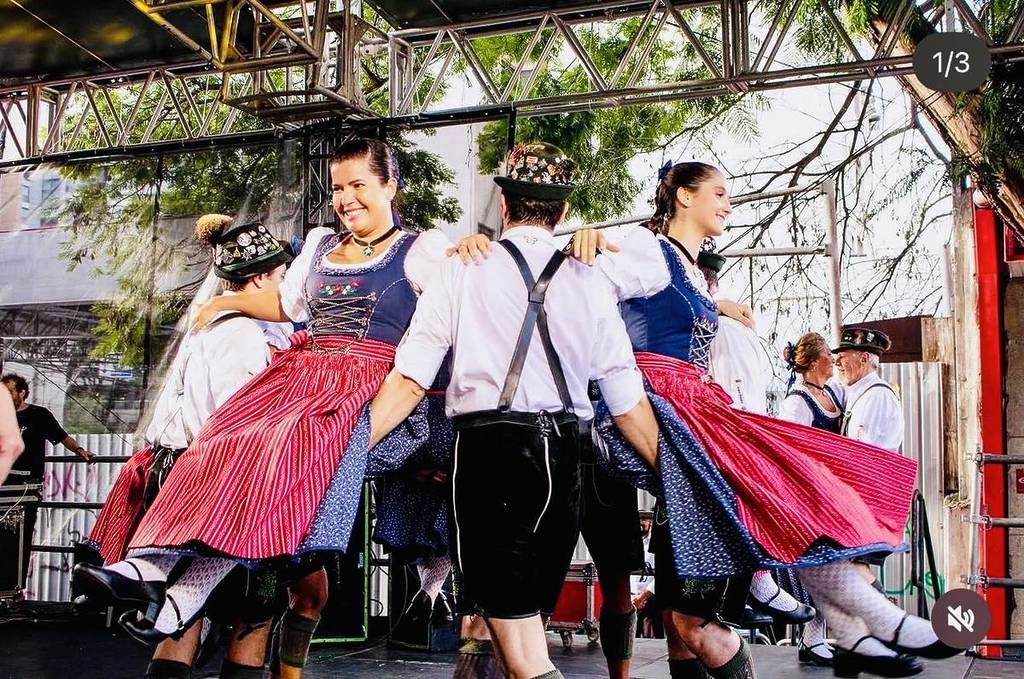
In addition, the event features performances by 10 artistic groups, including musicians playing the bagpipes, accordion, and violin. The public will also be able to enjoy free performances by bands , orchestras, and choirs. Their repertoires span German and Austrian folklore , as well as MPB, jazz, and rock.