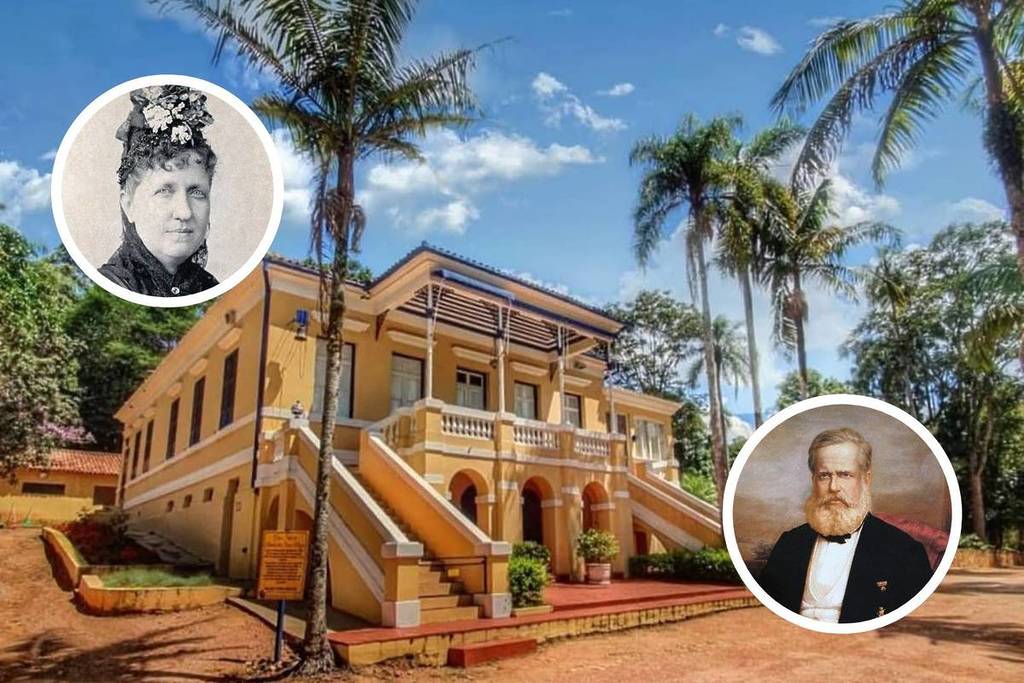

In the 19th century, the Nossa Senhora da Conceição Farm began as a sugar producer and later shifted to coffee production. Located in Jundiaí, today the farm operates in the hospitality industry, welcoming visitors and sharing its history through museums and cultural activities.
Built in 1810, the property belonged to Francisco José da Conceição, the Baron of Serra Negra and a prominent figure among the coffee elite of the time. At its peak, the farm had a high production volume with approximately 350,000 coffee trees. It relied on slave labor and exported its goods.
After the abolition of slavery in 1888, the farm welcomed Italian immigrants to work in the fields, replacing the more than 120 enslaved people previously held on the property. It is worth noting that, even in the face of the 1929 coffee crisis, the farm did not “go bankrupt,” underscoring its capacity for economic adaptation.
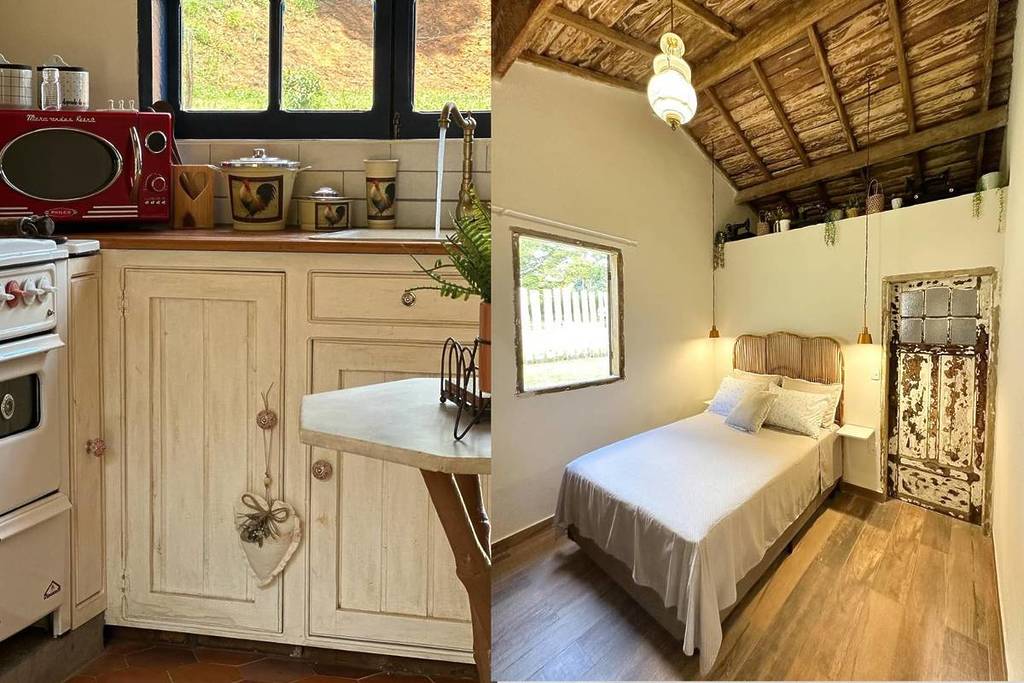
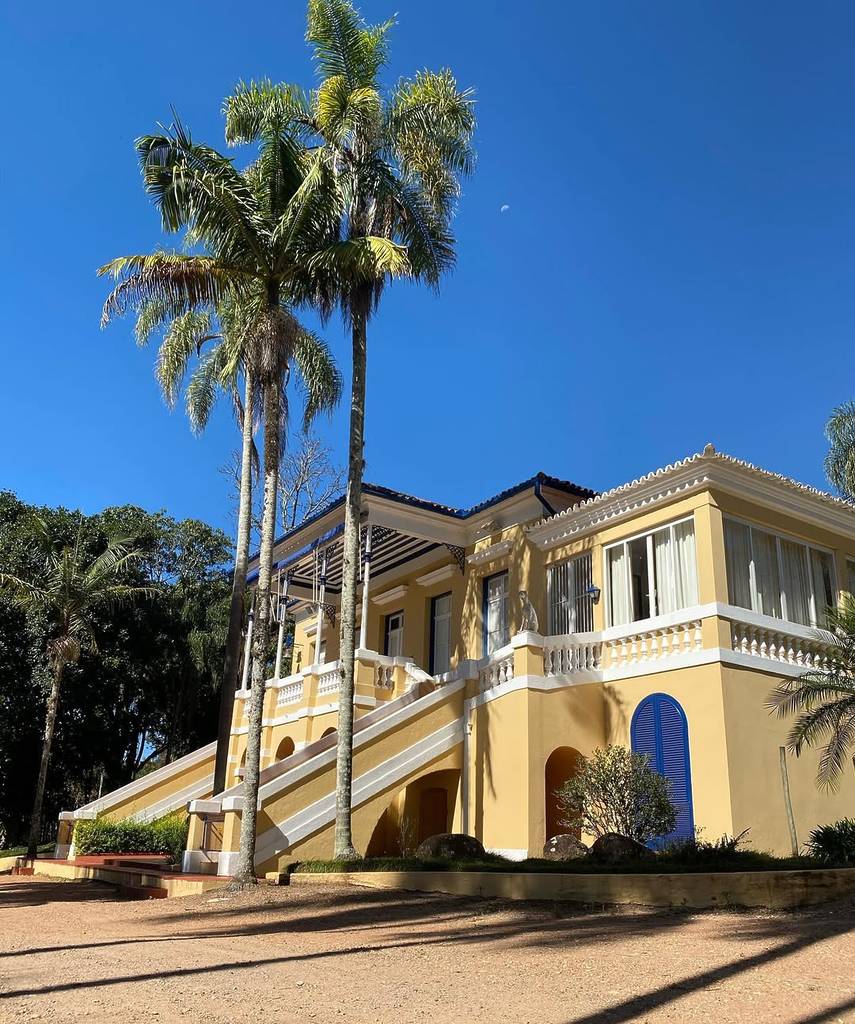
Today, the farm’s structures remain preserved and fully operational, including the main house, the old production buildings, and the domestic quarters. The architecture follows the so-called “coffee architecture” style, with a design similar to other farms of the same type and era.
The Nossa Senhora da Conceição Farm on the railway route
Inaugurated in February 1867 by the British railway company, the São Paulo Railway is the first railway in São Paulo. Its purpose was to connect Jundiaí to the port of Santos, as well as to transport coffee from the interior to the foreign market.
The Nossa Senhora da Conceição Farm played an important role in determining the route the railroad would take. As one of the largest coffee producers, it was part of the rationale for the need to build the railroad line in that location.
With the construction of the railroad, the expectation was to decentralize the transport of goods through the Serra do Mar mountain range and thereby reduce the time and costs associated with logistics. The goal was also to facilitate the distribution of other products, optimizing the process.
It remained under the administration of the British railway company until 1946 and , the following year, was transferred to the Federal Railway Network. Consequently, its name was changed to the Santos–Jundiaí Railway.
How to visit the farm?
During its golden age, the farm even welcomed distinguished visitors such as Dom Pedro II, Princess Isabel, and her husband, the Count d’Eu. Today, it accepts reservations for lodging and day use. The itinerary includes breakfast and lunch, as well as tourist activities.
In addition, it also has a museum that serves as a record of the local coffee-growing past, addressing slavery and rural life. It is a popular destination for school field trips with educational purposes.
There is also the option of taking guided tours of the property, as well as horseback riding, pony rides, and train rides. Children can enjoy the petting zoo or the playground while adults have fun on the trails, by the lakes, at restaurants, or in the craft shops.