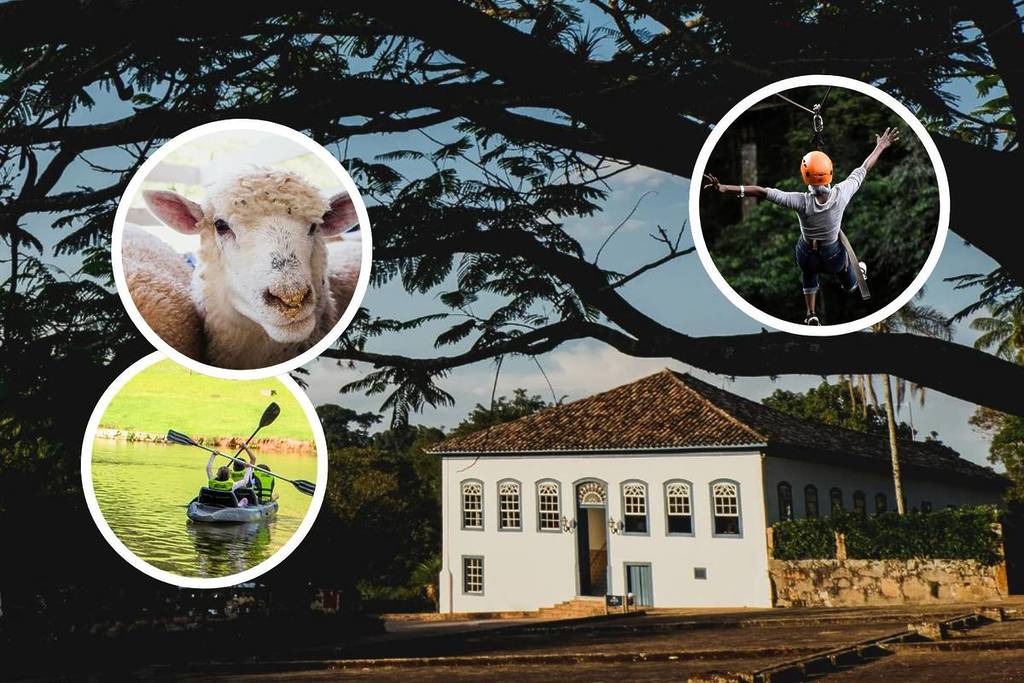

Located in Itatiba, Fazenda Dona Carolina was a major coffee producer in the region during the 19th century. The building, erected in 1872 by Dona Carolina and her husband José Alves Cardoso, was initially called Fazenda Jaboticabal.
Finally, after the owner’s death , the farm was renamed in her honor to the name we know today.
The colonial mansion has characteristics typical of 19th-century buildings. It has a strong Portuguese influence and follows the model of other coffee farms. The complex as a whole includes the main house, stables, and structures related to coffee production, such as granaries and courtyards.
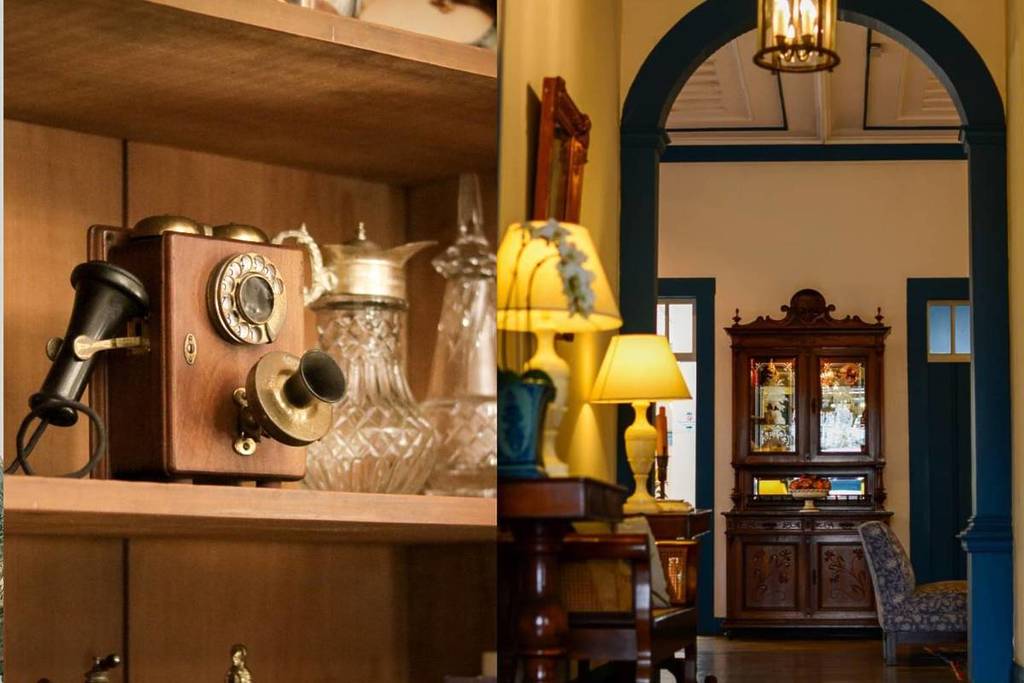
The property has remained in the same family for generations, though the family now operates in a different field. Today, the site houses a farm hotel. If you visit, you can check out a detail left on one of the doors since the building’s construction: the year 1872 engraved alongside the initials of José Alves Cardoso.
Fazenda Dona Carolina and Abolitionism
Even during the time when Brazil was a monarchy, and before May 1888, Dona Carolina freed enslaved people on her own initiative, without needing to rely on the legal requirements imposed after abolition.
And after that, he granted them an area of about 2.4 million square meters so they could live and make a living. This land is known today as “Bairro dos Pretos.” There, the memory of the community formed by former enslaved people and their descendants is still preserved.
According to accounts from the time, Dona Carolina was an outspoken republican and abolitionist. At that time, making a donation of this magnitude—giving away an area comparable to the size of the farm itself—was a highly unusual gesture. The coffee elite never relinquished their lands, not even in the period following abolition.
This practice only gained momentum across the country much later, with the emergence of agrarian reform linked to historical reparations. Since enslaved people did not receive compensation and many remained on the same plantations and farms, working under precarious conditions.
The Hotel Fazenda Dona Carolina
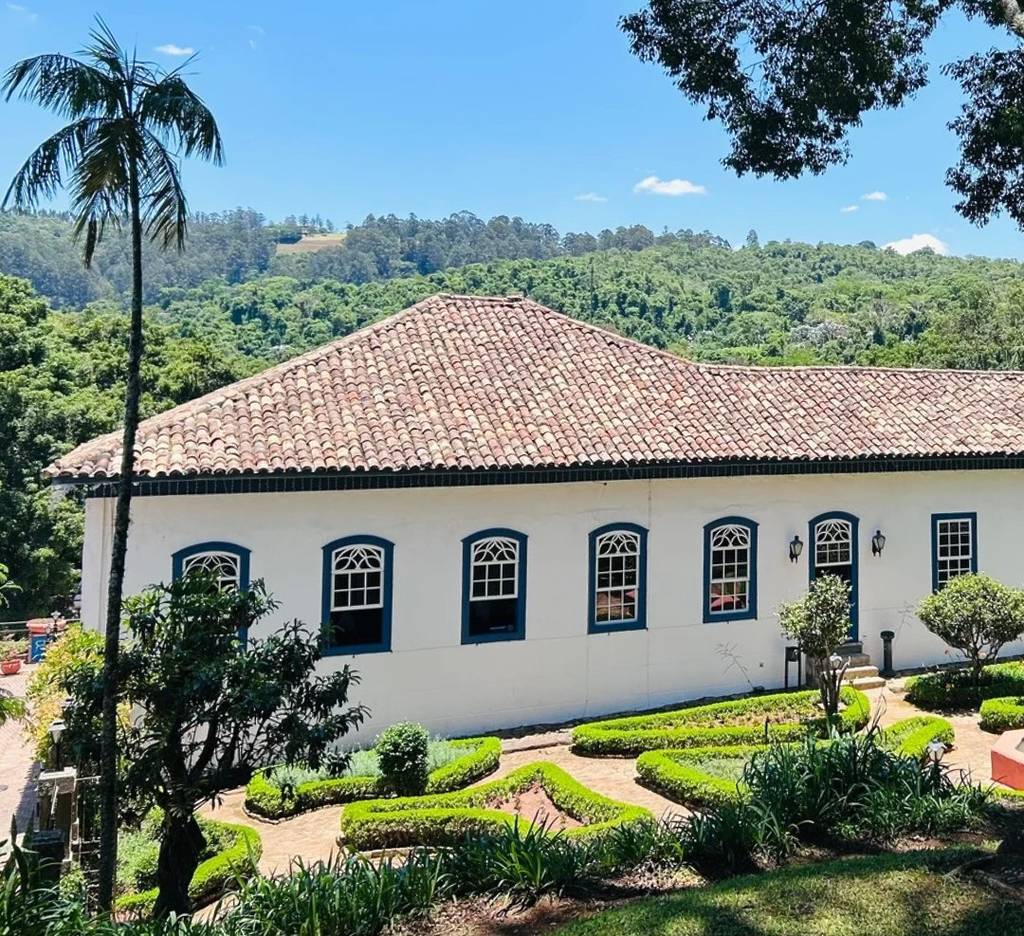
Today, the farm hotel operates as a country resort, offering visitors the experience of a farm combined with family leisure activities. It also offers adventures in the local nature, historical tours, and culinary tours.
Dona Carolina offers three guided tour options: the historical tour, which recounts the property’s 150-year history since its construction; the coffee tour, which includes a visit to the coffee plantations and the old production facilities; and the cachaça tour, which follows the process of the artisanal cachaça produced there.
In addition, you can also go horseback riding, pony riding, and even take a tractor ride! See the little farm up close and learn more about animal care and feeding. You can also go zip-lining or kayaking on the property’s lakes.
On the other hand, the resort also offers a spa and relaxation areas, a gym, and a lively nightlife program. Day passes are available, which include lunch and use of the pool, as well as access to other activities on the farm.