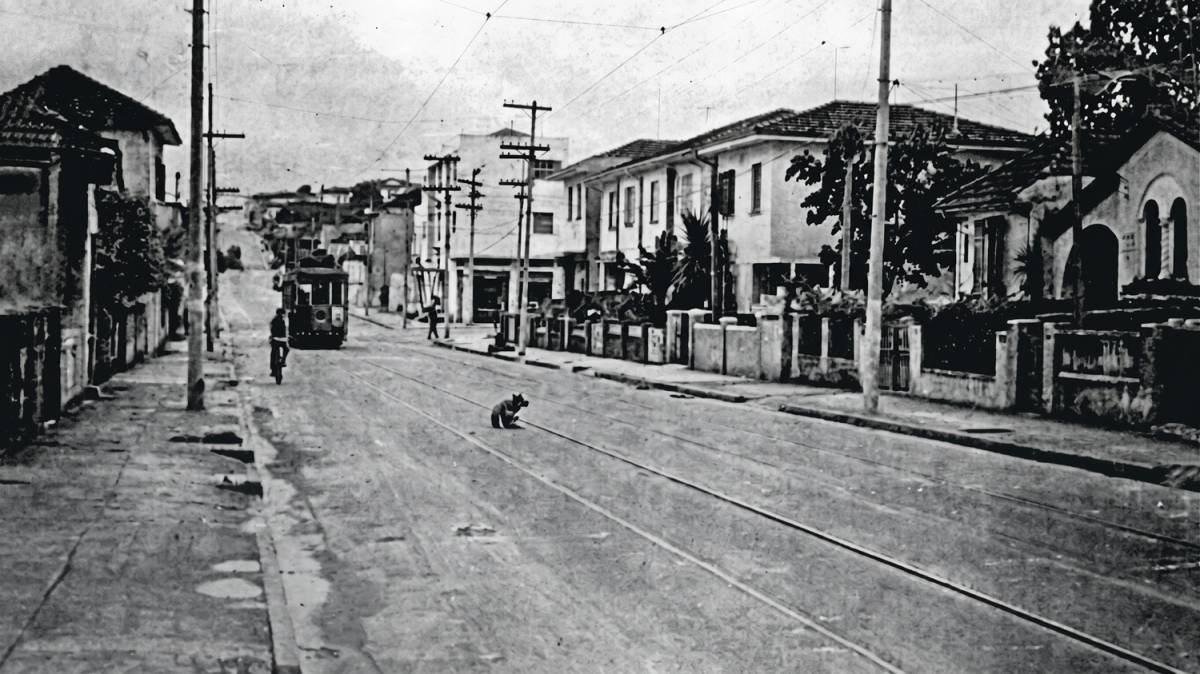

Long before it became a hub of São Paulo’s nightlife, Pinheiros began as indigenous territory on the banks of the river that now bears its name. The City of São Paulo recognizes the region as the oldest neighborhood in São Paulo due to its indigenous and Portuguese origins, which date back to the 1560s.
The neighborhood’s history began with the arrival of Tupi Indians from the countryside, who established a village in the region after leaving Piratininga. Soon after, Jesuits arrived to catechize the inhabitants, founding the Village of Nossa Senhora da Conceição dos Pinheiros.
Over the centuries, the area ceased to be merely a settlement and took on a strategic role in travel through what was then the town of São Paulo. Indigenous trails, as well as those used by bandeirantes and tropeiros, crossed the region, helping to establish one of São Paulo’s oldest neighborhoods.

São Paulo’s Oldest Neighborhood: From the Araucaria Trees to the Caminho de Pinheiros
The name Pinheiros is directly linked to its original natural landscape. Before urbanization, the neighborhood was home to a forest teeming with araucarias ( or native pines), with fast-flowing rivers and dirt paths.
The flow of outsiders was so heavy that, by the early 17th century, the Caminho de Pinheiros was already among the most important routes in the town of São Paulo. The route connected the town to the village and to territories beyond the river, following the path of what are now Rua da Consolação, Rua dos Pinheiros, and the upper section of Avenida Rebouças.
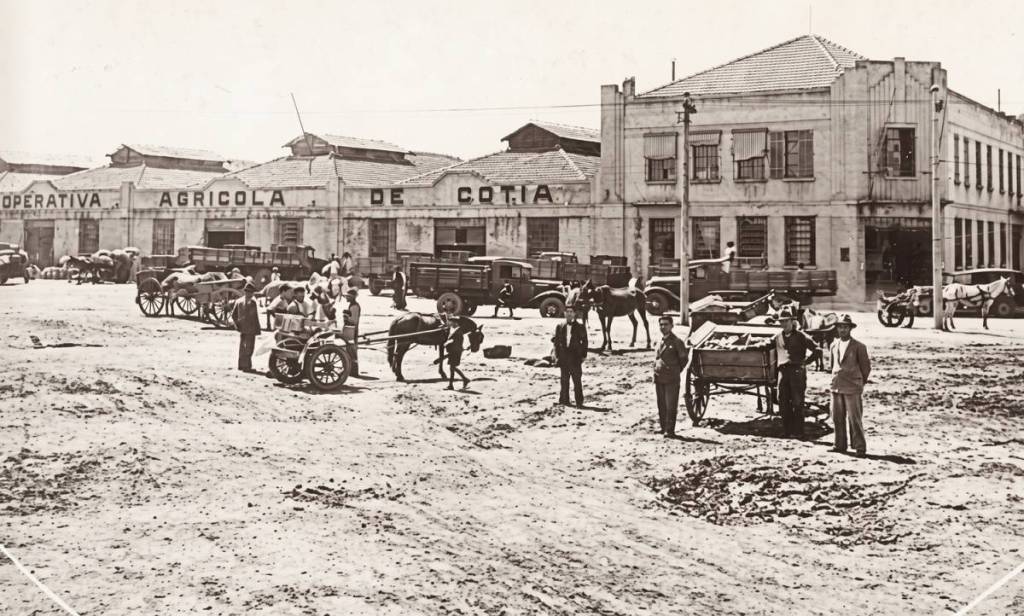
São Paulo’s first neighborhood became one of the city’s most exclusive
During the 18th and 19th centuries, Pinheiros retained a predominantly rural character. Farms, charcoal production, and pottery workshops defined the landscape, with a pace far removed from the hustle and bustle of downtown São Paulo. To give you an idea, by the end of the 19th century, the region had only 200 houses!
This transformation gained momentum with São Paulo’s urban expansion and economic growth. The arrival of Italian immigrants, and later Japanese immigrants, further spurred urbanization and brought a breath of fresh air. One example was the opening of the Pinheiros Municipal Market in 1910— which was initially known as the “Mercado dos Caipiras.”
Today, Pinheiros is one of the most sought-after neighborhoods in the capital. The area is home to shopping, dining, art, and a vibrant nightlife— a far cry from the quiet village from which it originated.
Still, the next time you visit the area, why not keep an eye out for traces of its different phases? From the indigenous settlement to its rural past, which ultimately gave way to a modern, bustling, and cosmopolitan region .