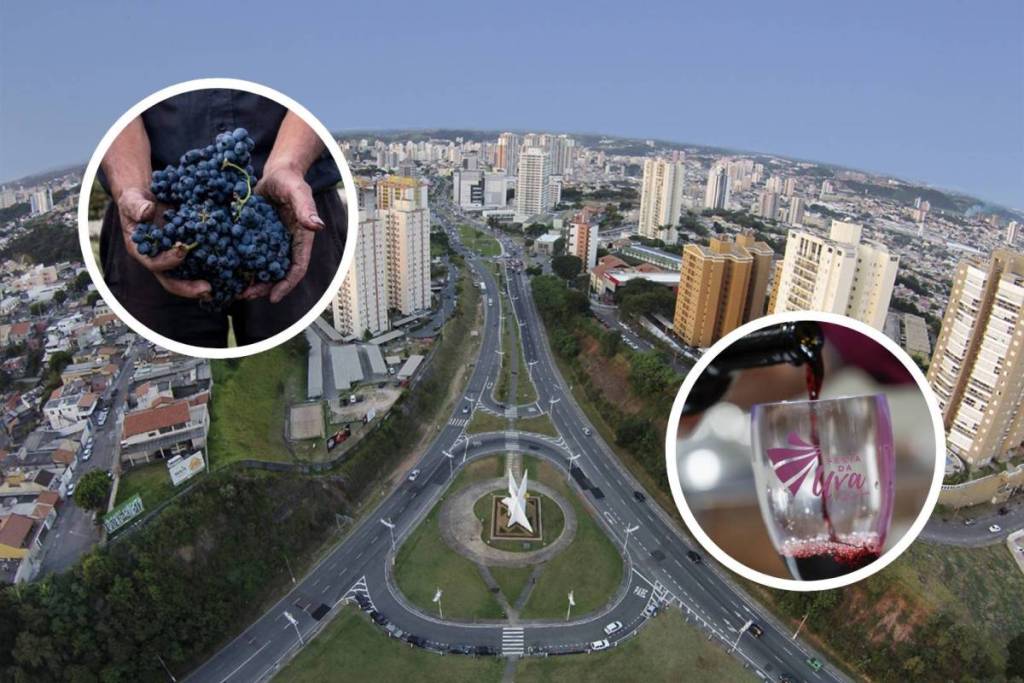

Located between São Paulo, Campinas, and Sorocaba, the municipality of Jundiaí is known as the “Land of Grapes” due to its strong winemaking tradition, which is directly linked to Italian immigration in the 1880s.
Also known as “Land of the Sun, ” the city has land that is highly suitable for agriculture, with rugged terrain at an average elevation of 760 meters and a mild tropical climate. These geographic characteristics have helped make Jundiaí one of the municipalities with the highest GDP in the state today.
Furthermore, the city’s excellent connections to São Paulo’s major highways have fueled its development in industry and commerce. In fact, the municipality has gained national recognition as a model of economic prosperity in recent years.
This true gem of São Paulo’s interior already had records of settlement dating back to 1669, a time when there was already evidence of the sale of wines produced in the region. Throughout the colonial period, the city established itself as a rural area of great importance before taking on its industrial and urban character.
Italian Heritage and Winemaking
During the 1880s, the city received a large influx of Italian immigrants. To welcome them, colonial settlements were established for families newly arrived from Europe. In search of opportunities and work, many immigrants settled in these rural areas.
In fact, in the mid-20th century, more than 50% of Jundiaí’s population consisted of direct descendants of Italians. Currently, it is estimated that about 75% of local residents have Italian roots, making the municipality one of the largest Italian communities in the country.
Along with the immigrants’ cultural heritage came their extensive knowledge of wine production. Initially, local agriculture focused on coffee and subsistence farming, but grape cultivation soon became the region’s main economic foundation.
The activity has become an integral part of the city’s cuisine, religious festivals, and collective memory.
Jundiaí: The Land of Grapes
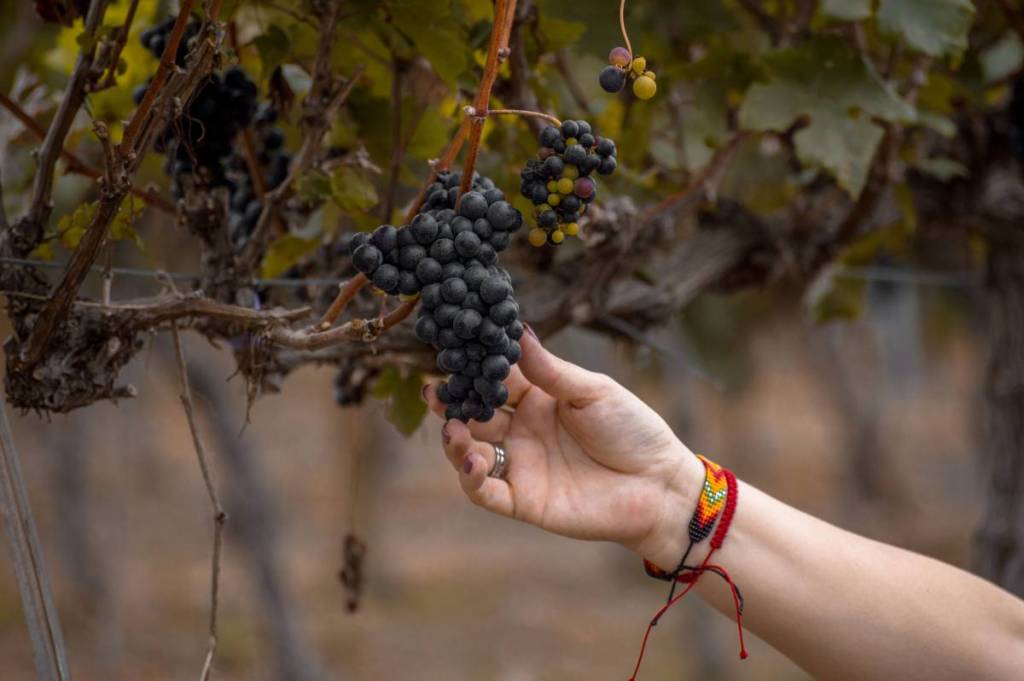
Around 1890, the grape variety known as White Niagara was introduced to local vineyards because it was better suited to the region’s climate. Years later, in 1933, a natural genetic mutation in one of the vineyards gave rise to another variety: the Pink Niagara.
The new variety quickly gained national recognition, establishing itself as the municipality’s signature grape. Thus, the Niágara Rosada became one of the most widely cultivated table grapes in Brazil and cemented Jundiaí’s reputation as the “Land of Grapes.”
Today, those seeking experiential tourism in the region will find excellent wineries in Jundiaí. The city is home to 14 wine-producing wineries, 12 of which are located on the Rota da Uva, a charming tourist circuit with a century-old tradition of artisanal winemaking.
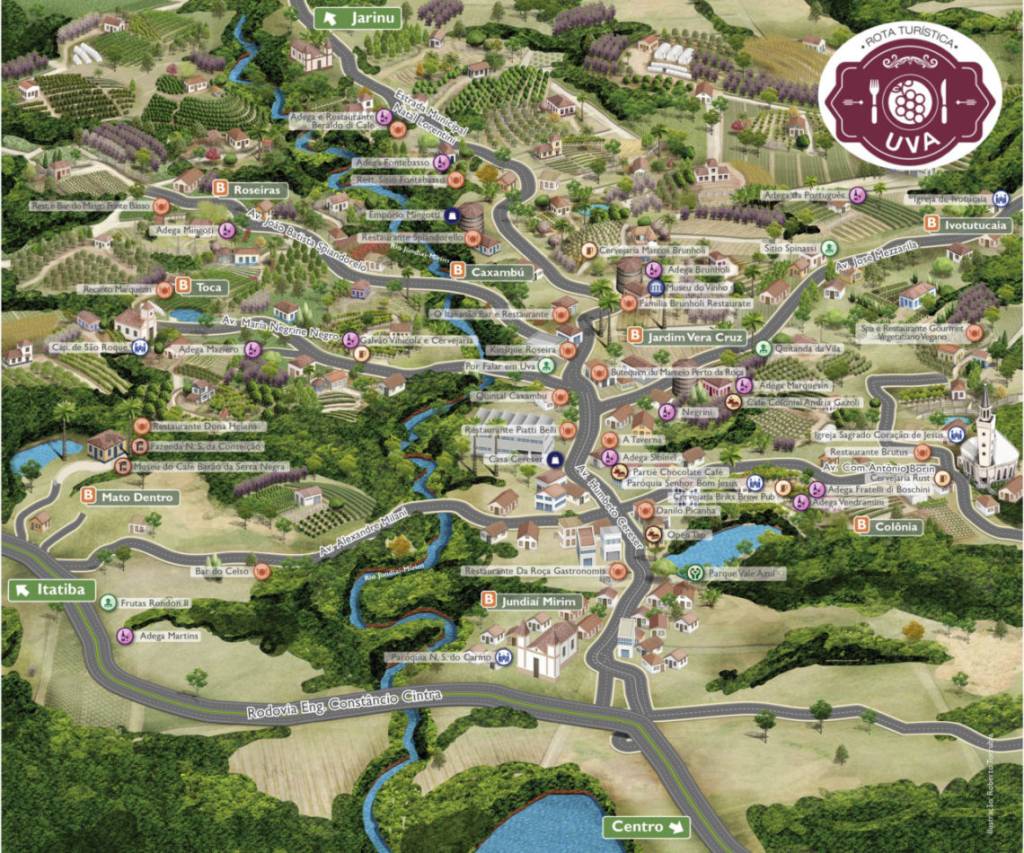
Wine tourism is significant, attracting visitors from across the state and the country for guided tours, shopping, and tastings. This tradition is so highly regarded that even Popes Benedict XVI and Francis have tasted local wines during their visits to Brazil.