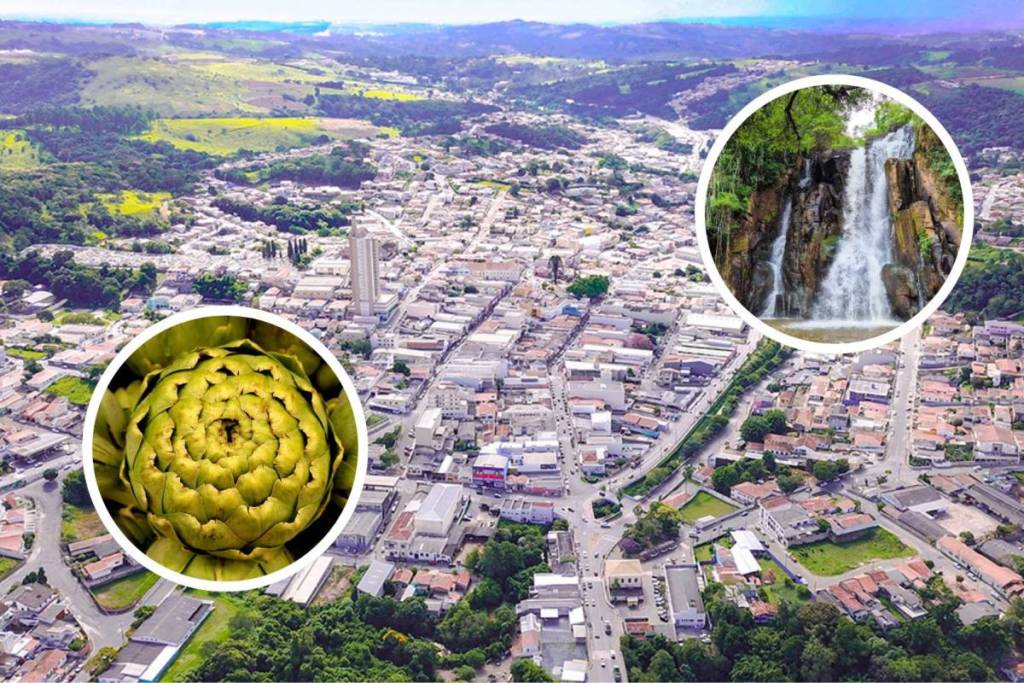

Did you know that Piedade is the “National Artichoke Capital”? The municipality, founded in 1840, has extensive farmland and significant agricultural production. Artichoke cultivation stands out in particular, as the city accounts for about 65% to 90% of Brazil’s production .
During the 19th century, Piedade was still just a small settlement made up of families who had arrived from Sorocaba, on the banks of the Pirapora River.
However, between 1831 and 1835, the pioneer Vicente Garcia built a chapel after receiving an image of Our Lady of Mercy. The municipality’s founding date was considered to be the same day the chapel was consecrated: May 20, 1840.
Currently, Piedade is part of the Sorocaba Metropolitan Region and the São Paulo Macrometropolis. With a territory of approximately 746.86 square kilometers, the city is home to 54,000 residents and is considered to have a low population density.
Piedade, the “National Artichoke Capital”
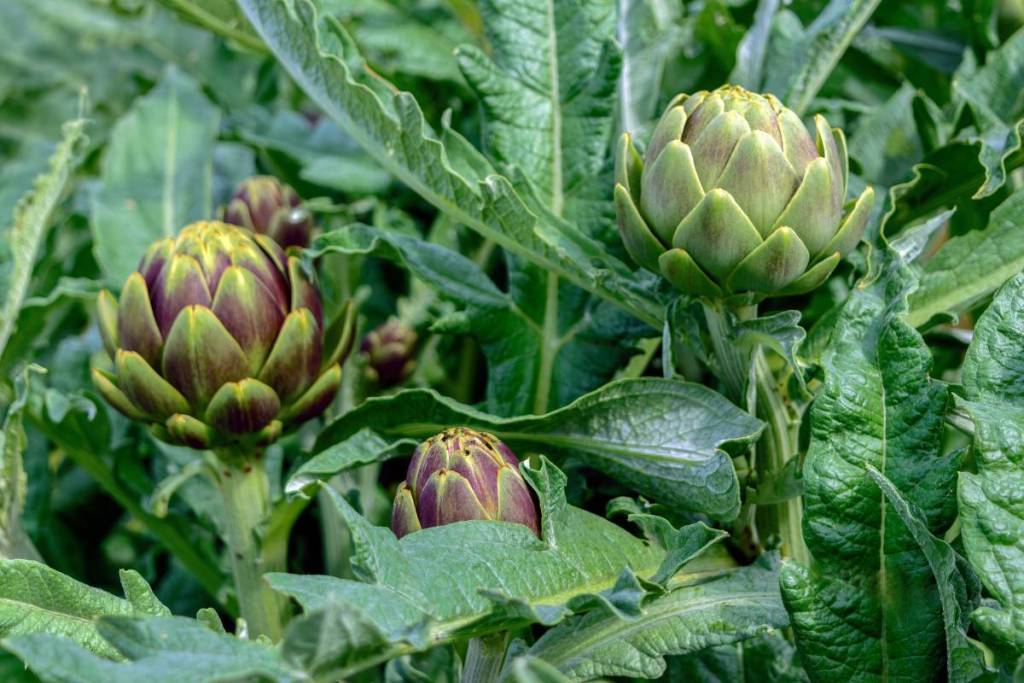
The city’s milder climate and fertile soil favor local agricultural production. Today, Piedade is recognized as the “National Artichoke Capital” due to its high production of this vegetable, which accounts for more than half of the country’s artichoke crop.
In the region, there are approximately 120 hectares of cultivated land, and at least 20 farming families are involved in cultivation. In other words, the system is predominantly supplied by family farming.
However, it is not just the favorable soil conditions that enable a bountiful annual harvest; growers also use hormonal induction techniques and even two harvests to expand production.
In addition to artichokes, Piedade’s agricultural sector also produces strawberries, persimmons, flowers, and other vegetables. The city stands out for the diversity of products that supply local markets and distribution centers in Greater São Paulo.
According to city hall data, about 60% of the municipality’s economy revolves around agriculture.
What to do in Piedade?
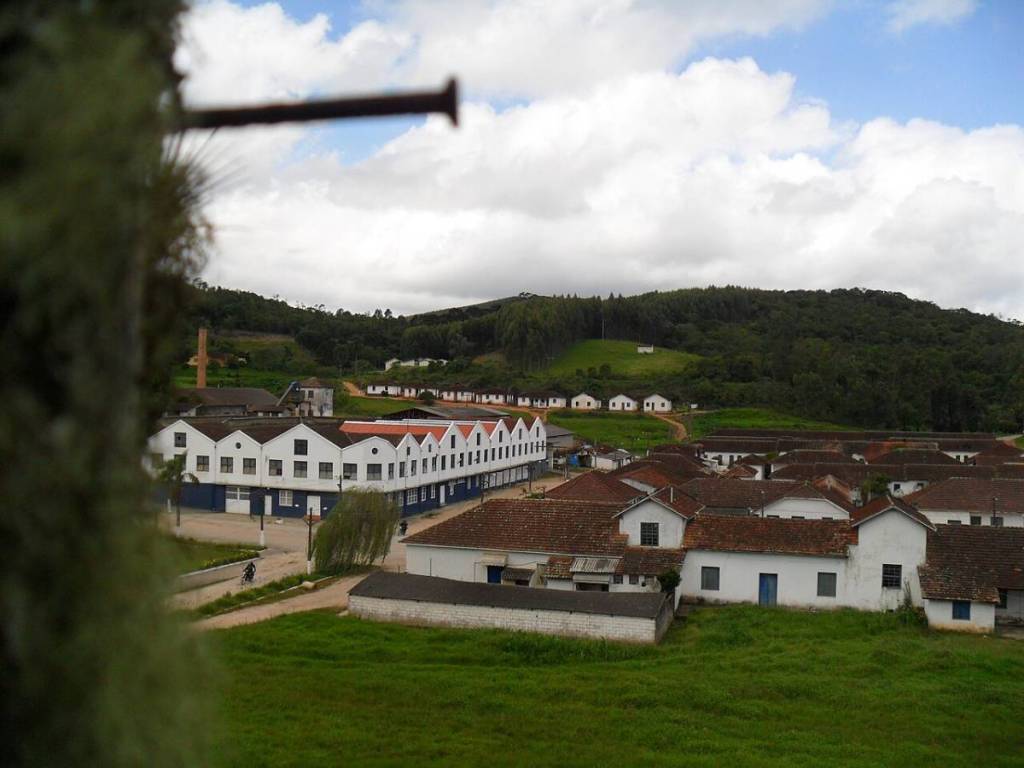
Piedade has also established itself as an excellent destination for rural and culinary tourism. The city, located about 130 kilometers from the capital, has a strong Japanese cultural influence in its cuisine, festivals, and family farms open to visitors.
Some interesting rural tourism itineraries can be found in the Vila Élvio and Itupararanga neighborhoods. In addition to guesthouses and restaurants serving home-style cuisine, visitors can also enjoy the “pick-and-pay” experience, which brings them closer to nature.
The region also features waterfalls such as Bernardo Alemão and tours of local farms offering culinary and agricultural experiences. In addition, visitors can enjoy the seasonal blooms.