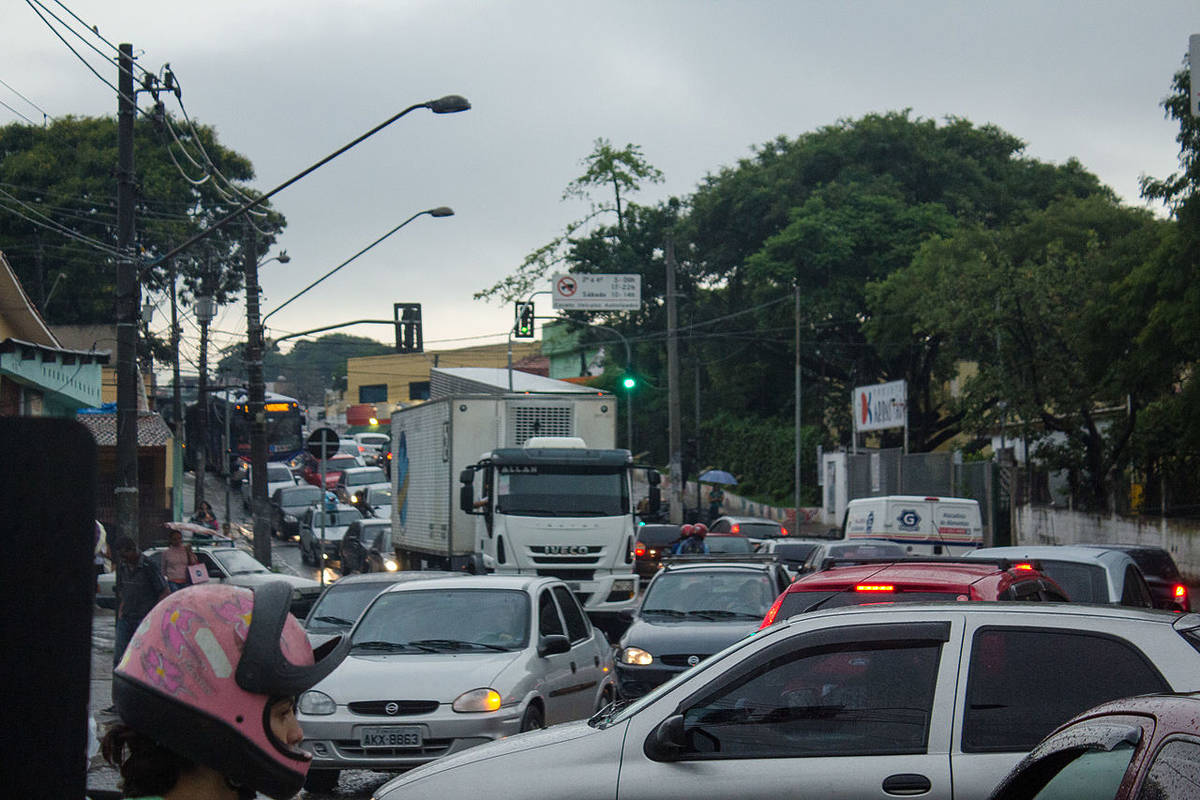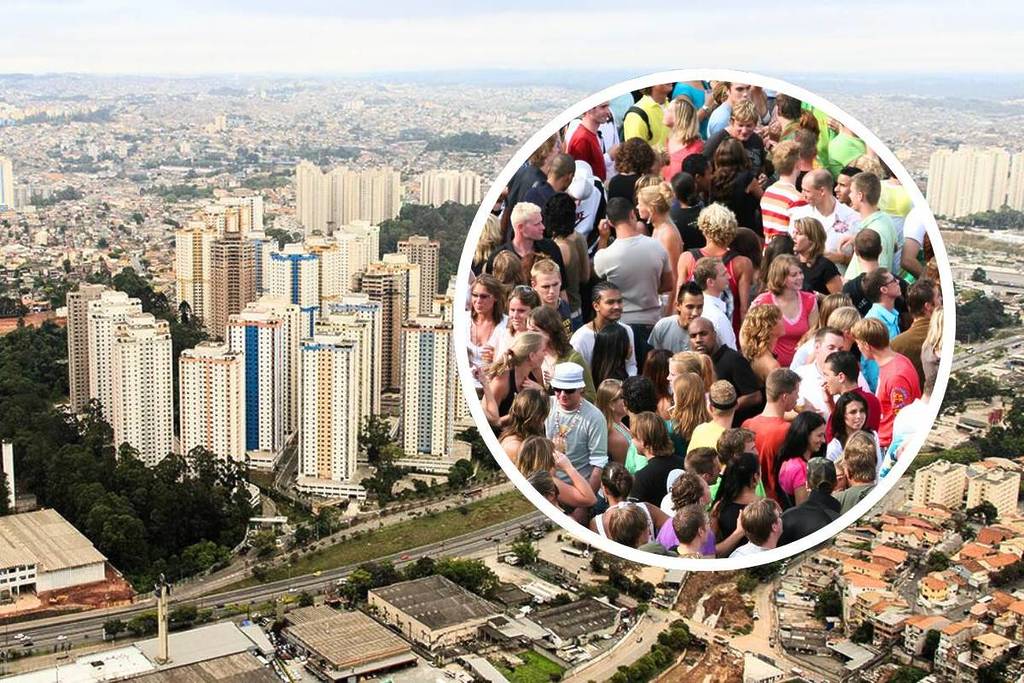
If you’ve ever been to Rua 25 de Março on a Christmas Eve, you know what it’s like to feel like you’re in a human “anthill”. But according to data from the 2022 Census, there is one city in Greater São Paulo that deserves this nickname even more: Taboão da Serra.
Located to the west of the São Paulo capital, Taboão da Serra holds the record for the highest population density in Brazil. There are more than 13,000 inhabitants per square kilometer, making it the most “crowded” municipality in the entire country.
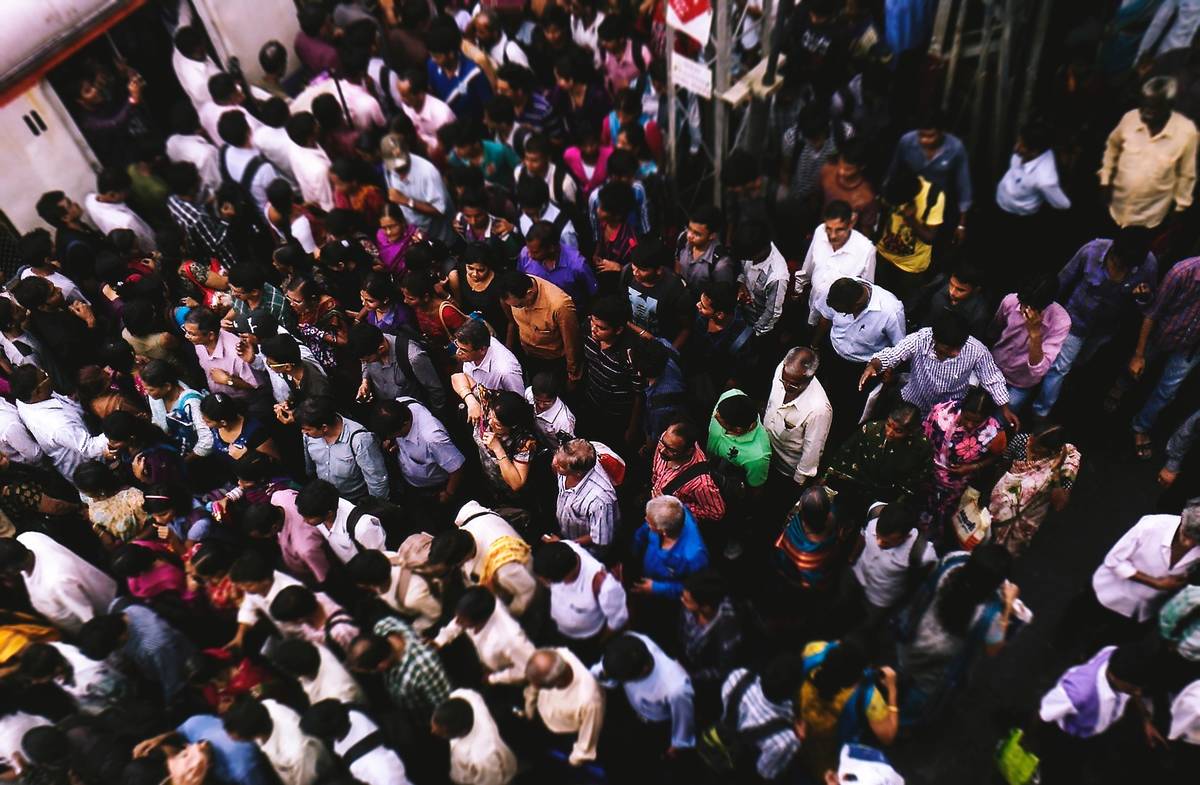
Taboão da Serra attracted migrants from the São Paulo capital
The municipality’s origins date back to the 1910s, when a community called Vila Poá sprang up in the region. Covering just 20 square kilometers, the small village was predominantly rural and belonged to the municipality of Itaperica da Serra. It was only emancipated in 1959.
After becoming a municipality, Taboão da Serra received a number of works, such as the construction of squares, parks and schools. This development, coupled with its proximity to the São Paulo capital, generated a large influx of migrants. Thousands of workers from São Paulo moved to Taboão in the hope of obtaining more affordable housingwithout having to give up the infrastructure of the capital.
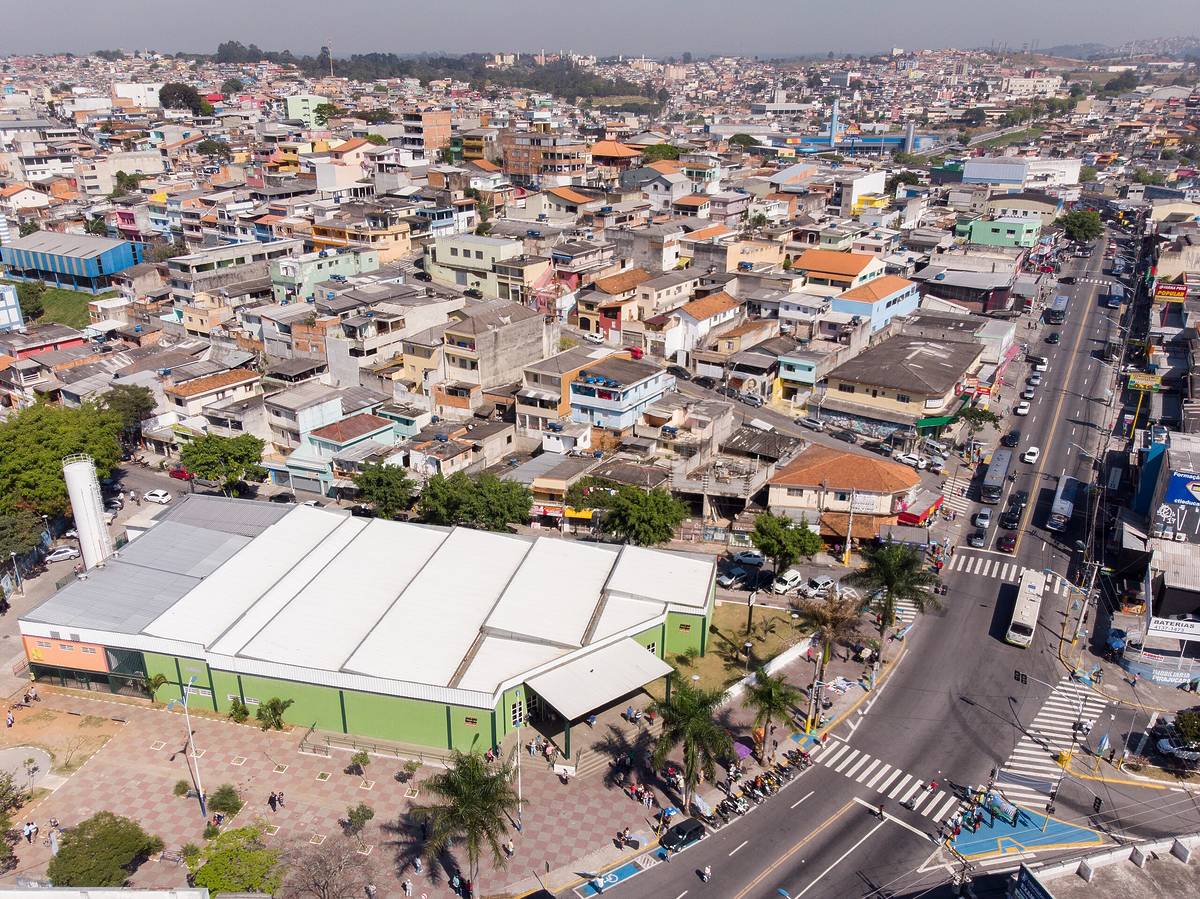
City gets tighter every day
Despite the exponential increase in its population, Taboão da Serra’s small area has remained the same. Currently, there are more than 273,000 people living in 20 square kilometers, which leads us to the information that there are 13,000 inhabitants per square kilometer.
Maybe the numbers don’t show it so well, so let’s look at a practical example using the equivalence of square kilometers to soccer fields. Taboão da Serra’s population density is equivalent to 13,000 people spread over 140 soccer fields – almost 92 people per field, while a soccer match has 22 players.
Currently, Taboão da Serra has an urbanization rate of 100%, i.e. there are practically no more areas available for new construction. Despite this, the population continues to growevery year, which concentrates the population even more in a restricted space and makes the “urban anthill” increasingly dense.