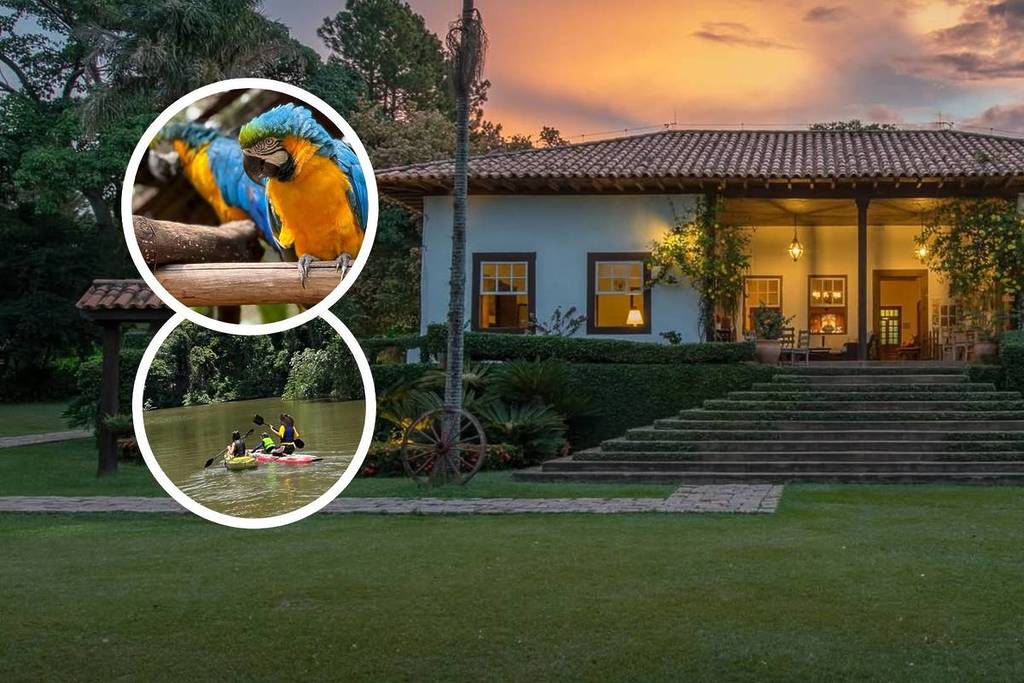

A former sugar mill and coffee plantation dating back to the 18th century, the CapoavaFarm is located in Itu, in the interior of São Paulo. With nearly three centuries of history, it has now been fully restored and welcomes guests and visitors after becoming a luxury farm hotel.
Built in the mid-1750s, the main house is a typical example of bandeirista architecture, with land granted as a sesmaria by the Portuguese Crown. The project aimed to expand western São Paulo, taking advantage of the region’s lucrative sugar cycle.
During its early years, it was known as Sítio Tanque, or O Tanque. The owners at the time had ties to descendants of Felippe de Banderborg. However, when it acquired its current name, Capoava, it was owned by the family of Leonor Garcia de Vasconcellos Noronha, who bequeathed the lands in 1870.
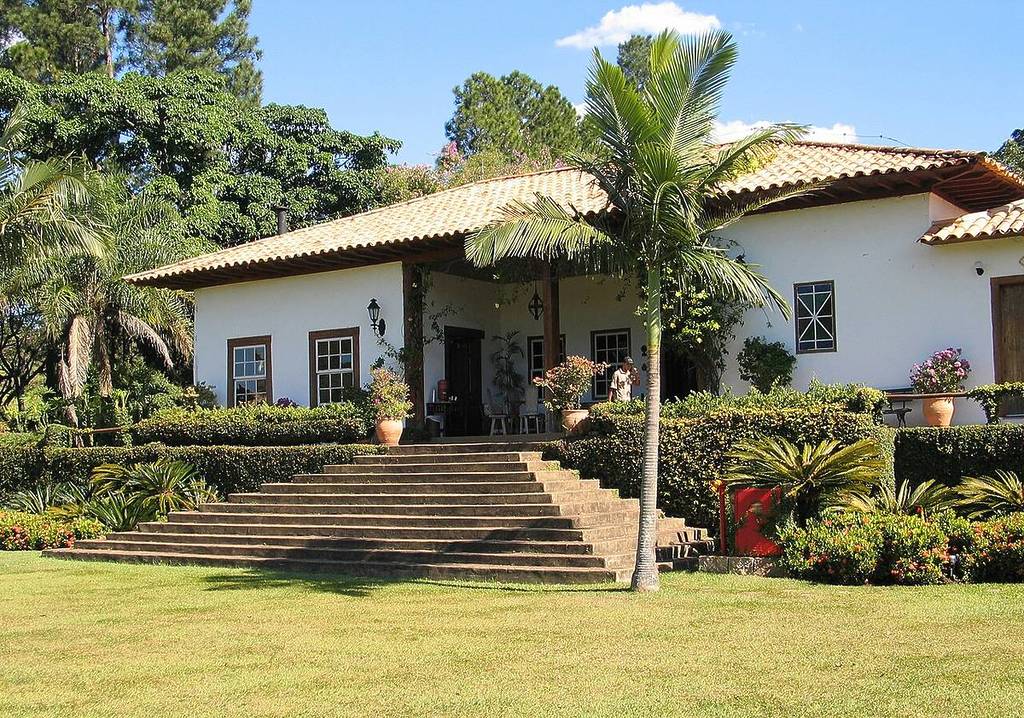
In 1811, after being sold to Virgílio Augusto de Araújo and João Guilherme da Costa Aguiar, the farm was renamed once again. This time, they called it Fazenda Japão. During this period, the partnership formed by Araújo & Aguiar focused on coffee production and livestock farming.
Meanwhile, in the 19th century, Brazil was undergoing abolition, and it was necessary to transition from slave labor to Italian settlers. At that time, the farm remained significant in the coffee industry, continuing in this role until the early 1940s. From then on, beef cattle raising and milk production began.
Years later, after passing through other owners, in 2000 the couple Paulo de Almeida Prado and Neca Setubal acquired the land. The name Capoava was restored, and they transformed the historic property into the hotel we know today.
In addition, the farm is part of the Roteiros de CharmeAssociation. This organization, founded in 1992, brings together high-end eco-friendly inns and hotels throughout Brazil.
3 decades of history: The Capoava Farm Museum
Today, Capoava is a microcosm of São Paulo’s agricultural history . It has witnessed various historical periods: from the Bandeirista expeditions and the height of the sugar cycle to abolition and the arrival of Italian immigrants. It has also experienced the coffee crisis, as well as agricultural transformation and modernization.
With such a rich history, it could not be left out of the itineraries of São Paulo’s historic farms. Today it promotes heritage education initiatives, has been the setting for documentaries, and is part of memory tourism projects.
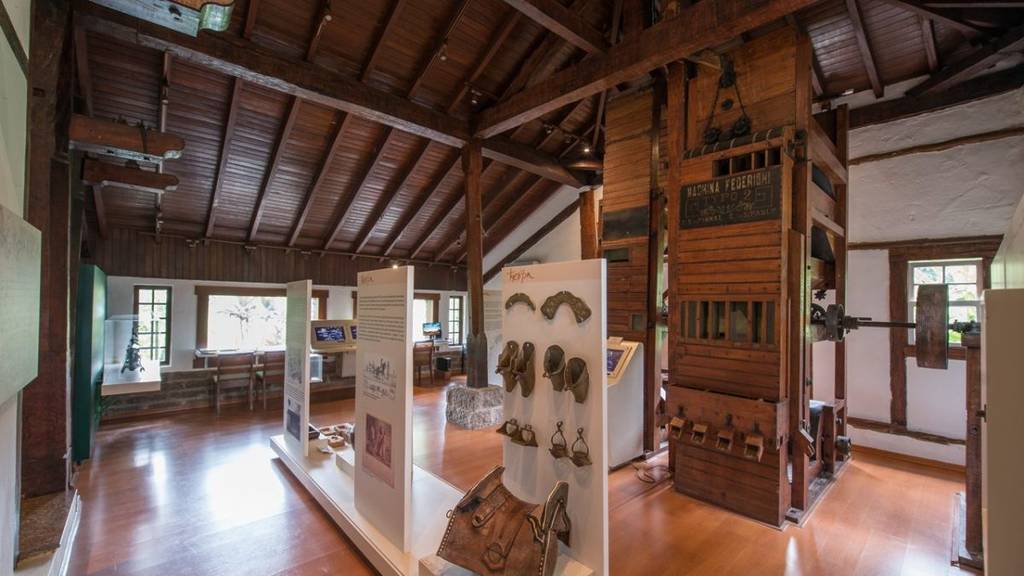
In fact, it has its own small museum. The Espaço Memória Capoava operates inside the old granary, which was renovated to house the collection.
Conceived by owner Neca Setubal, the attraction aims to tell the farm’sstory. It focuses on daily life, food culture, coffee production, and livestock farming, as well as the role of women on the farm.
How to visit the farm?
In general, the hotel accepts reservations for overnight stays and day use. The itinerary includes all meals, as well as tourist activities.The museum, meanwhile, welcomes both guests and outside visitors, subject to prior reservation .