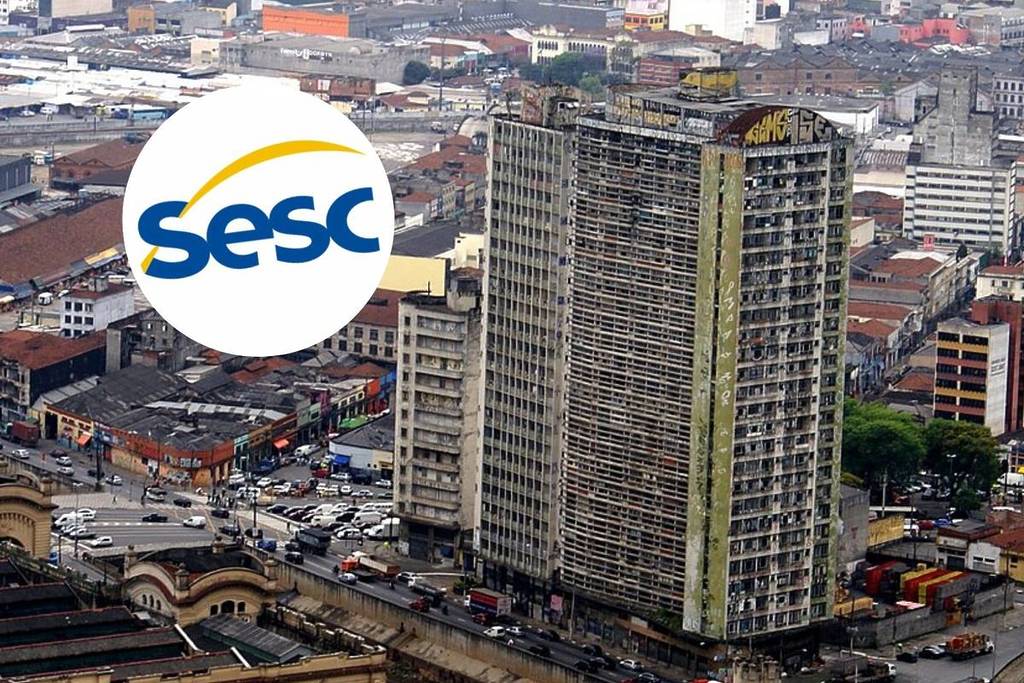
The iconic Treme-Treme (Shaky Shaky) got its peculiar nickname because it vibrated when heavy vehicles passed by, but the real name of this concrete giant is Edifício São Vito(São Vito Building). It is also labeled a “vertical slum” due to its abandoned status and the number of people it has housed.
The 27-story building was located at 3179 Avenida do Estado, in Parque Dom Pedro II. It was built as public housing and soon became an icon of downtown São Paulo, both for its size and its modernist architecture.
The evolution and challenges of the structure
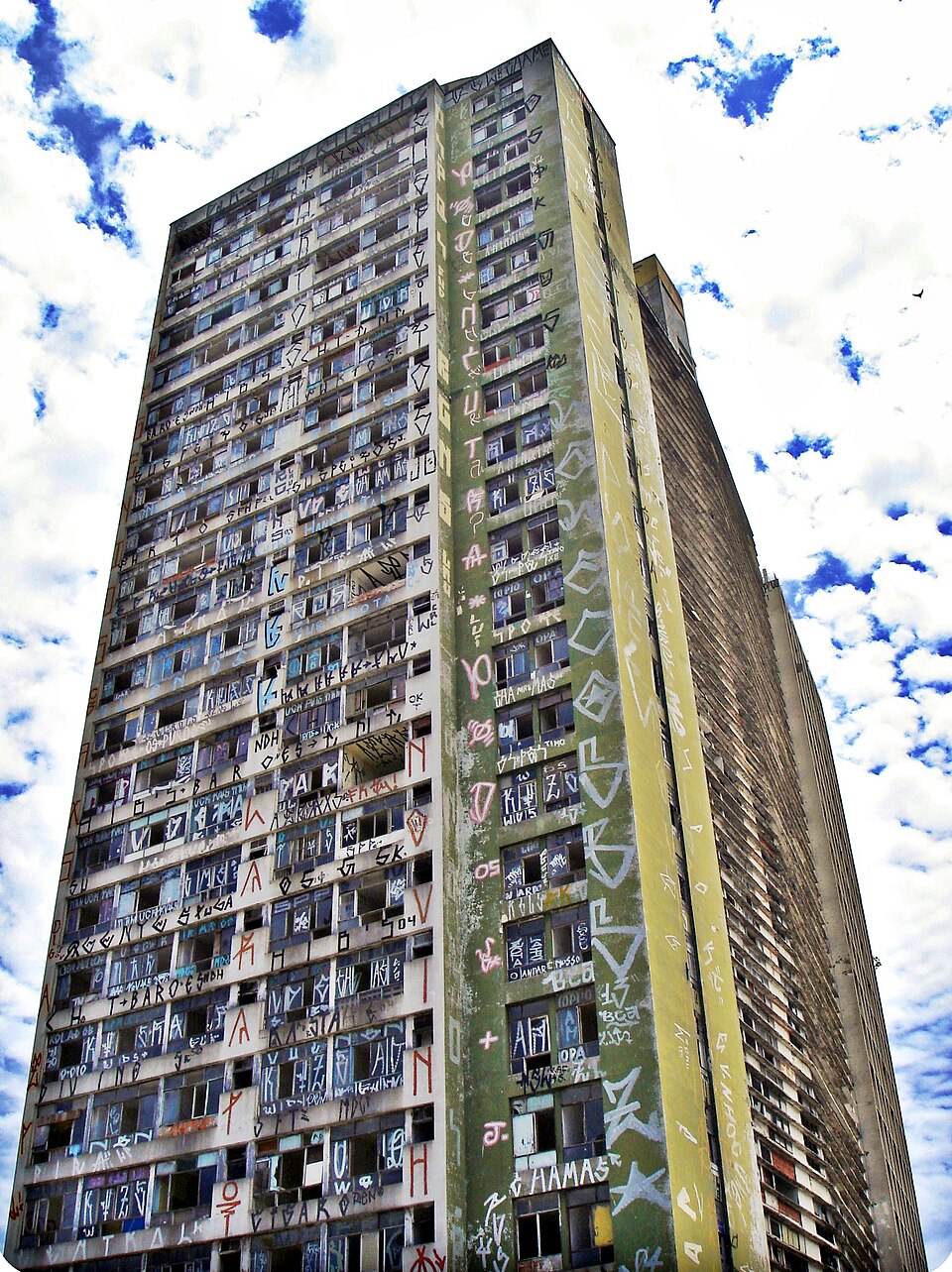 Photo: wikipedia/LiaC
Built in 1950, the São Vito Building had the modern proposal of serving young people and small families who wanted to live in the city center. The project had more than 600 compact housing units, very similar to the studios that are popular today.
However, in 1970, decline set in due to a lack of maintenance and repairs. To make matters worse, residents made some structural changes, seeking a way to have more space to accommodate more people. The building became overcrowded, reaching the point of having 10 residents per studio apartment.
But despite the problems with its structure, Treme-Treme still housed a normal community life, like any other, with residents who formed strong friendships and bonds with each other. For them, the building was much more than a residence; it was an opportunity to live close to work and essential services.
The decline of the vertical favela and the final outcome
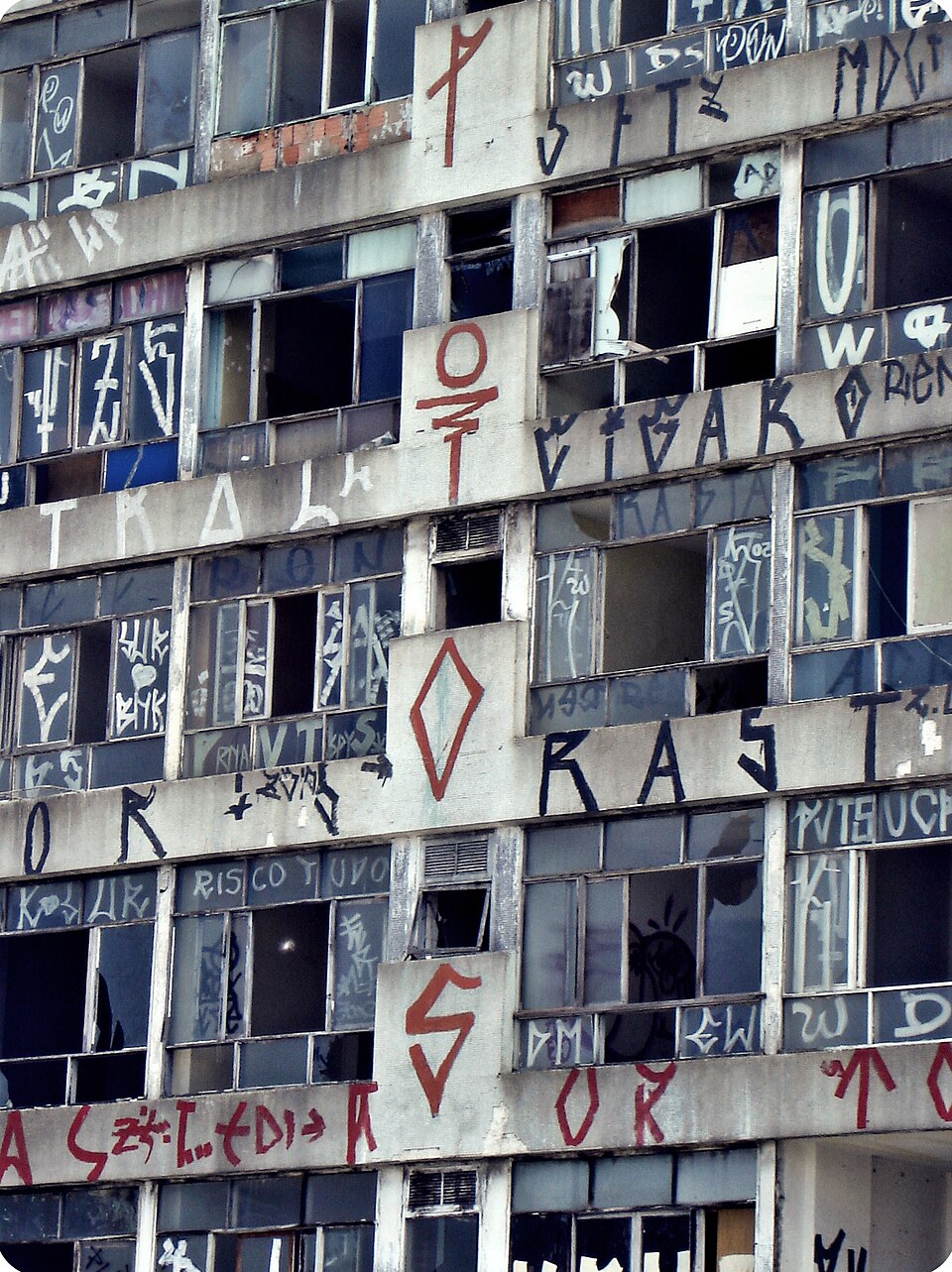 Photo: wikipedia/LiaC
The property was expropriated with the promise that it would be revitalized. The situation worsened as basic services such as water and cleaning were interrupted in recent years. The residents themselves began to make clandestine electrical connections.
All of this influenced public opinion in the surrounding area, which associated the São Vito Building with crime. The revitalization plans changed dramatically. In 2011, the municipal administration decided to demolish the structure manually so as not to damage neighboring buildings.
Today, the place that once sheltered thousands of families and young people stands empty and isolated. The site will now give way to the headquarters of SESC Parque Dom Pedro II, which will transform the address into a cultural hub for the city, with a definitive inauguration scheduled for 2026.