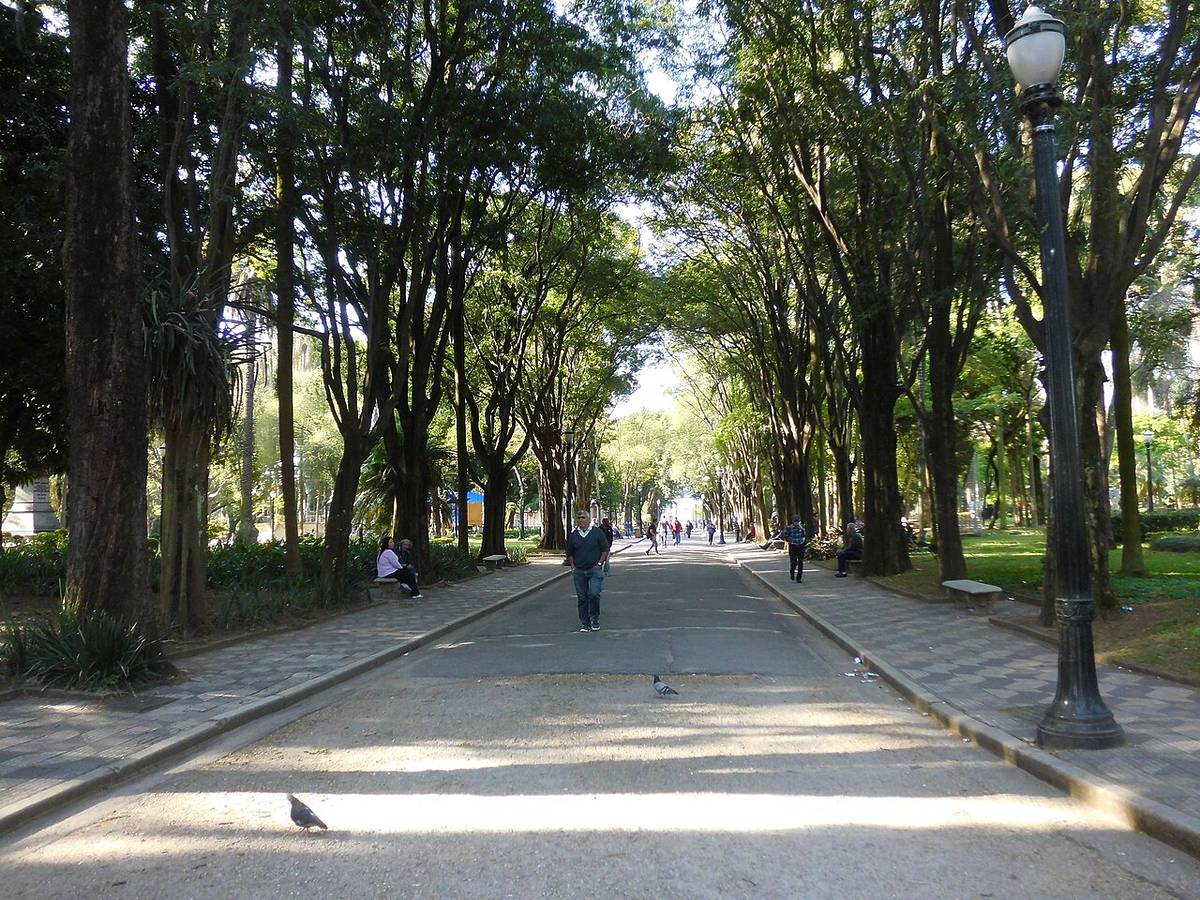
Jardim da Luz is São Paulo’s oldest park and one of the main postcards of the Historic Center. Located opposite Luz Station, the space is close to some of the city’s most important cultural centers, such as the Pinacoteca de São Paulo and the Portuguese Language Museum.
Over the course of 200 years, the park has undergone several transformations and has gone from luxury to abandonment. Although it was a stronghold of the elite in the past, Jardim da Luz has recently experienced moments of insecurity and has almost been forgotten. With the revitalization of the center, however, the space is receiving new investment and is making progress towards returning to the city’s cultural scene.
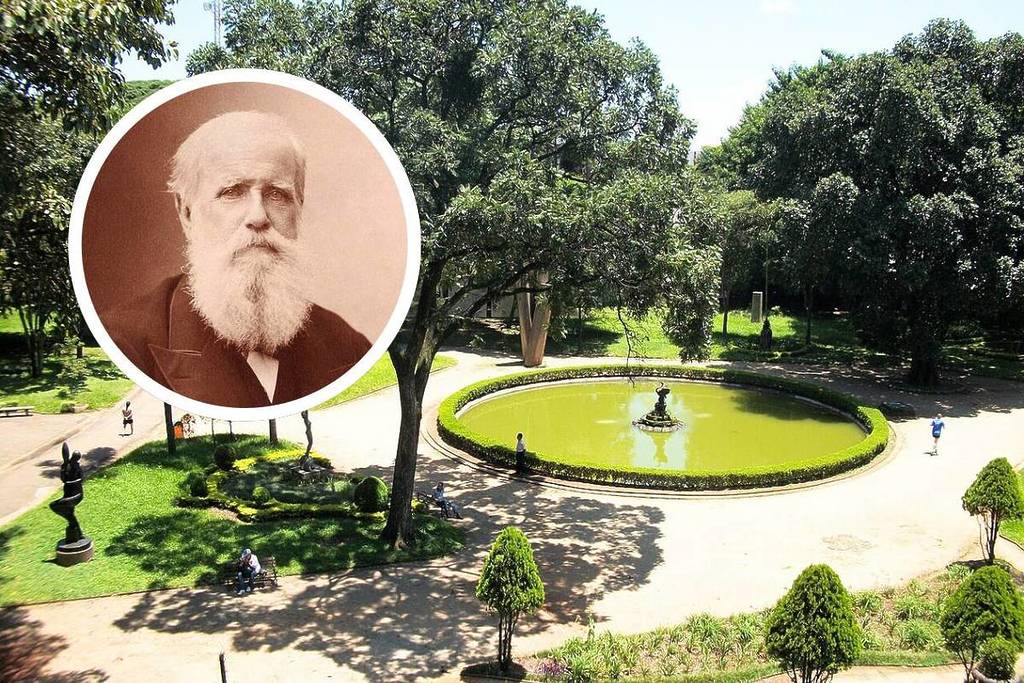
São Paulo’s oldest park was visited by Dom Pedro II
The Jardim da Luz was created in 1799 as a nursery of native and exotic plants to supply the public squares. In 1825, however, it became a public park and officially opened its doors to the public.
At the time, the park was São Paulo’s only place of leisure. It used to bring together the city’s elite and illustrious visitors, such as Dom Pedro II, who visited it in 1846 during one of his visits to the city.
Over the course of 200 years, the garden hosted the city’s first meteorological observatory, was the first public space in São Paulo to receive electric lighting and even housed a small zoo. Given its historical importance, it became the capital’s historical and environmental heritage site in 1981.
How does Jardim da Luz look today?
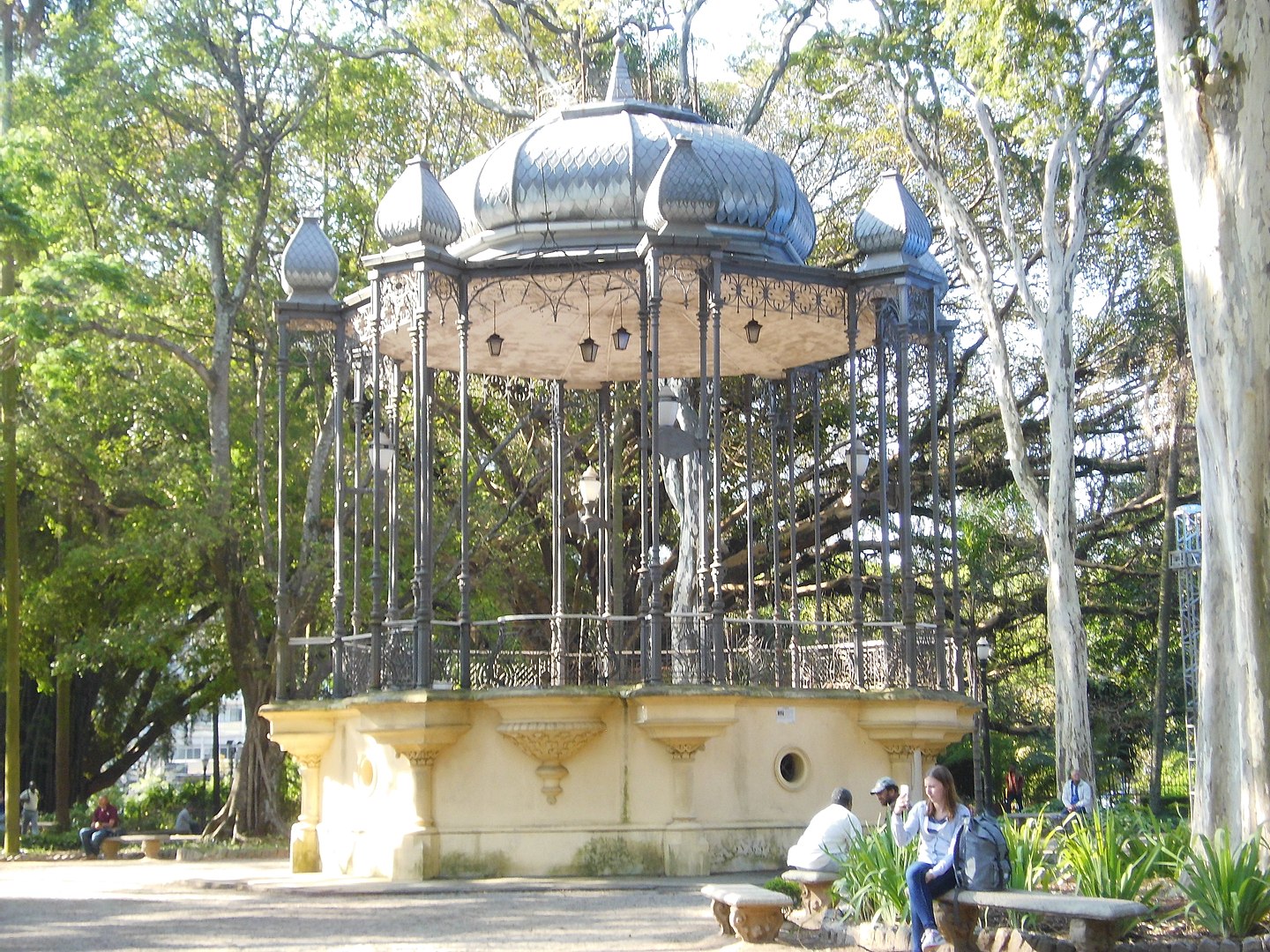
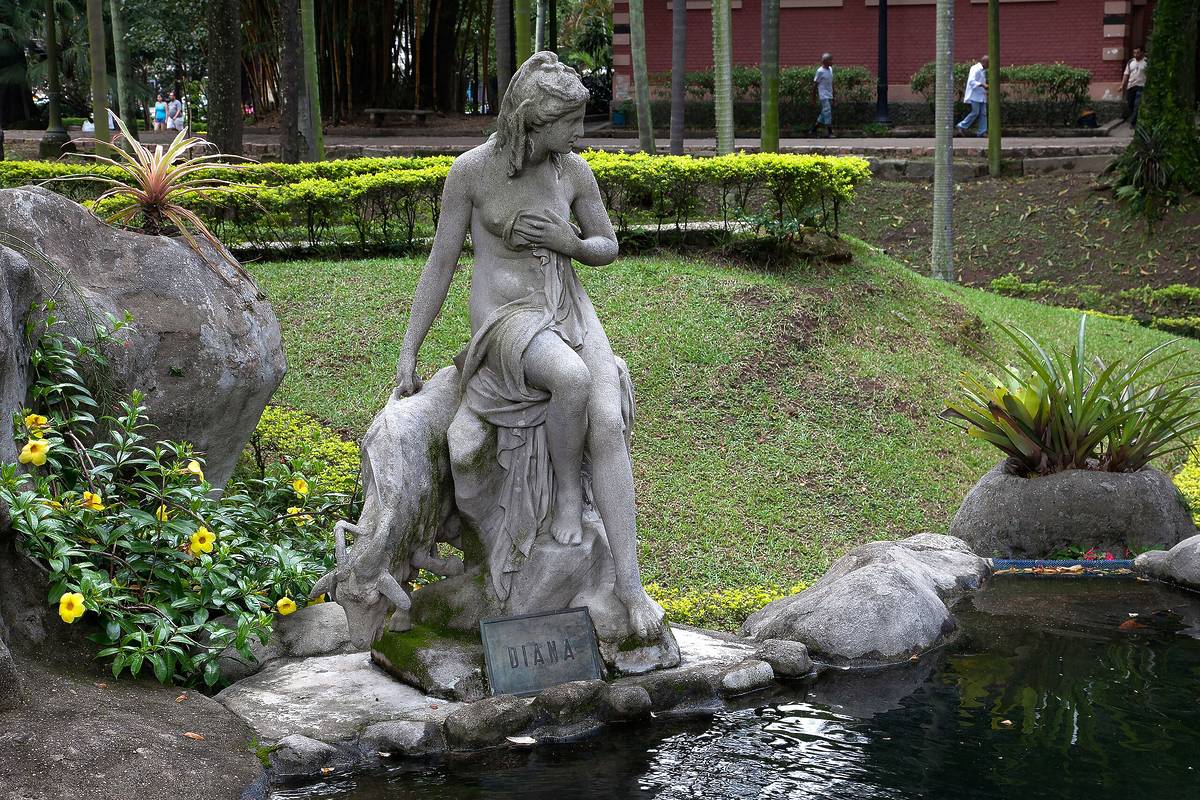
In the course of urban expansion, Jardim da Luz ended up becoming a green refuge in São Paulo. The park has 113,000 square meters with various species of trees , such as coconut palms, brazilwoods, sapucaias, pines and more. The park is also part of the city’s cultural circuit, with its open-air statues, bandstand, grotto and the ruins of the old meteorological observatory.
Despite its luxurious past, Jardim da Luz has been neglected since 1950. Without renovations and with little policing, it ended up becoming a hotspot for prostitution and drug sales, which brought a sense of insecurity that scared the population away.
Since 2024, however, Jardim da Luz has been re-emerging on the São Paulo scene. It has been heavily policed and has become a stage for cultural events, which increasingly attract the public’s attention. Thus, São Paulo’s oldest park is gradually regaining its original status, becoming a meeting point for art, culture and nature in the center of the capital.