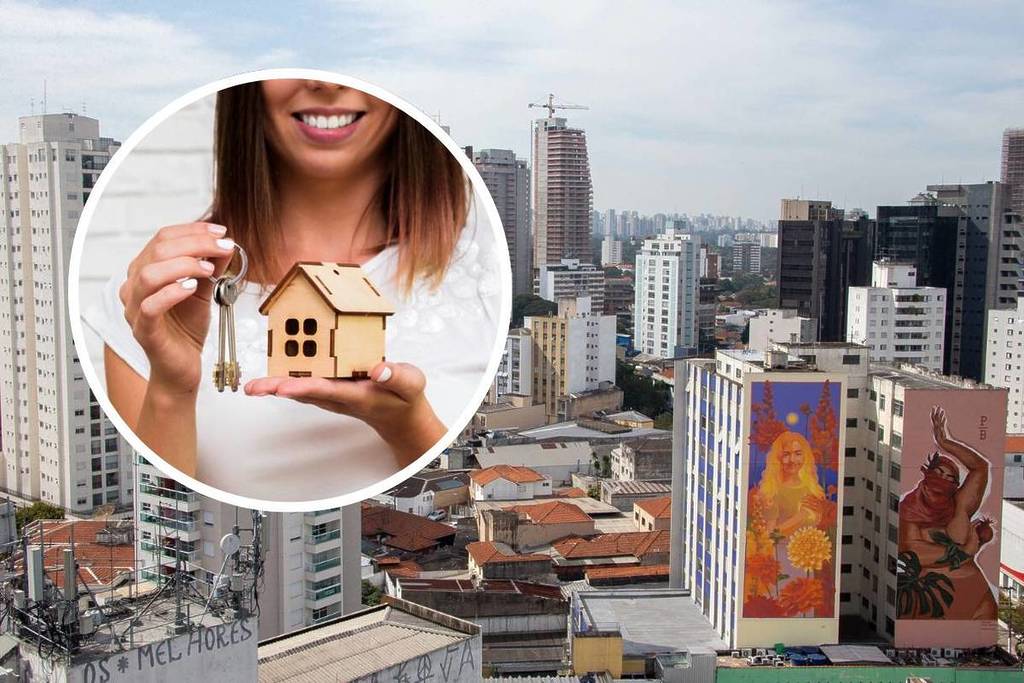
As smaller and smaller apartments reach stratospheric prices, the debate about the real estate bubble in São Paulo gains momentum. However, a recent study by Swiss bank UBS brought a surprise: the capital of São Paulo appears as the safest city against real estate bubbles among major global metropolises.
According to the Global Real Estate Bubble Index 2025, São Paulo ranks lowest in risk on a list that evaluated 21 major cities. While places like Tokyo and Zurich face sharp price increases, the capital of São Paulo recorded an index of -0.10 — the only negative and the lowest ever recorded in all editions of the report.
This means that property values in São Paulo are more in line with the local economic reality than in other major centers around the world.
 Photo: Freepik
What is a real estate bubble and why did São Paulo stand out in the report?
A real estate bubble occurs when property prices rise much faster than average income and rental values. The phenomenon generates artificial appreciation that is not sustainable in the long term: when the “bubble bursts,” values plummet. Thus, those who bought during the boom may be stuck with expensive financing for a property that is no longer worth what it cost.
The UBS study measured this risk using metrics such as the increase in mortgages relative to GDP and the comparison between sale prices , income, and rent. The indicators show that real property prices in São Paulo fell by 25% between 2014 and 2022. Since then, they have remained stable due to high interest rates, which prevent uncontrolled increases.
Thus, the city most secure against real estate bubbles is not the one where everything is cheap, but rather where prices do not deviate excessively from the financial capacity of the population.
 Photo: Freepik
How does this change the lives of São Paulo residents?
The stability pointed out in the report suggests greater protection for those who wish to purchase their own property. After all, the risk of sudden price drops is lower, offering a little more predictability for the buyer.
However, this does not mean that prices are affordable. Although the risk of collapse is minimal, the cost of living remains challenging: rents have risen by approximately 5% in the last year and 25% since 2022. In other words, the “safe market” label puts São Paulo on the global map, but it does not end the debates on access to housing and social inequality.
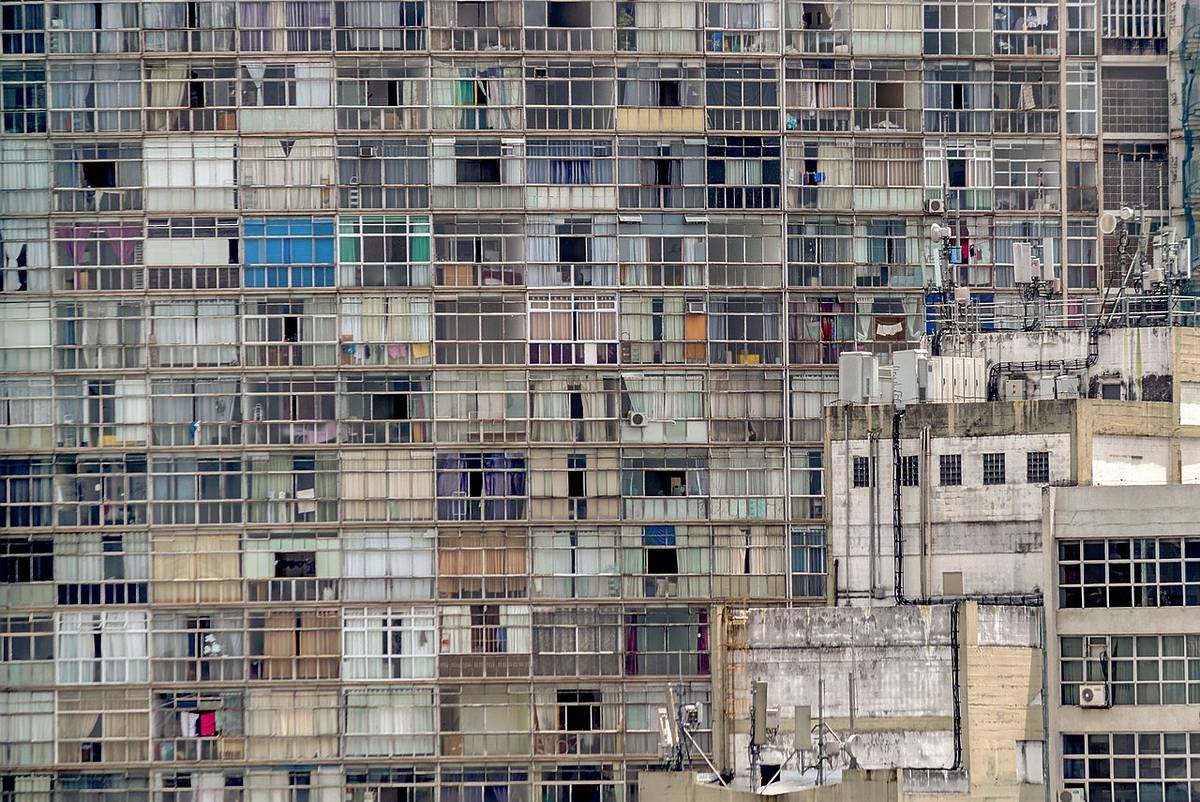 Photo: Rodrigo.Argenton/Wikimedia Commons