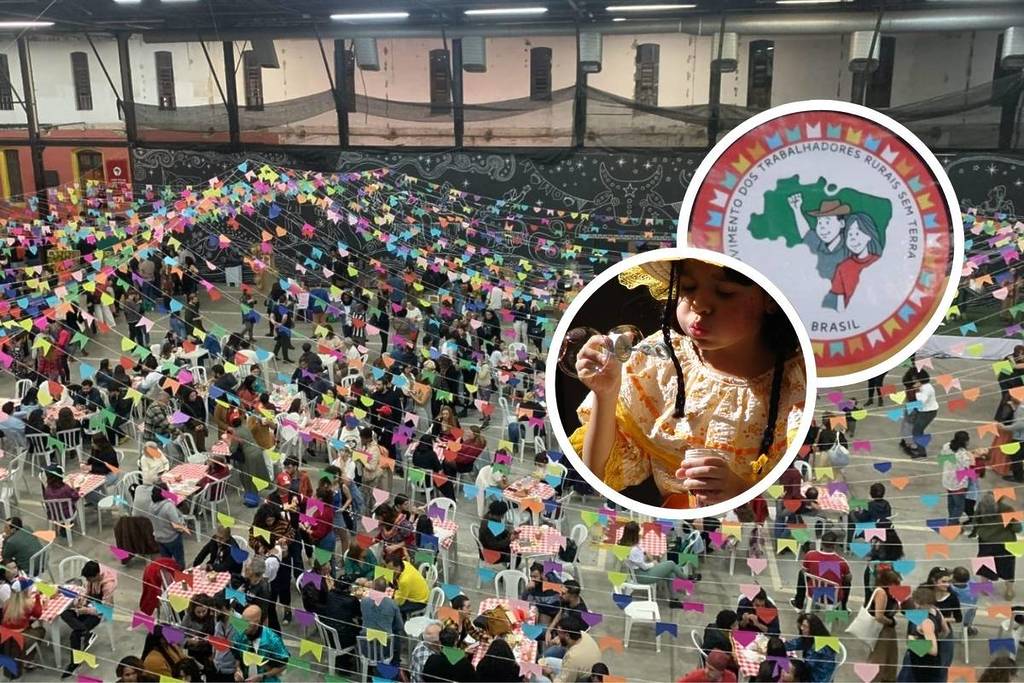

The MST Arraiá arrives to round out the month of June festivities! The event already celebrates our popular culture in different states across Brazil. In São Paulo, it will take place in early June at the Elza Soares Cultural Center.
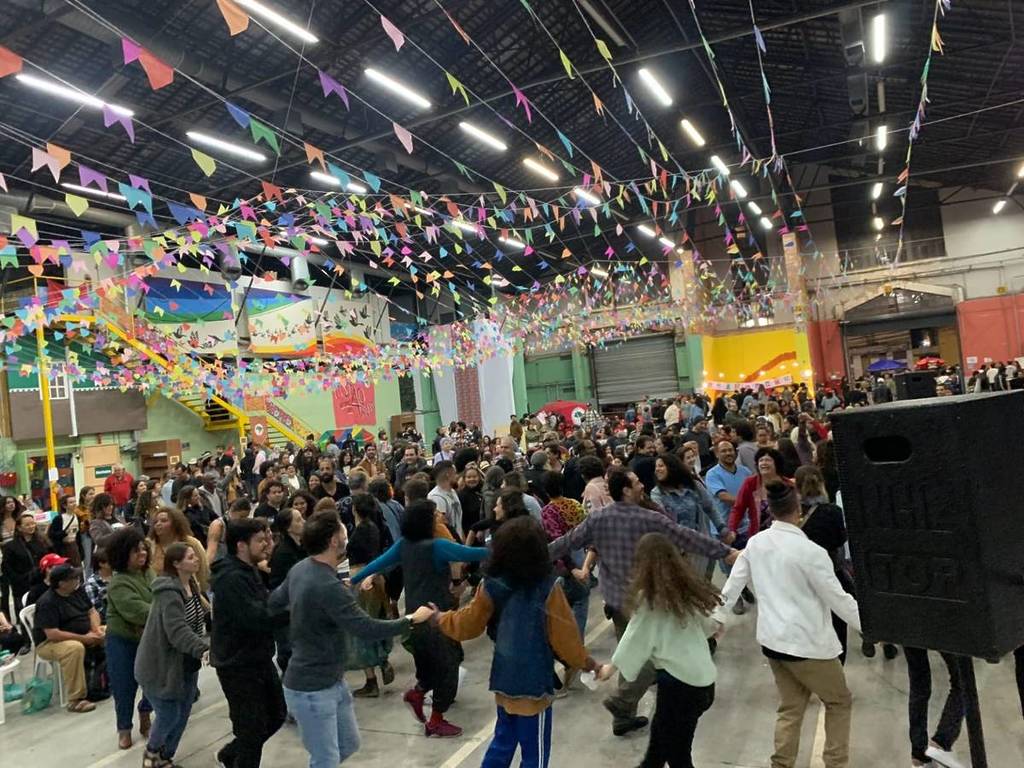
The goal is to eat and dance a lot, as well as participate in cultural activities. All in an effort to bring the city closer to the countryside and promote popular agrarian reform. In addition to defending the struggle for land and food sovereignty.
The festival grew out of the tradition of June festivals in peasant communities. The MST began organizing its own festivities in the 2000s, using the occasion to discuss politics while celebrating regional culture.
Many of the celebrations across Brazil began with no resources, growing through funding from bingo games, raffles, and with the support of local businesses and the community. Currently, they rely on cultural partnerships and public grants, but even with this professionalization, the movement has not lost its community identity.
In fact, the festivals have strong public appeal, especially among young people. The Landless Youth play a prominent role in the June festivals; they are responsible for the quadrilha dances, the organization, and the event’s staging.
Program for the MST Arraiá 2026
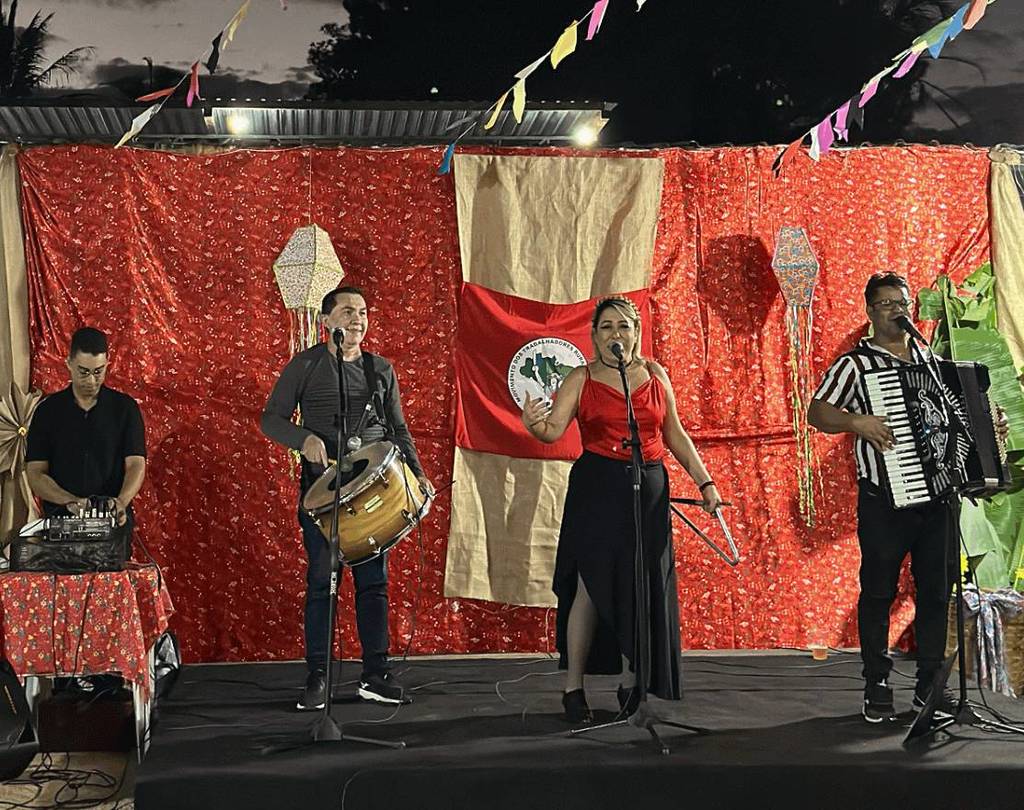
Although the full musical lineup has not yet been finalized, the audience can expect traditional June festival rhythms such as forró, baião, xote, and other Northeastern Brazilian styles. The stage will typically feature regional bands and guest artists.
In addition, the festival also features performances by quadrilha dance groups. What sets these apart are the stories told during the performances, which address themes such as the struggle for land and resistance.
And, of course, classicJune festivities like bingo, the “elegant mail” game, fishing, and games for all ages.
Culinary highlights of the festival
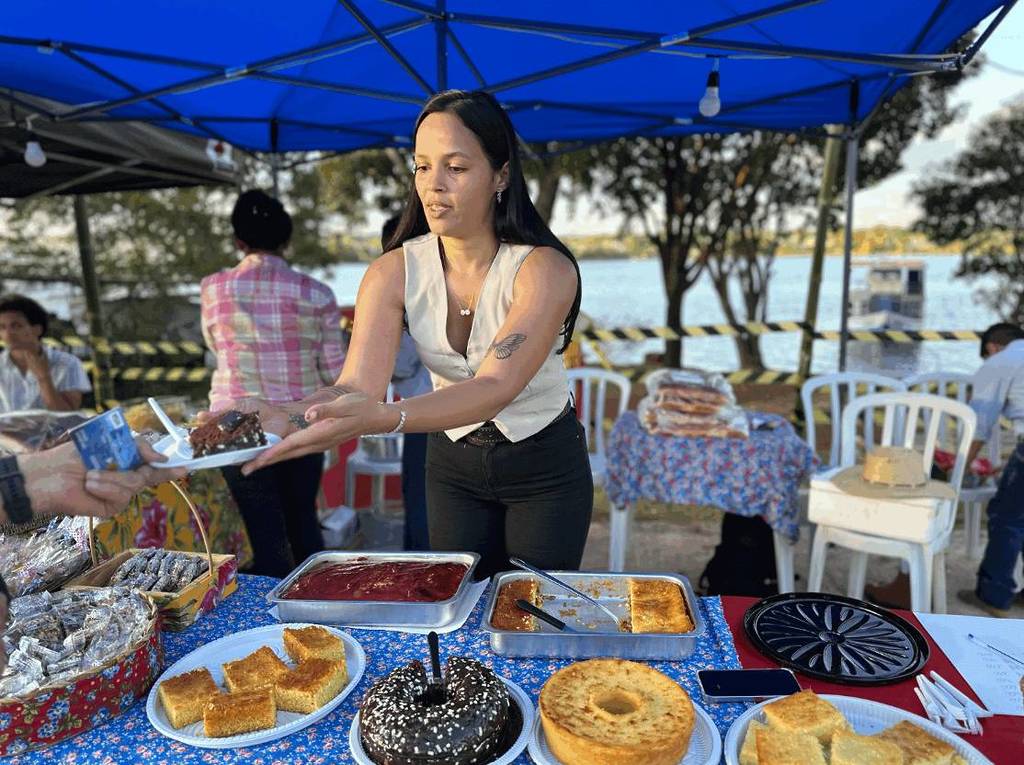
The main attraction of the event is the food. With the MST as the main organizer, the public can expect dishes prepared with agroecological ingredients. That is, food and drinks produced in MST settlements and camps, thereby valuing and strengthening the peasant production chain.
The menu features typical June festival dishes. Such as couscous, baião, green corn, popcorn, curau, rice pudding, cakes, and everything a traditional arraiá is entitled to.
How can you participate?
This year, the festival takes place on June 12 and 13 at the Elza Soares Cultural Center in the city center. It is scheduled to run from early afternoon until early evening. Admission is free, and visitors pay only for what they consume at the food stalls.