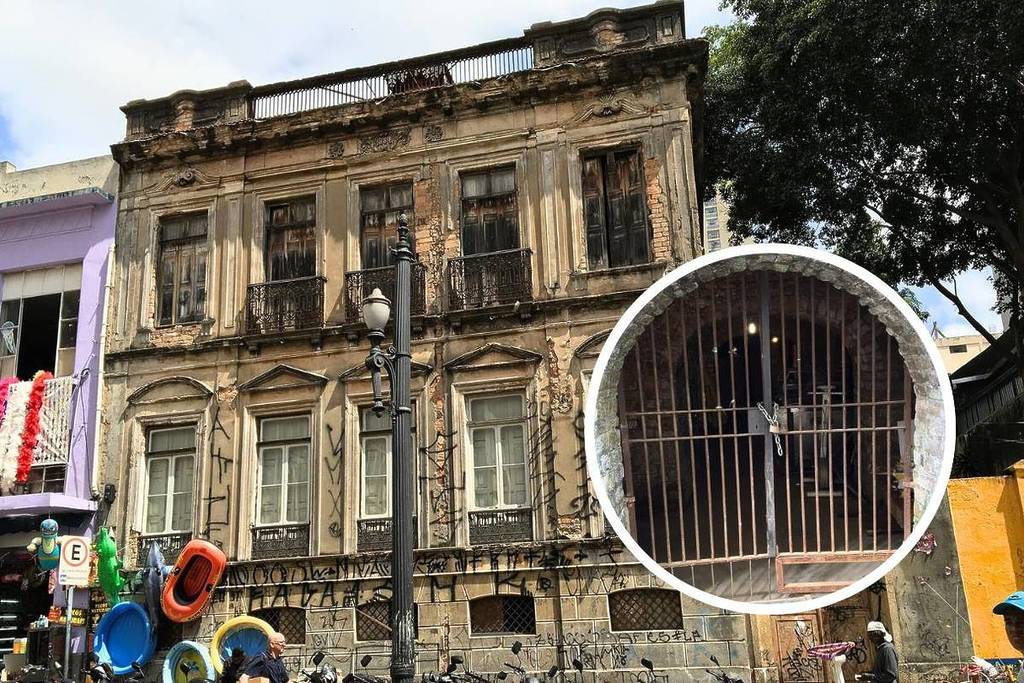
Casarão Marieta Teixeira de Carvalho is one of the forgotten treasures of São Paulo’s historic center. Overshadowed by graffiti and sidewalks covered in garbage, the property goes unnoticed by those who pass through the area. However, a closer look reveals remnants of an elegant and imposingbuilding whose architecture is wearing out after almost 150 years of existence.
Sobrado was home to a senator from São Paulo’s elite
The sobrado was inaugurated in 1878 as the residence of Senator and merchant Carlos Teixeira de Carvalho, an important figure in São Paulo‘ s elite. It was one of the first buildings to use brick masonry in São Paulo, along with the French rammed earth technique.
The historic mansion became a São Paulo heritage site in 1981, but changes in the profile of the Historic Centre and a lack of investment have led to its deterioration. There have been several proposals to restore the building and set up a cultural center there, but none of the projects have come to fruition due to a lack of funds.
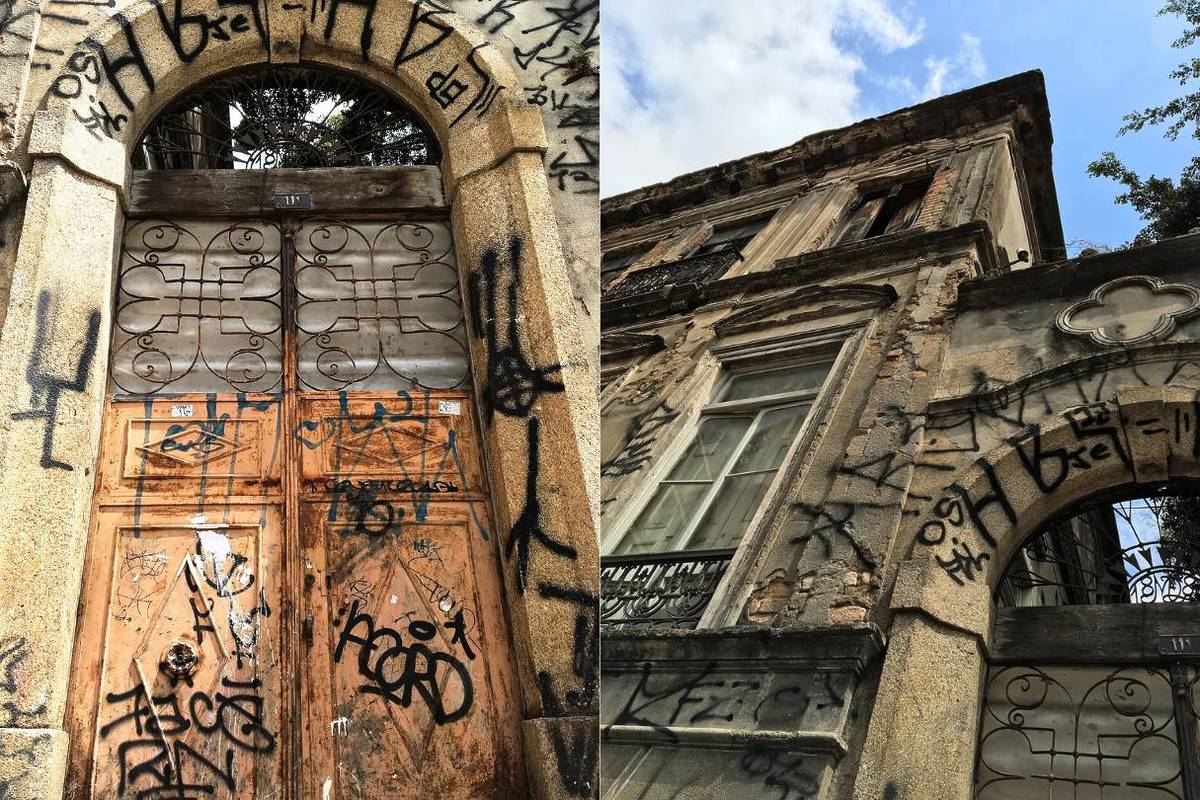
The current state of Casarão Marieta Teixeira de Carvalho
After 147 years, Casarão Marieta Teixeira de Carvalho is still standing, although it shows obvious signs of abandonment. The façade, full of graffiti and accumulated garbage, hides the building’s centuries-old beauty and contributes to its deteriorated appearance. The interior also needs care: there is mold on the walls, accumulated dust and exposed bricks.
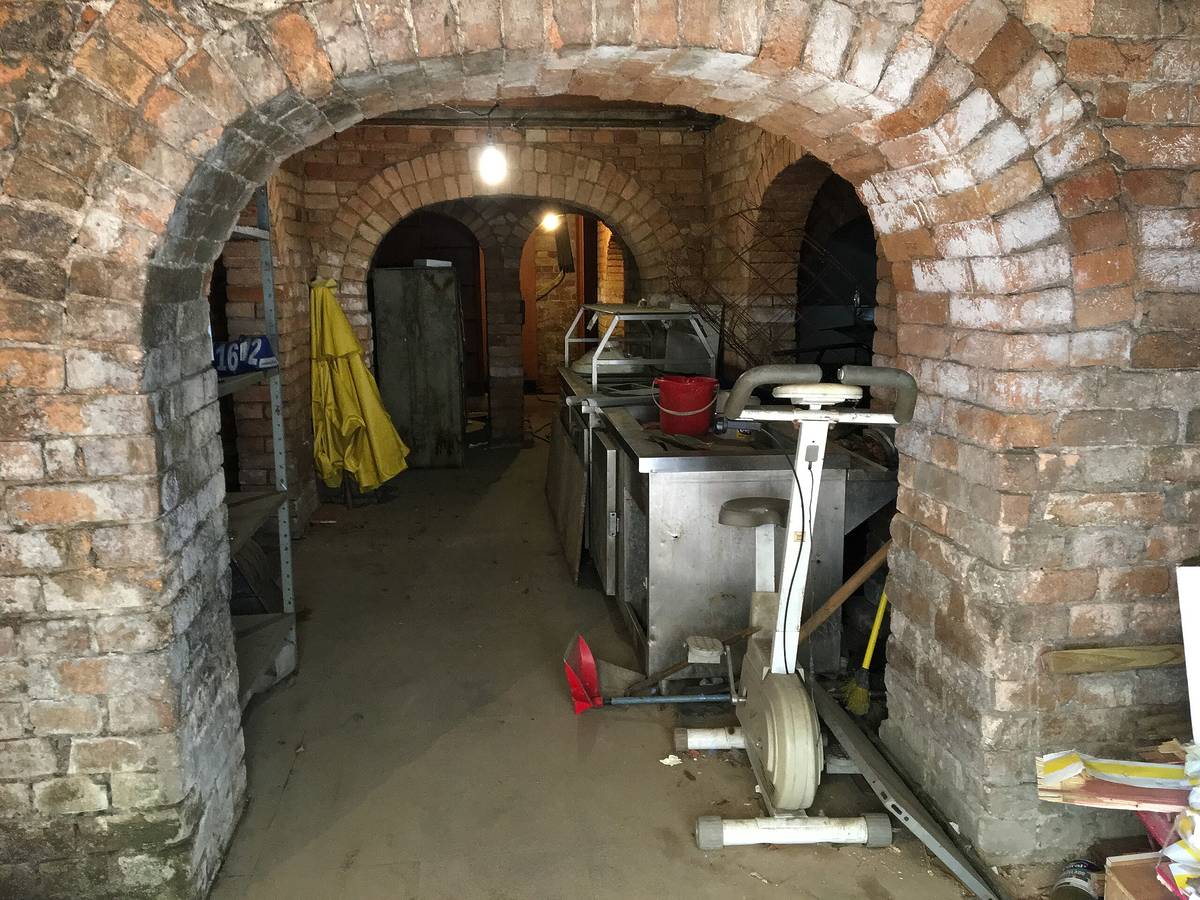
The historic sobrado ceased to be a residence for the elite and became the warehouse of the São Bento Monastery, which is currently responsible for its administration. The basement, which served as a slave quarters in the 19th century, now houses the monastery‘s documents, equipment and materials.
Even so, Casarão Marieta Teixeira de Carvalho still has the potential to become a cultural center if there are enough resources and interest to revitalize the space and guarantee its preservation for future generations of São Paulo residents.