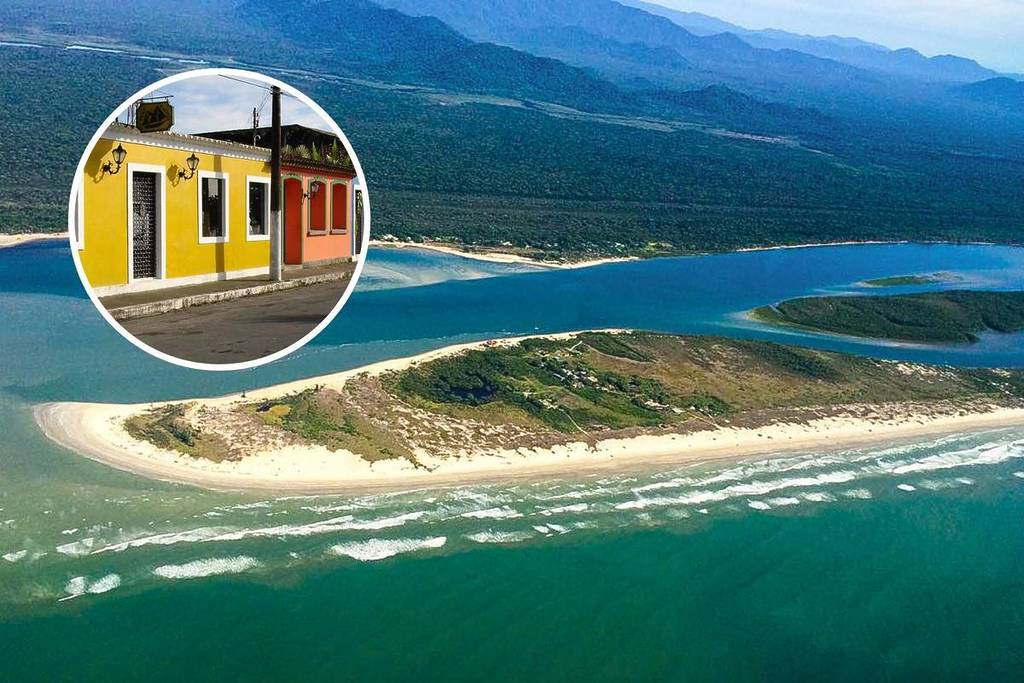

For those seeking destinations off the beaten path, it’s a good idea to discover what to do in Cananéia. Located on an island at the southern tip of São Paulo and accessible only by boat, the picturesque colonial town is a historical and ecological treasure still largely unexplored by residents of São Paulo.
The town of 12,000 inhabitants lies 265 kilometers from the capital and is, according to some sources, the oldest settlement in Brazil. Although the official title of “first city” belongs to São Vicente, local histories suggest that there was a Portuguese presence in Cananéia even before 1500, placing it on the route of destinations that preserve Brazil’s colonial heritage.
Although there is no definitive historical proof, sources indicate that the Portuguese Cosme Fernandes, the “Bachelor of Cananéia,” is said to have arrived on the extreme southern coast of São Paulo in 1498. Exiled by the Portuguese Crown, he is said to have lived among the region’s indigenous peoples even before Pedro Álvares Cabral’s expedition.
What to do in Cananéia, Brazil’s first settlement?
Ecotourism and deserted beaches in the far south
In 2022, the international guide Condé Nast Traveler named Cananéia one of the world’s best eco-destinations. Its natural beauty also led UNESCO to recognize the city as a Natural World Heritage Site, so you can expect a total immersion in nature during your trip.
Covering more than 40,000 hectares, Lagamar de Cananéia State Park is a must-see. This vast conservation area is home to deserted beaches, waterfalls, rivers, and a natural aquarium, making it the perfect place for hiking, swimming, or boat tours.
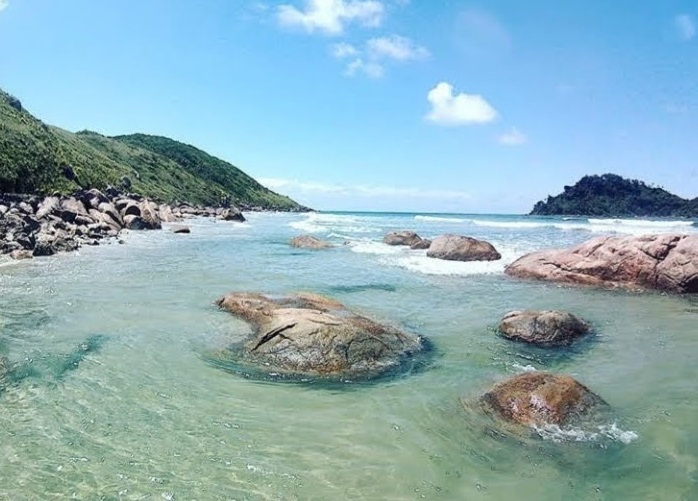
Also add Ilha do Cardoso to your itinerary, where the state park of the same name protects trails through the Atlantic Forest, waterfalls, and untouched landscapes. A highlight is Marujá Beach, whose warm, clear waters are the perfect setting to disconnect from the urban routine.
Cultural immersion in Centrinho
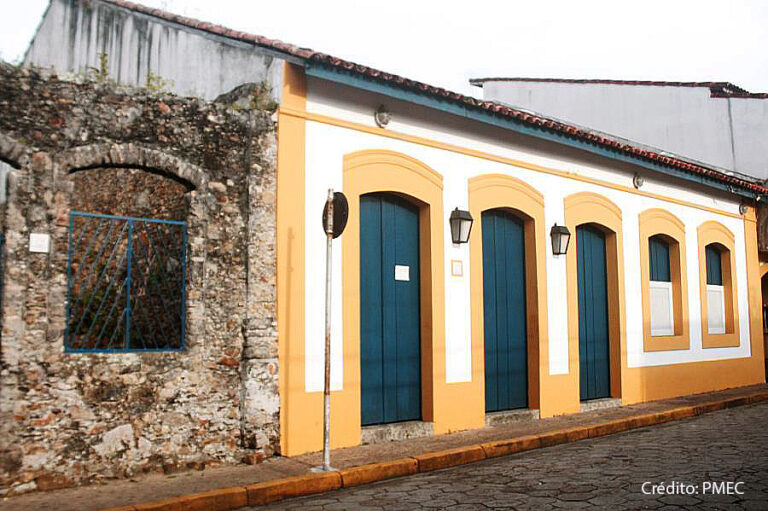
As you walk through the historic center of Cananéia, you’ll feel as though you’re visiting a town frozen in time. The area preserves cobblestone streets and colorful mansions from the 18th and 19th centuries, which lend a picturesque touch to the seaside landscape.
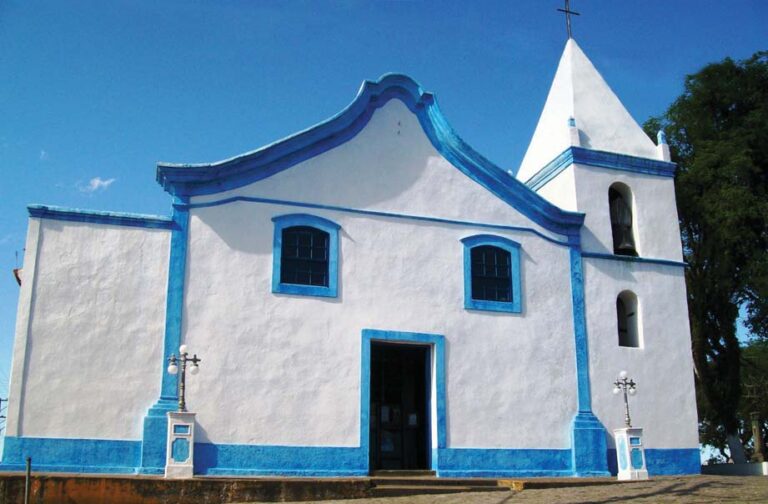
There you will also find the São João Batista Mother Church, built in 1577 as a fortress against invaders. At a time when English and Dutch pirates were raiding the region, the temple’s walls were fitted with arrowslits—small openings that allowed archers to shoot without being seen. For this reason, it is a must-see for both the faithful and enthusiasts of Brazilian history.