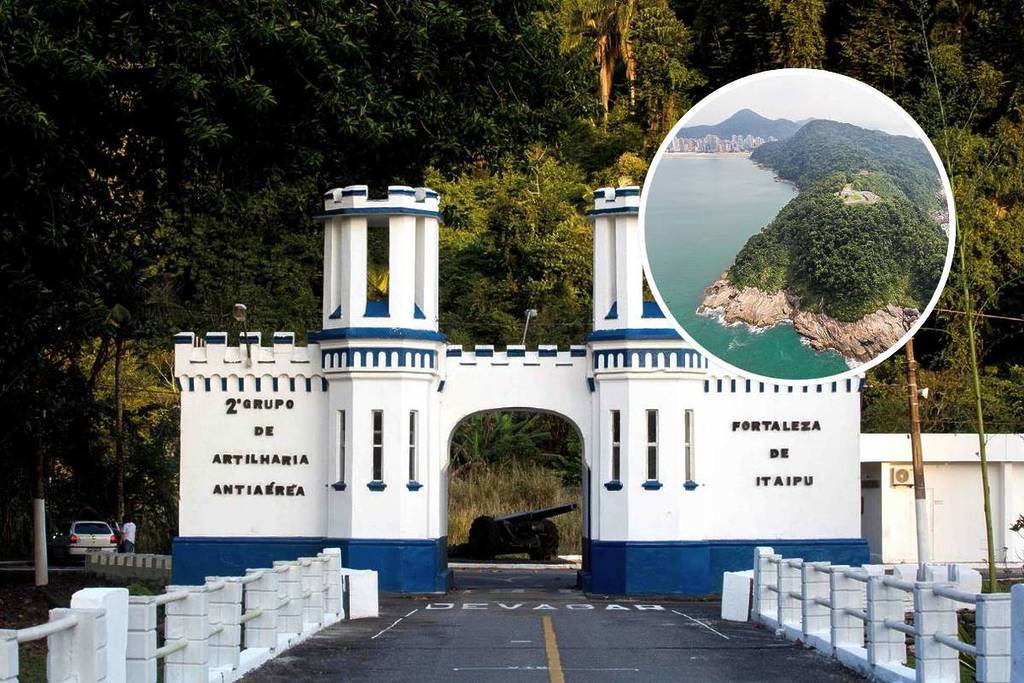

Located in Praia Grande, the Itaipu Fortress proves that the São Paulo coastline holds relics that go far beyond just swimming in the sea. The complex, which dates back to 1902, features three distinct forts, whose original purpose was to protect the Port of Santos.
The structure remains under the control of the Brazilian Army and has even housed King Pelé. The star player did his military service at the Itaipu Fortress in 1959, serving as a recruit in the 2nd Light Coastal Artillery Group (now the 2nd GAAAe), one year after winning the World Cup in Sweden.
Today, the complex preserves a century-old military architecture and trails through the Atlantic Forest, as well as lookout points with a privileged view of the Baixada Santista. Discover its history and its mysteries!
Strategic role and the complex’s secret tunnels
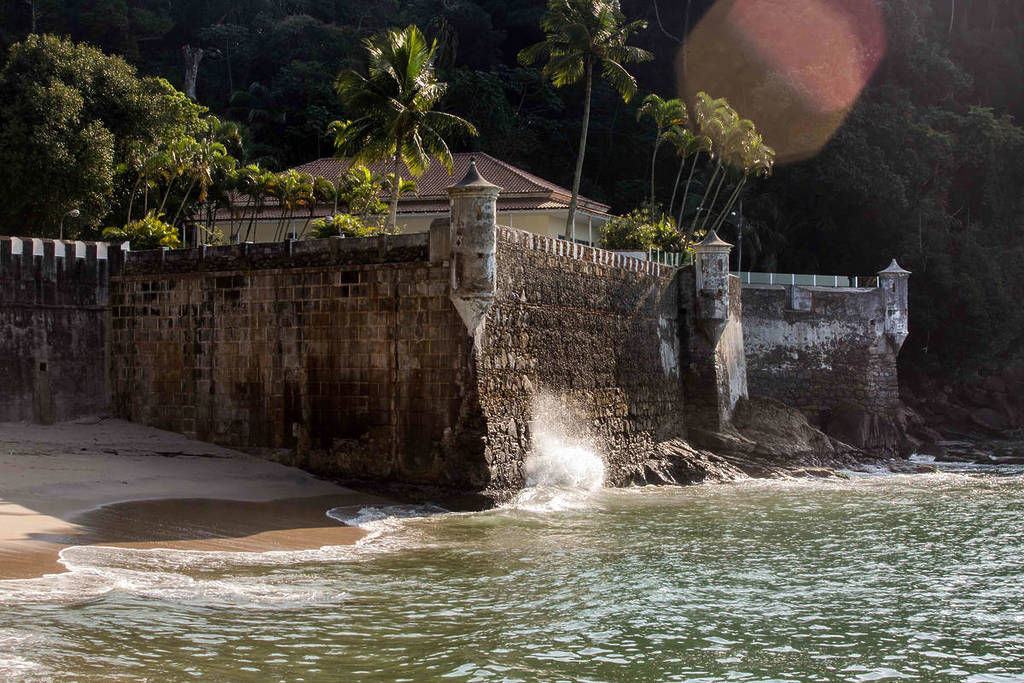
Throughout the 20th century, the Itaipu Fortress was the scene of major conflicts. During the Constitutionalist Revolution of 1932, for example, troops from São Paulo used its cannons to bombard federal government ships . During World War II, the forts became strategic vantage points for monitoring potential Axis attacks on the Brazilian coast.
An interesting fact is that, to ensure the troops’ efficiency in these conflicts, the fortress developed a network of underground passages. The tunnels connected ammunition depots and , allowing for the transport of materials without exposure to enemy air or naval attacks.
How to visit the Itaipu Fortress?
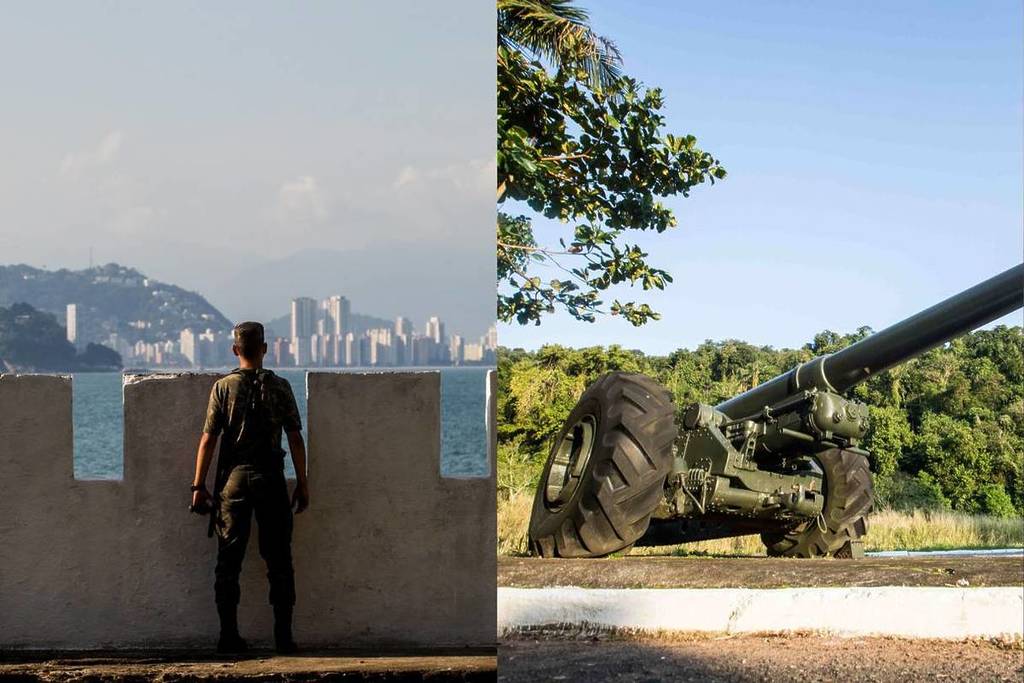
A common question among tourists is how to visit the site. To the disappointment of the curious, guided tours have been suspended since 2023 and there is no forecast for their return. According to authorities, the restriction is due to the fact that the site is an active military zone and an environmental preservation area.
We continue to hope that, in the future, the Itaipu Fortress will be reopened as a tourist attraction in Praia Grande. Until then, the hidden tunnels and imposing cannons that protected the São Paulo coastline remain accessible only in photos and in the imagination of the civilian population.