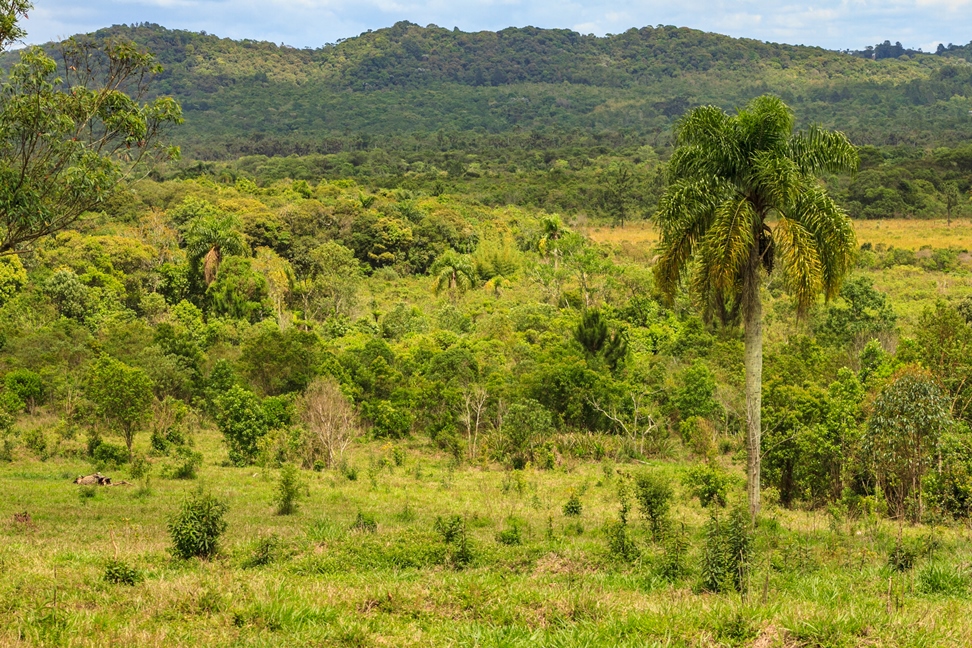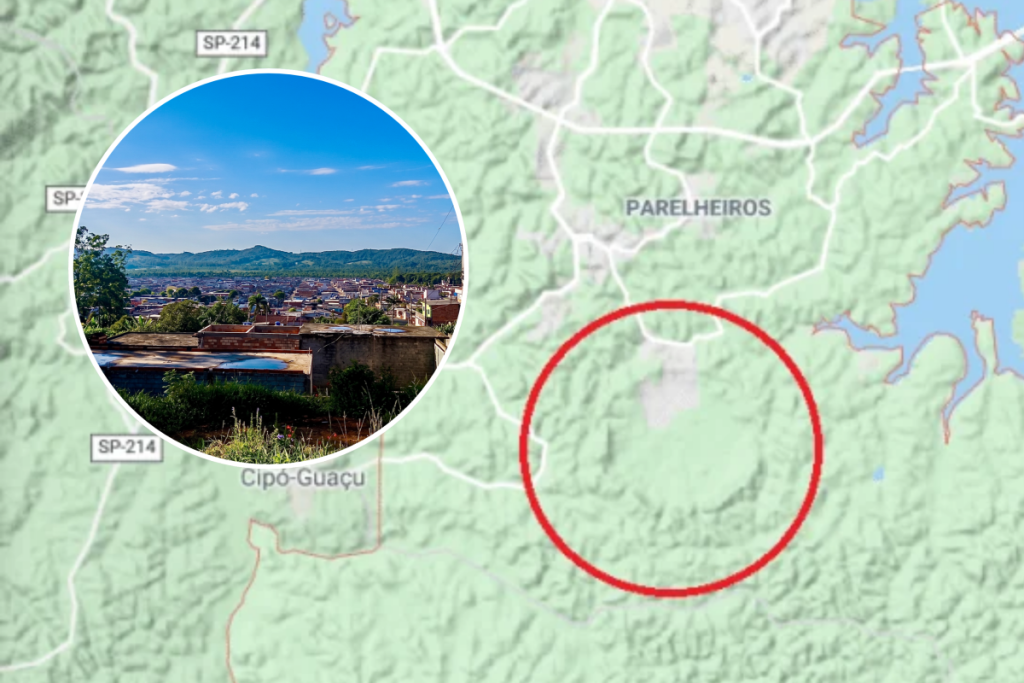

Did you know that the far south of São Paulo hides an impressive space-related legacy? The Colônia Crater was formed after the collision of a giant meteorite millions of years ago, making the capital of São Paulo home to an extremely rare geological phenomenon.
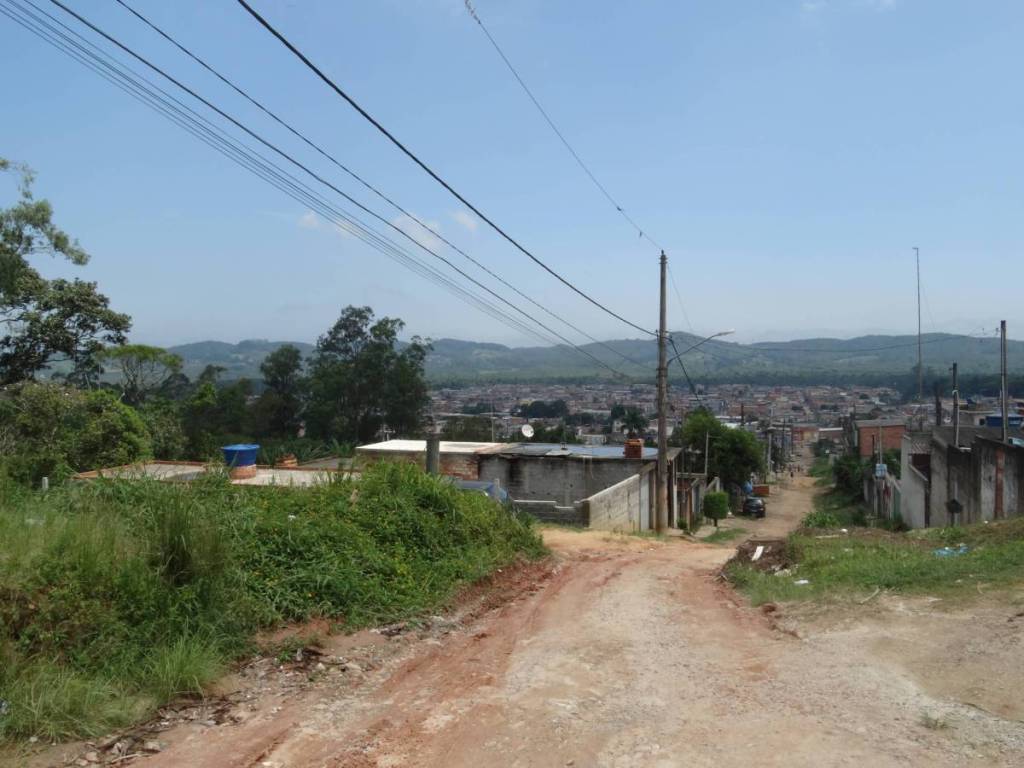
Located in Parelheiros, the Colônia Crater is striking for its immense size. Today, the area is home to a natural park and part of the Vargem Grande neighborhood, making it one of the only formations of its kind with human habitation.
Once upon a time, there was a meteorite in São Paulo…
It is estimated that the depression formed between 5 and 36 million years ago, when a 200-meter meteorite collided with the planet. The impact formed a basin 3.6 kilometers in diameter and, over the millennia, accumulated a layer of sediment 400 meters deep. Furthermore, the crater’s rim reaches a height of 120 meters!
Scientists discovered the phenomenon in the 1960s through aerial photographs and, later, satellite imagery. To date, researchers have cataloged only 70 structures of this type worldwide, and the São Paulo crater is the one closest to an urban center.
For this reason, in 2009, the area was declared a geological monument. Currently, thousands of people live inside the crater, which even houses the Parelheiros Penitentiary.
Municipal Natural Park safeguards the biodiversity of the Colônia Crater
In 2007, the City of São Paulo inaugurated the Colônia Crater Municipal Natural Park. Covering approximately 53 hectares, the conservation area protects fragments of Atlantic Forest and floodplain meadows that are indispensable to the capital. One example is the Ribeirão Vermelho floodplain, which flows into the Billings Reservoir and helps ensure the metropolis’s water supply.
The park stands out for its virtually isolated biological richness, located 35 kilometers from downtown São Paulo. Biologists have already documented 211 plant species, including endangered flora such as cedars and the jussara palm. The forest is also home to more than 240 animal species, including the tree-climbing spider, the horned toad, and the dark mountain marmoset.
Although many São Paulo residents are curious to visit the site, the Colônia Crater Natural Park is not open to the general public. Since it is a strictly protected conservation area, the city government restricts access to academic study groups and environmental research teams.
Those interested in conducting scientific expeditions in the park should schedule their visit in advance with the Conservation Unit Management Division (DEUC) by calling (11) 5187-0321.