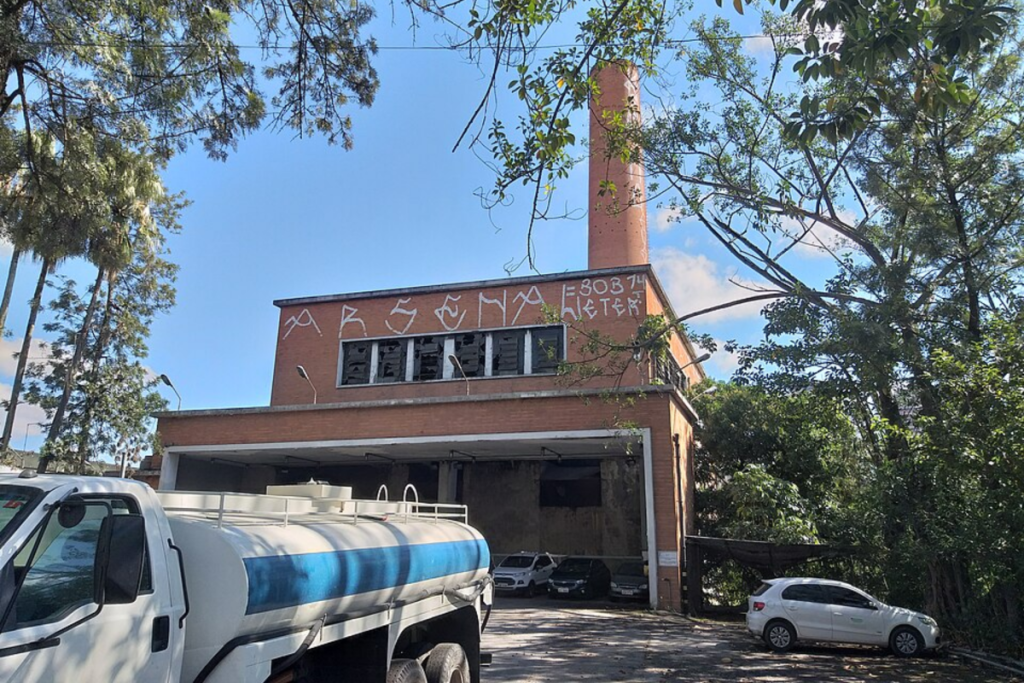

São Paulo is known for being home to interesting places that have been forgotten over time. Decommissioned since 2002, the municipal facility known as the Vergueiro Incinerator was used to burn waste from the Ipiranga region.
Opened in 1968, the incinerator is currently the subject of legal disputes. The building could be converted into a parking lot or transformed into a space for remembrance and environmental education.
During the years it operated, it primarily received waste related to medical waste, and, according to local residents, it also burned inappropriate waste that had been mistakenly sent to the facility.
According to the City Council, at its peak in the early 2000s, the facility burned as much as 50 metric tons of waste per day. In fact, the facility was the subject of complaints from neighbors, who protested against the smoke, the odors, and the heavy truck traffic in the area.
Environmental concerns also contributed to the incinerator’s closure in 2002. Agencies such as CETESB and City Hall even discussed the need to test the soil at the site to assess the need for decontamination before deciding what to do with the land.
However, as of 2021, neither the City nor CETESB had conducted any studies to assess potential contamination in the area.
The practice of waste incineration
Popularized in the 19th century, the industrial incineration of municipal waste began in the furnaces of Nottingham, England, in 1874. Called “destructors,” they were used to eliminate, through fire, the waste produced by large cities.
Inspired by the British, São Paulo adopted the practice in the early 20th century. Authorities chose the method as a sanitary solution to reduce the volume of waste and destroy potentially hazardous or contaminated materials.
In addition to the facility in Ipiranga, São Paulo also had the Araçá Incinerator—the city’s first waste incinerator—and the one in Pinheiros.
Although it is no longer as common, the practice currently remains a treatment option for certain types of industrial, hazardous, and healthcare waste.
However, current operations require certain safety conditions: appropriate facilities, combustion control, emissions treatment, and proper disposal of ash and other waste.
According to WHO standards, more modern incinerators are used today for medical waste, operating at temperatures between 850 °C and 1,100 °C.
Furthermore, they are equipped with systems that ensure gas purification and meet international standards regarding dioxin and furan emissions.
The Vergueiro Incinerator and the Future of the Property
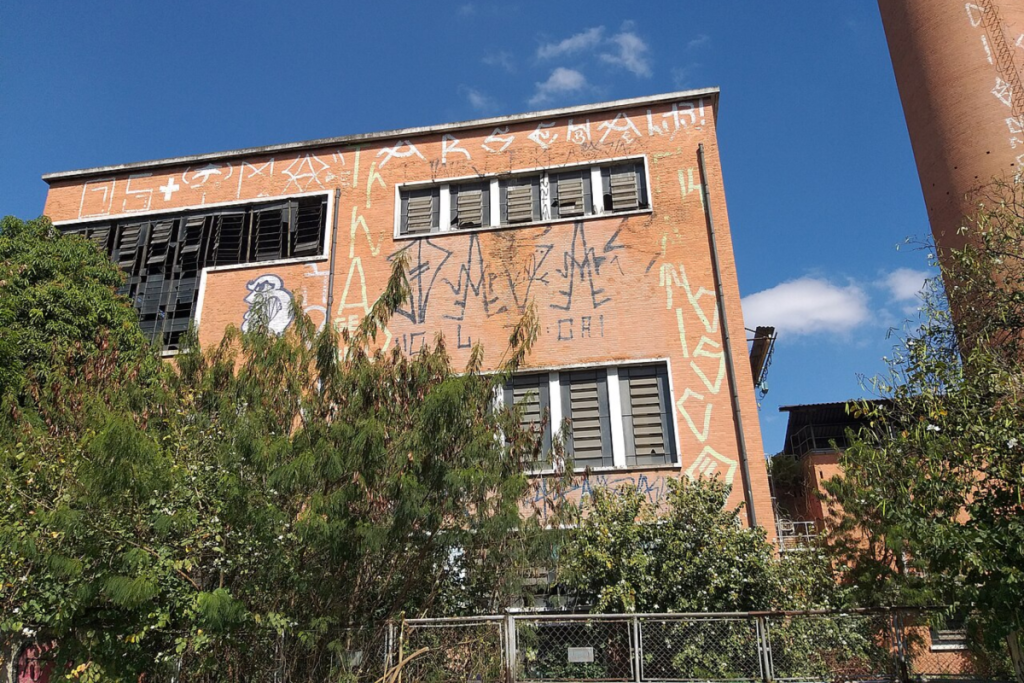
Designed in 1966 by the German firm Lucks u. Co., the Vergueiro Incinerator features industrial architecture, conceived in accordance with its function of burning waste.
According to academic studies, the building’s most distinctive feature is its 90-meter chimney.
Currently, the dispute over the former Vergueiro Incinerator boils down to two distinct proposals: in November 2025, a municipal plan was announced to demolish the property and build the new headquarters of the Ipiranga Subprefecture or even construct a parking lot on the site.
On the other hand, residents and the Usina Eco-Cultural movement submitted a proposal on the Participe+ portal suggesting the reuse of the area. The goal is to transform the space into a venue for cultural activities and, in keeping with its former functions, into a center for environmental education initiatives.
Proof that the site has sparked the interest of São Paulo’s residents in urban history was the inclusion of the incinerator in the August 2026 Heritage Tour.
Despite the plans and proposals for the site, its future use still depends on clarifying the environmental conditions of the area.