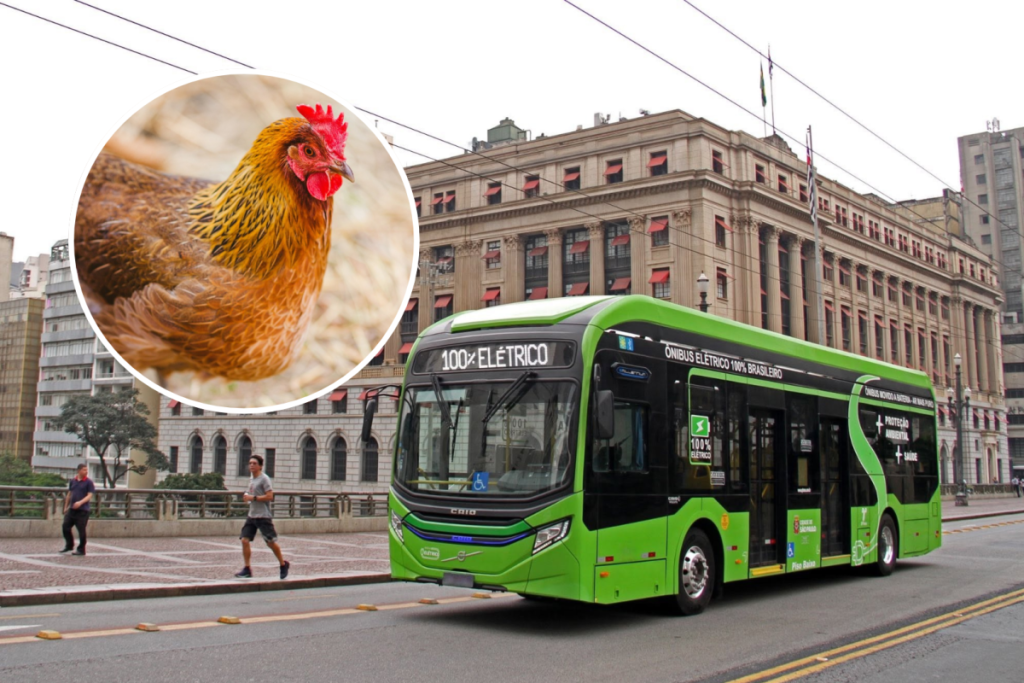

During rush hour, buses in São Paulo move slower than chickens. It sounds like a joke, but believe it: a study by SPTrans commissioned by Folha de S. Paulo shows that bus speeds drop to as low as 12.37 km/h at 5 p.m., at the start of the afternoon rush hour. A chicken, by comparison, reaches 14.5 km/h.
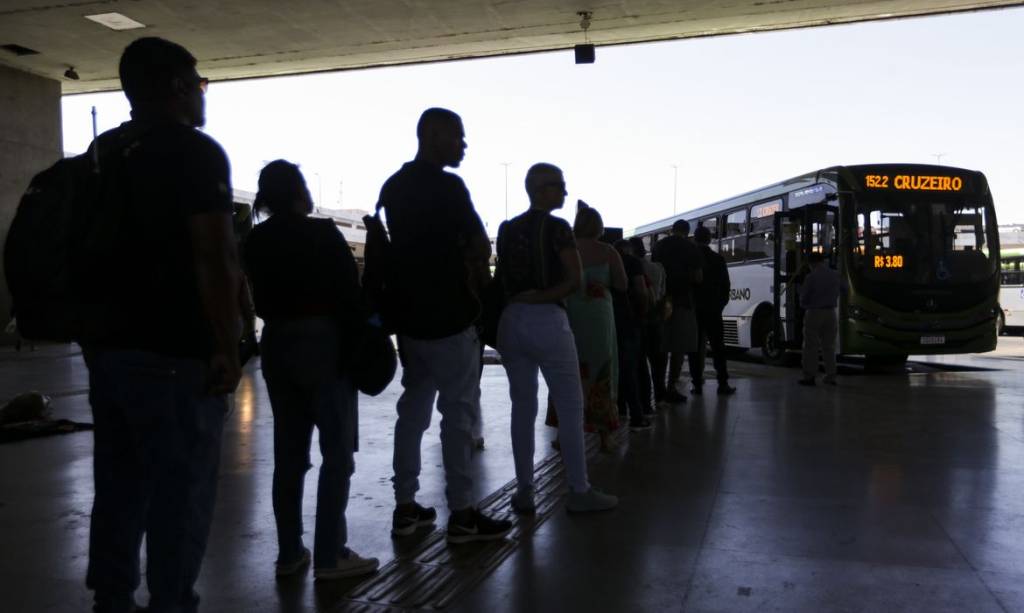
The data reveals a routine all too familiar to those who rely on public transportation. At that speed, a bus travels about 12 kilometers in an hour —not counting wait times at bus stops and transfers. This means that, for thousands of São Paulo residents, getting around the city is a test of endurance.
On the other hand, in the early morning, the speed approaches 29 km/h. In other words, the problem isn’t with the buses themselves, but rather the lack of priority given to public transportation in urban areas.
Does slow and steady win the race?
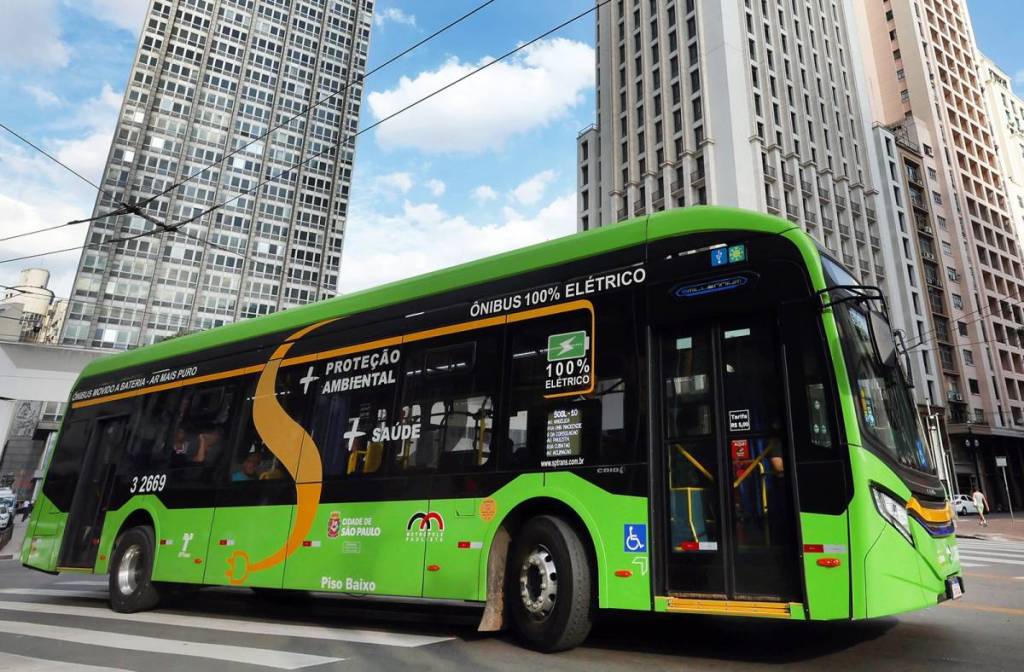
The study, which compared data from SPTrans, shows that the worst time for buses in São Paulo is at 5 p.m. on Wednesdays. At that time, the average speed of 12.37 km/h is slower than that of electric scooters ( 20 km/h, within the limits of bike paths and bike lanes), bees ( 25 km/h), and lizards ( 29 km/h).
The low speed increases travel time, which in turn reduces the fleet’s productivity: more buses and more drivers are needed to maintain service levels. In other words, slow traffic increases the system’s operating costs, strains the public budget, and disrupts the daily lives of those who rely exclusively on public transportation in São Paulo.
How can we make São Paulo’s buses go faster?
All is not lost: the SPTrans survey also indicates that public transit performance improves on dedicated lanes and corridors. After all, in these cases, the speed increases to as much as 20 km/h during peak hours.
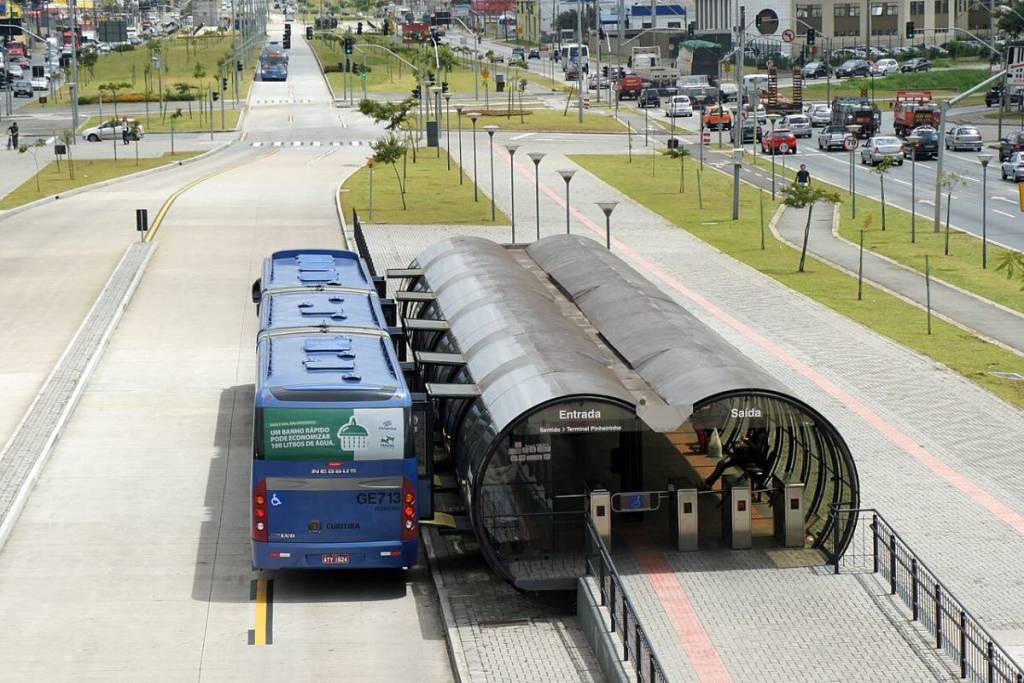
Therefore, one solution is to reclaim space for public transit. In Curitiba, for example, the BRT (Bus Rapid Transit) system allows people to get around more quickly, avoiding traffic jams during peak hours. On express routes with fewer stops, speeds can reach 24 km/h.
The Radial Leste BRT will be the first of its kind in São Paulo and is scheduled to open in 2026. The system will connect the Parque Dom Pedro II Terminal to the Penha Metro Station in the East Zone via an exclusive corridor that promises to reduce travel time by up to 50%. Will São Paulo’s buses soon win the race against the chickens?
Check out the full report on the Folha de S. Paulo website.