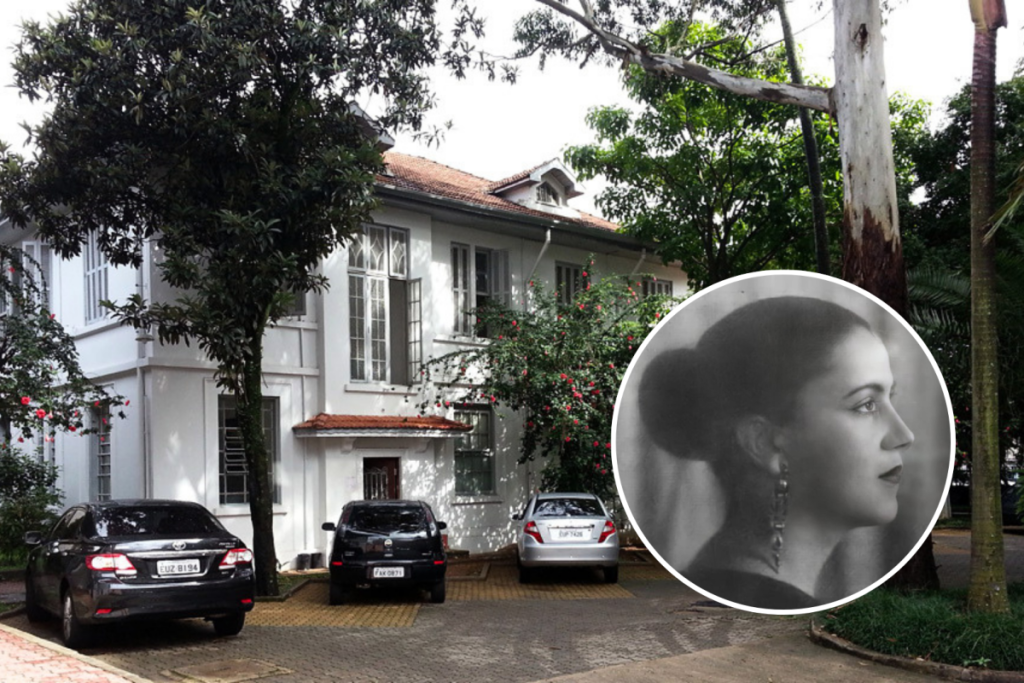

Right on Avenida Doutor Arnaldo, in the West Zone of the capital, an unassuming building preserves a part of Brazilian art history. We’re talking about Tarsila do Amaral’s mansion, at number 925, which belonged to the modernist painter during her marriage to the writer Oswald de Andrade.
There are rumors that Tarsila painted her most famous work, *Abaporu*, at this location. For this reason, the mansion is considered a cultural landmark of the city.
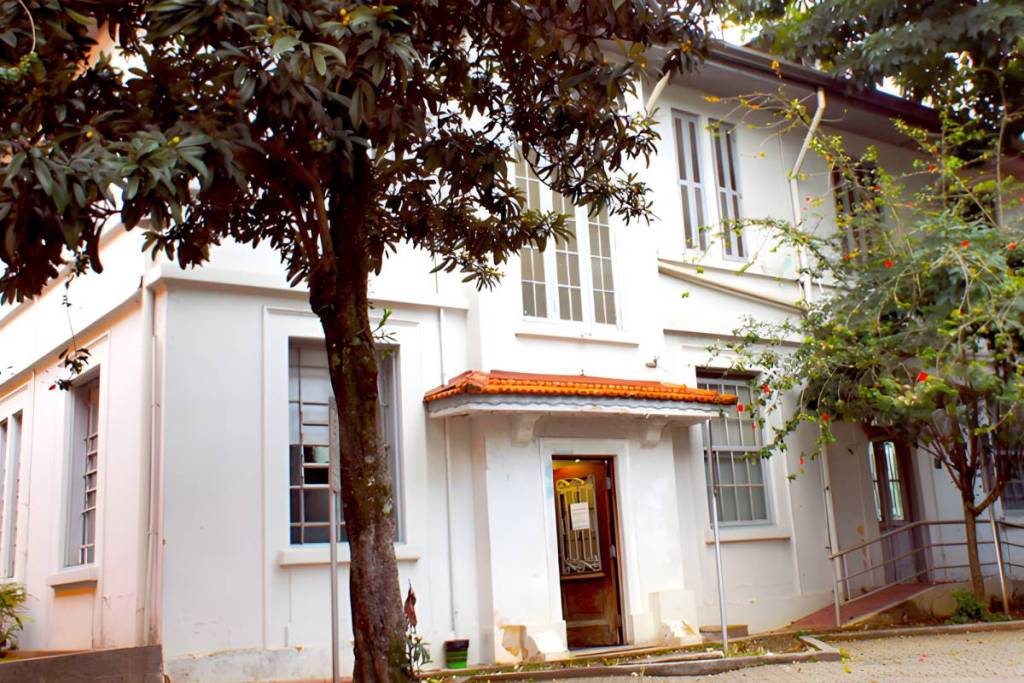
Learn about the history of “Tarsila do Amaral’s mansion”
Originally, the property was part of the Chácara Água Branca dos Pinheiros estate. Built in 1920, it belonged to the family of Oswald de Andrade and became the painter’s property in 1926, when the couple formalized their union.
At that time, Tarsila do Amaral was going through a particularly creative phase in her career. Alongside Oswald and artists such as Anita Malfatti, Mário de Andrade, and Menotti Del Picchia, she was part of the intellectual circle that shaped Modernism and the Anthropophagic Movement in Brazil.
So much so that, in 1928, the artist painted *Abaporu* as a birthday gift for her then-husband. Although there are no supporting records, it is possible that Tarsila worked on the canvas—which would later become an icon of Brazilian art— while living in the mansion.
From financial crisis to health center
The couple’s connection to the mansion came to an end during the economic crisis of 1929. With the collapse of the New York Stock Exchange and its impact on São Paulo’s coffee industry, the Andrade family’s financial situation deteriorated. Furthermore, historians claim that Oswald was a gambler and had lost the family’s fortune through gambling.
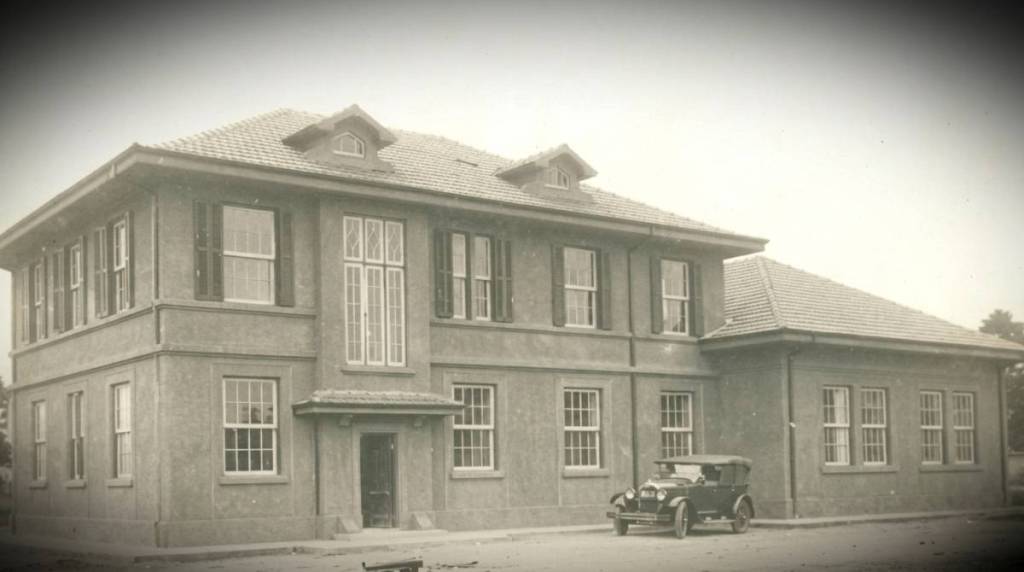
To pay off their debts, Tarsila and her husband transferred ownership of the mansion to the Government of São Paulo. From then on, the property became part of the School of Public Health and housed São Paulo’s first Department of Leprosy Prevention and, later, the Capital’s Polyclinic.
Currently, the address houses USP’s Geraldo de Paula Souza School Health Center (CSEGPS) . Thus, Tarsila do Amaral’s mansion has been transformed into a space for research, teaching, and community care. The building has been a state heritage site since 2005, preserving its original exterior, windows, flooring, and staircases.
Although Tarsila’s mansion does not function as a museum, there are other ways to celebrate the artist’s career and legacy in São Paulo. One option is to visit the immersive exhibition “Tarsila’s Brazil, ” on view through October 31 at the Nubank Art Lab in the Conjunto Nacional.
You’ll be able to experience more than 70 of the artist’s works in a whole new way—with 360-degree projections, sounds, scents, and interactive features!