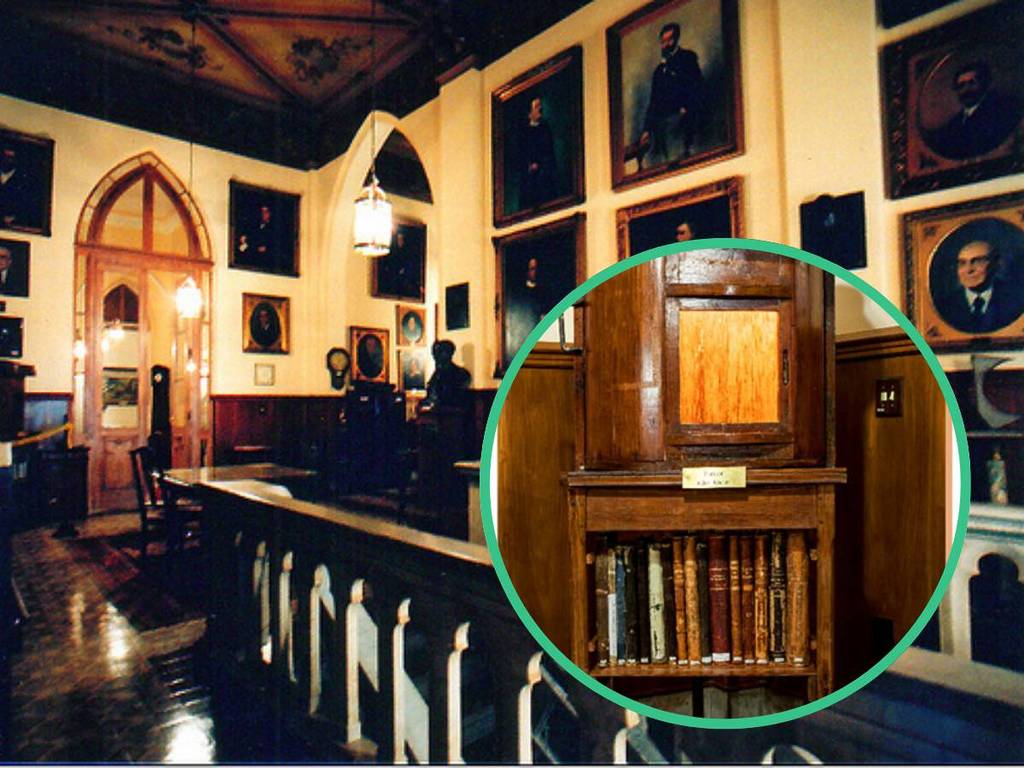
Do you know the Santa Casa de São Paulo Museum? Although little known, this space preserves the memory of the construction and evolution of the institution that bears its name and also records important chapters in the city’s history. In other words, it’s a great place for those who want to explore São Paulo’s past!
If you want to get off the beaten track and visit a lesser-known but equally fascinating place, it’s worth including the Santa Casa de São Paulo Museum in your itinerary. After all, the city has over 100 museums, and this one is a real hidden gem.
What can you find at the Santa Casa de São Paulo Museum?
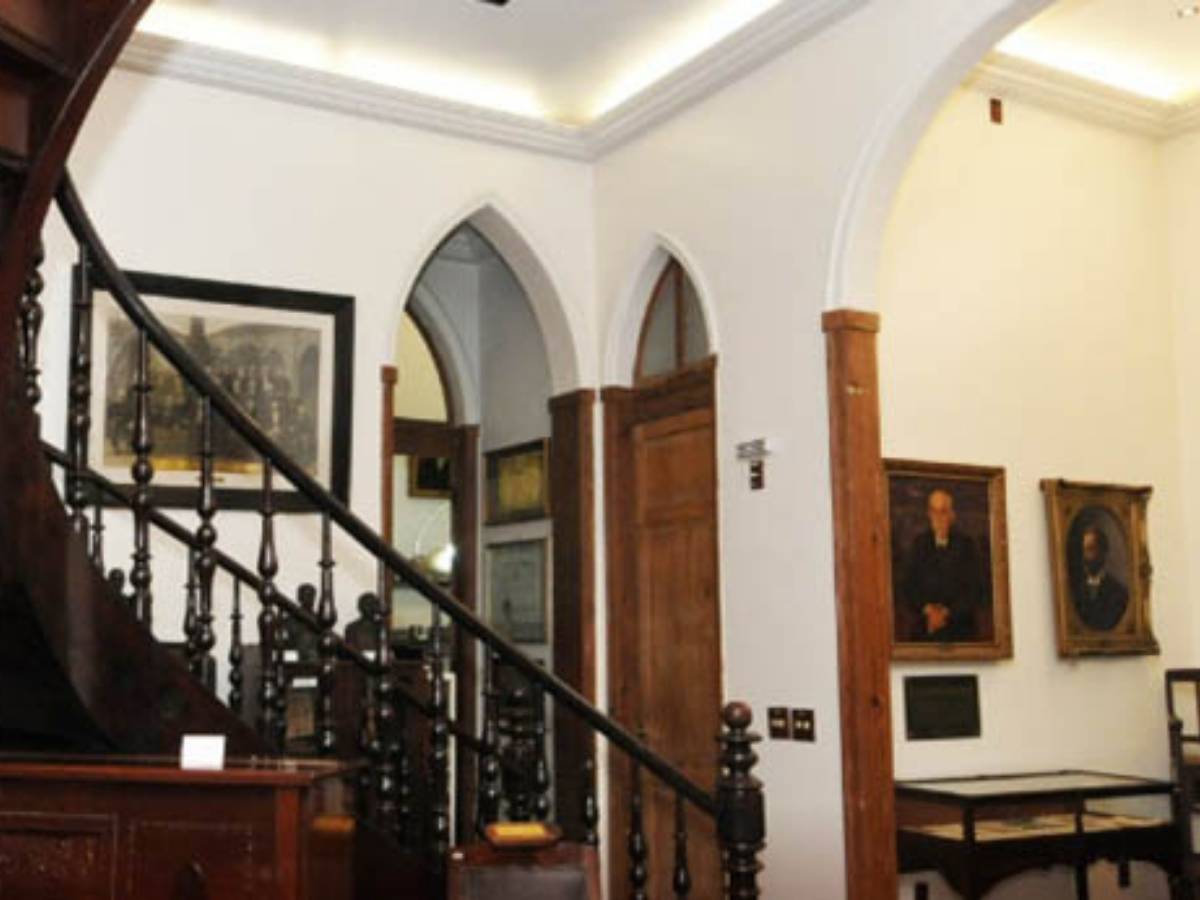
The museum houses a diverse collection, including religious and ceremonial items, historical documents, photographs, clothing, paintings, sculptures, furniture and a collection of antique medical and pharmaceutical devices. Among the highlights are 189 portraits and works by great names such as Tarsila do Amaral, Almeida Júnior, Benedito Calixto, as well as sculptures by Luigi Brizzolara Fraccaroli, Moulin and Emendabili.
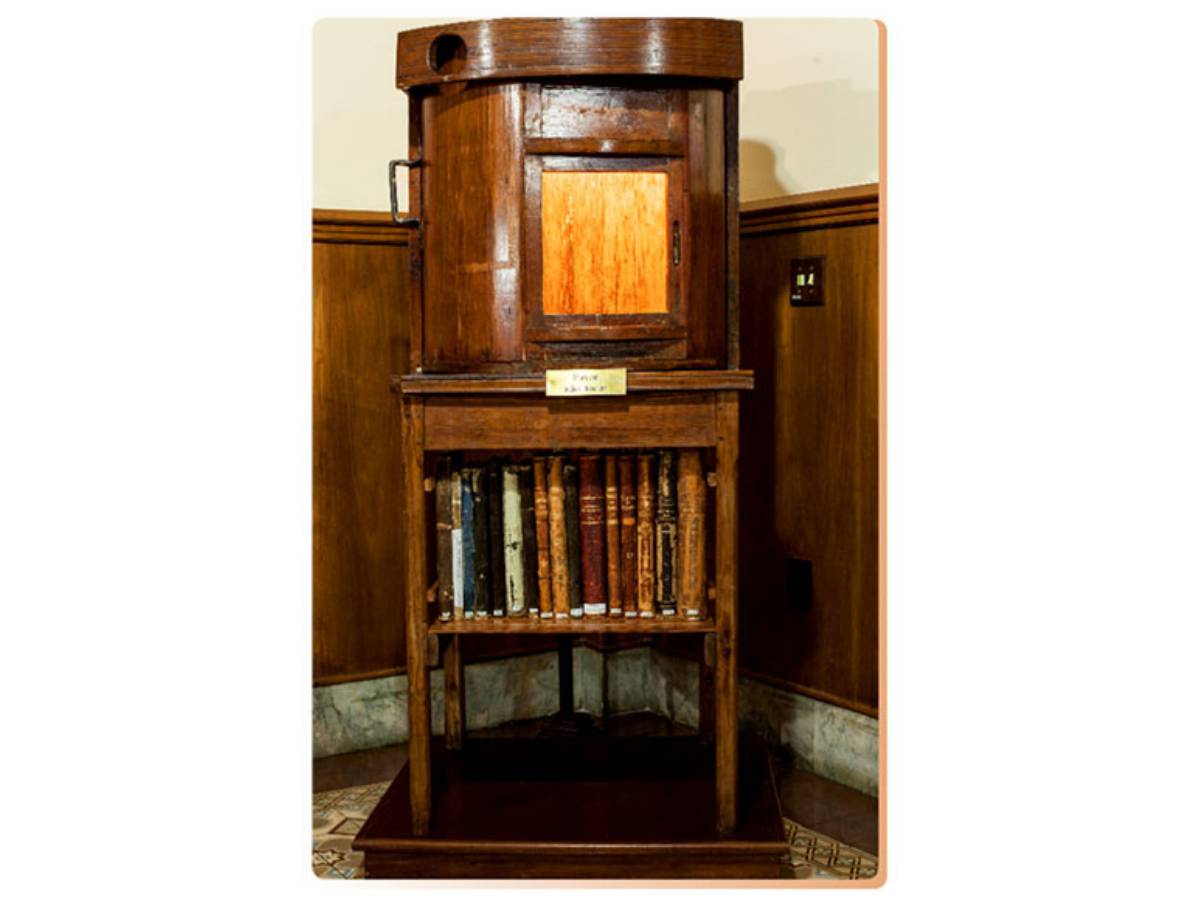
One of the most striking objects is the Roda dos Expostos (Wheel of the Exposed), a rotating wooden cylinder that allowed babies to be donated anonymously to charitable institutions, often by families without the resources to raise them. Historical records show that, from its implementation until 1950 (when advances in public policy ended the practice), 4,696 cases were attended.
Don’t miss out on this tourist attraction!
The Santa Casa de São Paulo Museum is open from Monday to Friday, from 9am to 4pm. On certain special dates it also opens on Saturdays, so it’s worth keeping an eye on the schedule. If you’re planning a group visit, it’s worth booking by emailing museu@santacasasp.org.br or calling (11) 2176-7025.
Admission is free and the address is Rua Doutor Cesário Mota Júnior, 112 – Vila Buarque, close to Santa Cecília Station (Line 3-Vermelha of the Metro). It’s a great opportunity to use public transportation and enjoy the tour without any worries. For more information on visiting the museum, click here.