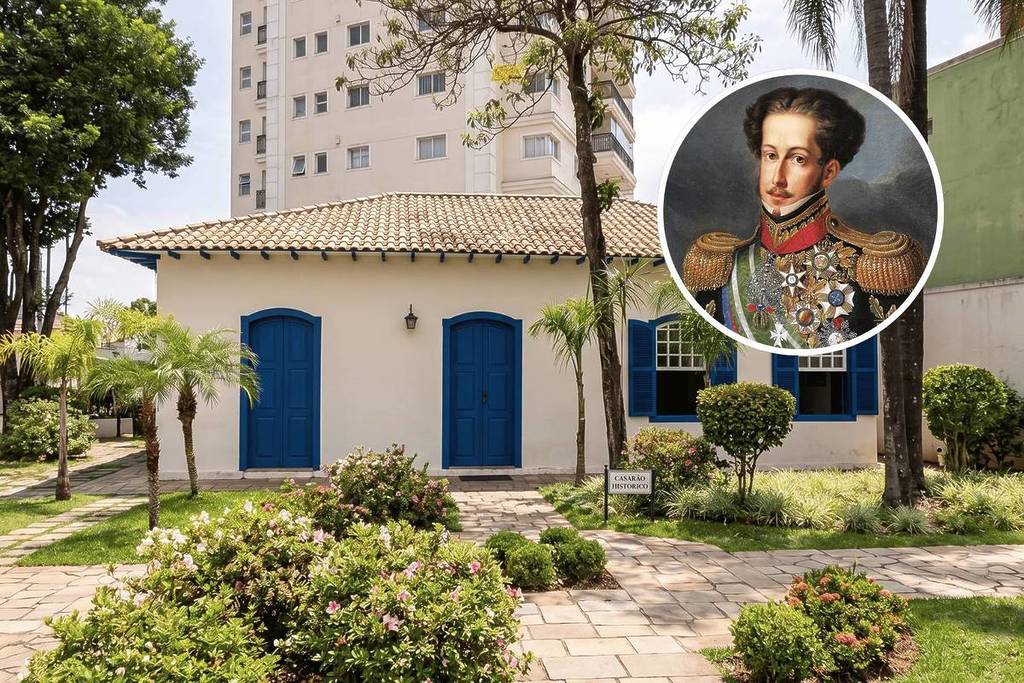

Many are unfamiliar with the Emperor’s House, a historic landmark in São Paulo’s North Zone. Located in Vila Maria, the century-old property is the only remnant of Sítio da Bela Vista, a former rural estate whose subdivision gave rise to the neighborhood.
The place is shrouded in legends and mysteries. Some say, for example, that it once served as a refuge for Emperor Dom Pedro I during his travels through São Paulo. Other sources say that the mansion was home to enslaved people during the days of rural estates. Learn its history:
So, what is the story behind the Emperor’s House?
Sítio Bela Vista was a large rural estate on the banks of the Tietê River. The farm’s main house, its most opulent structure, was eventually demolished as São Paulo expanded. In fact, only a small house in the neocolonial style survived the urban sprawl, preserving the region’s rural heritage.
The name “Casa do Imperador” comes from the legend that Dom Pedro I stayed there. However, the building dates back to the early 20th century, years after the Proclamation of the Republic. Therefore, it is historically impossible that Brazil’s first emperor (or even his son, Pedro II) ever visited the place.
According to the Department of Historical Heritage (DPH), the property actually served as a shelter for farm workers. Traces of instruments of torture, such as shackles and , show that the former residents lived there under the slavery system.
Residents of Vila Maria report that the house became the property of enslaved people after the abolition of slavery, being passed down from parents to children until the 2000s. Although there is no documentary evidence, former visitors claim to have seen images of Princess Isabel kept inside the mansion.
Century-old house now serves as a recreational area
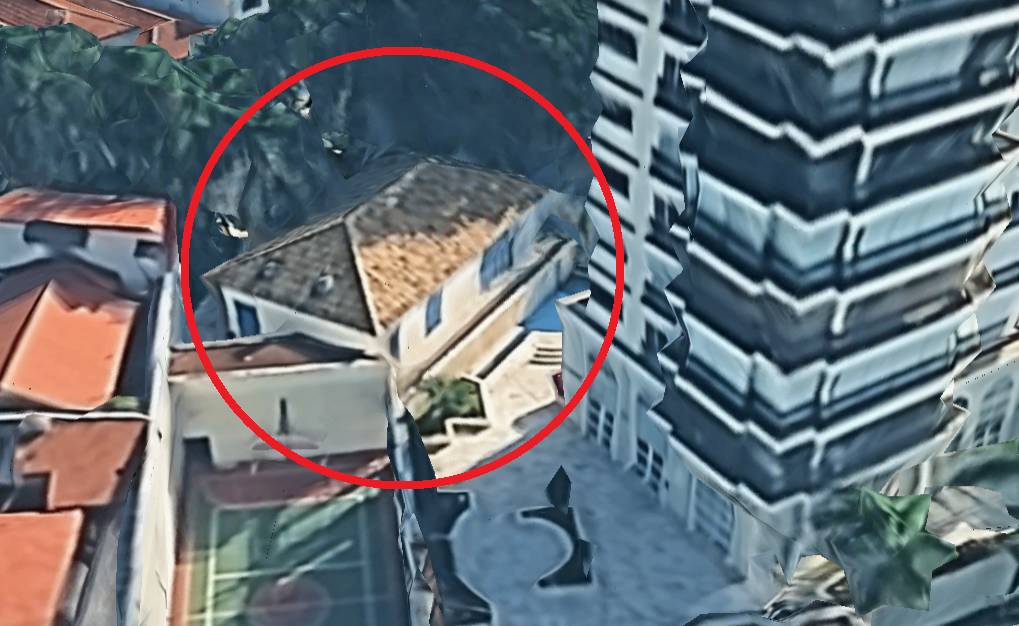
After a century of existence, the Emperor’s House was incorporated into a residential development. In 2008, Ospe Construtora purchased the land, erected a 20-story building, and renovated the mansion to transform it into a gaming hall.
At the request of the public agencies that listed the property, the restoration of the exterior respected the original architecture. The interior, however, was not subject to restrictions. In an interview with Estadão (2009), the then-building manager stated that the only request from th t was to keep a “concrete ball” (a reference to the shackles that bound enslaved people) inside the space. At the time, the newspaper report found that the object was located “under one of the rustic benches that decorate the hall.”
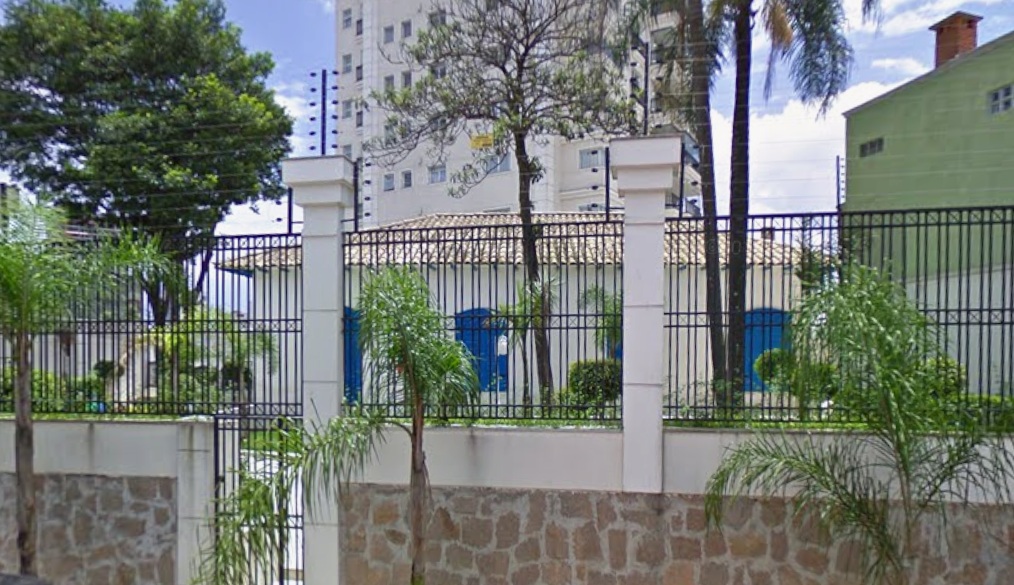
Since it is part of private property, the Emperor’s House is not open to the public. Therefore, the only way to see it is from the outside, at Rua Nova Prata, 48, behind the gates of the Brasília Imperador Residential Building.