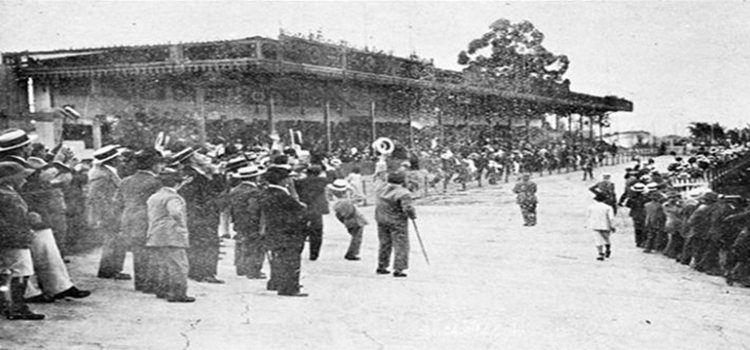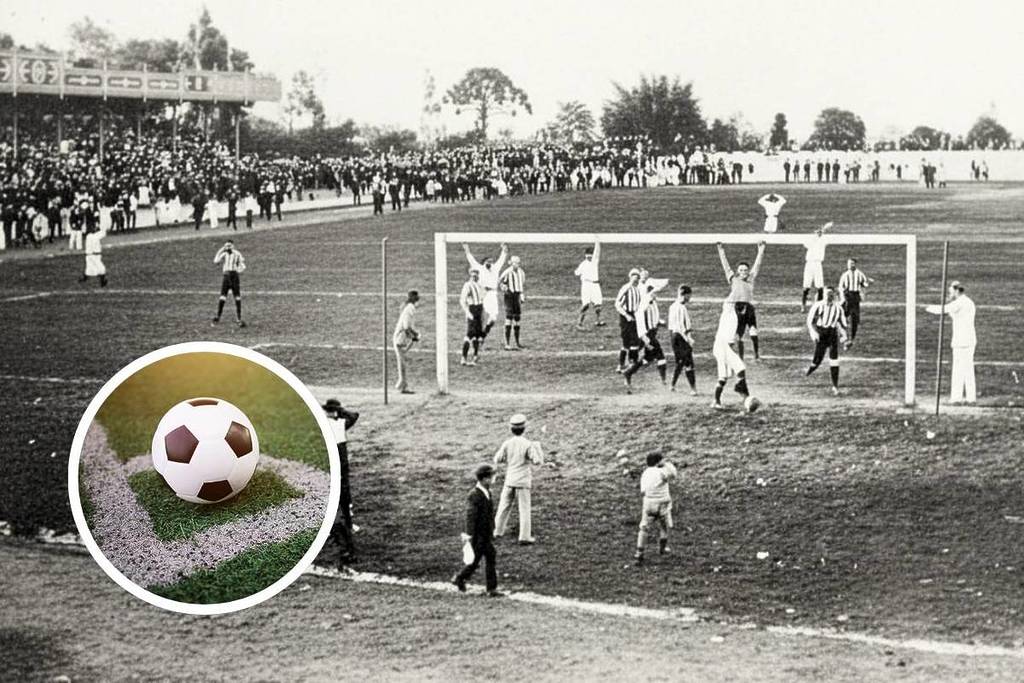
There is no greater Brazilian passion than for soccer. The sport is so present in Brazilian culture that it’s even curious to think that there was a time when it wasn’t like this! Although it’s routine today, soccer only became more widespread in the country in 1901, with the appearance of Brazil’s first stadium: the emblematic Velódromo de São Paulo.
If the name doesn’t sound very “footbally” to you, it’s because the venue was created to please fans of cycling, a favorite sport of the São Paulo elite at the end of the 19th century. However, it was in this structure that soccer came to life and grew and shaped Brazil’s cultural and sporting identity.
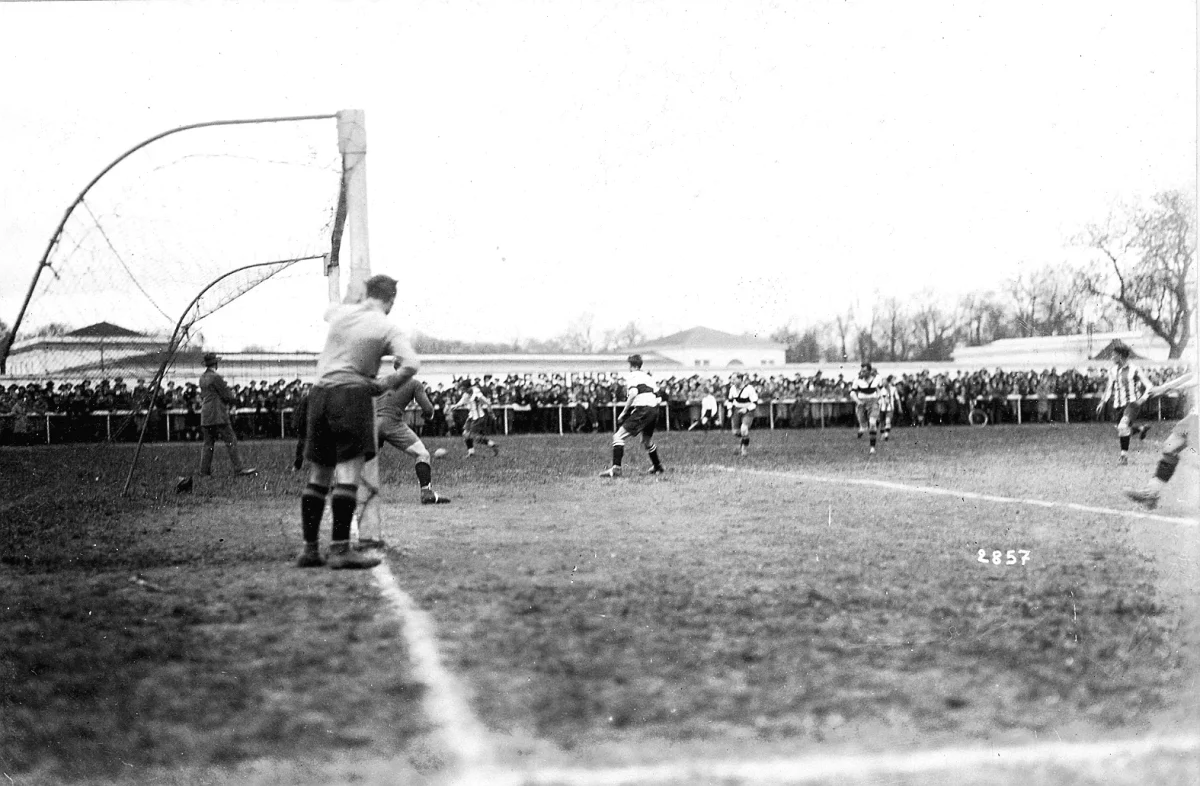
Brazil’s first soccer stadium was in São Paulo!
The Velódromo Paulista was inaugurated in 1896 with the aim of hosting high-level cycling competitions. The stadium, which soon won over the São Paulo community, had a capacity of 1,000 people in the stands and another 1,000 standing.
With the arrival of soccer in Brazil, however, the São Paulo Velodrome was adapted to house the new sport. The Club Athlético Paulistano remodeled the venue, which reopened in 1901 and hosted the main matches of the Paulista Football Championship. Thus, the São Paulo Velodrome took on a new look and became Brazil’s first soccer stadium, even though it didn’t originally house the sport.
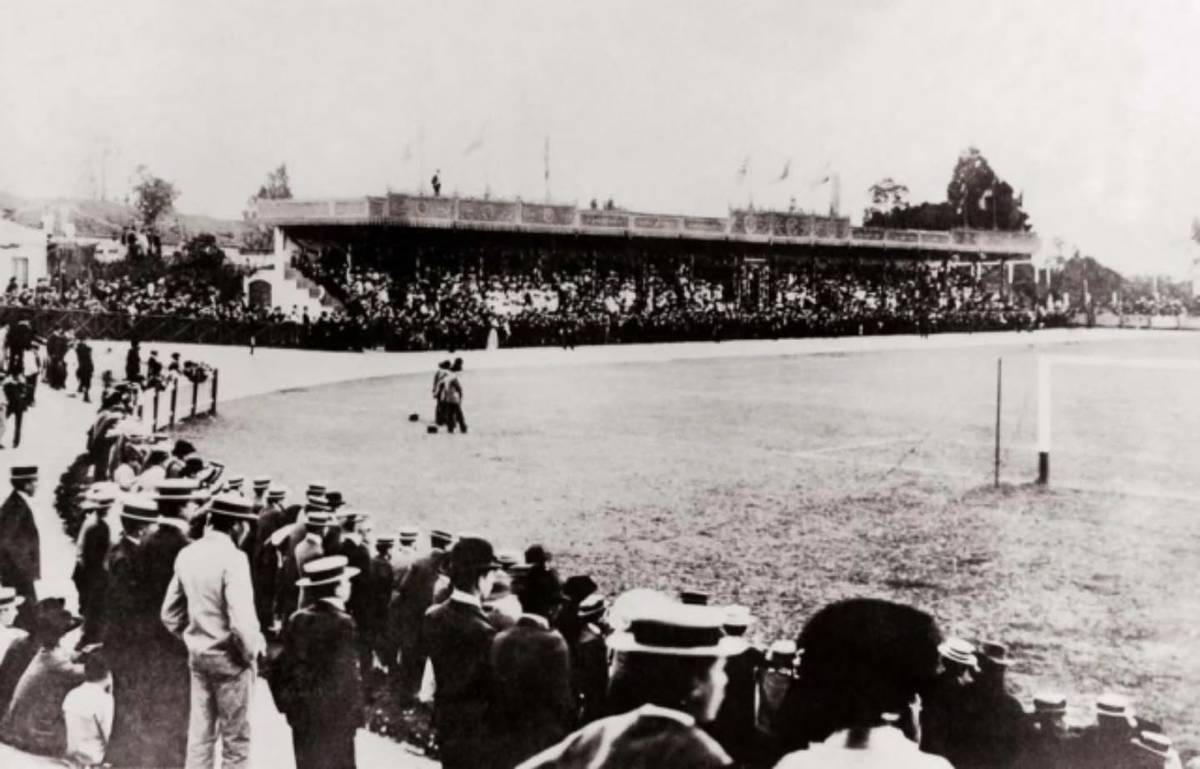
São Paulo Velodrome: today only memories remain
O São Paulo’s urban growth was crucial to the demise of the Paulista Velodrome. The stadium was demolished in 1916 to make way for the streets near Roosevelt Square in the city center. And so, the space that used to teem with intense matches fell into oblivion for much of the population.
But we can’t deny that the legacy of the São Paulo Velodrome lives on – after all, it was the setting for the first moments of Brazilian soccer. What’s more, its history helps us understand how the sport gained such charisma in Brazilian culture, becoming a symbol of our identity.