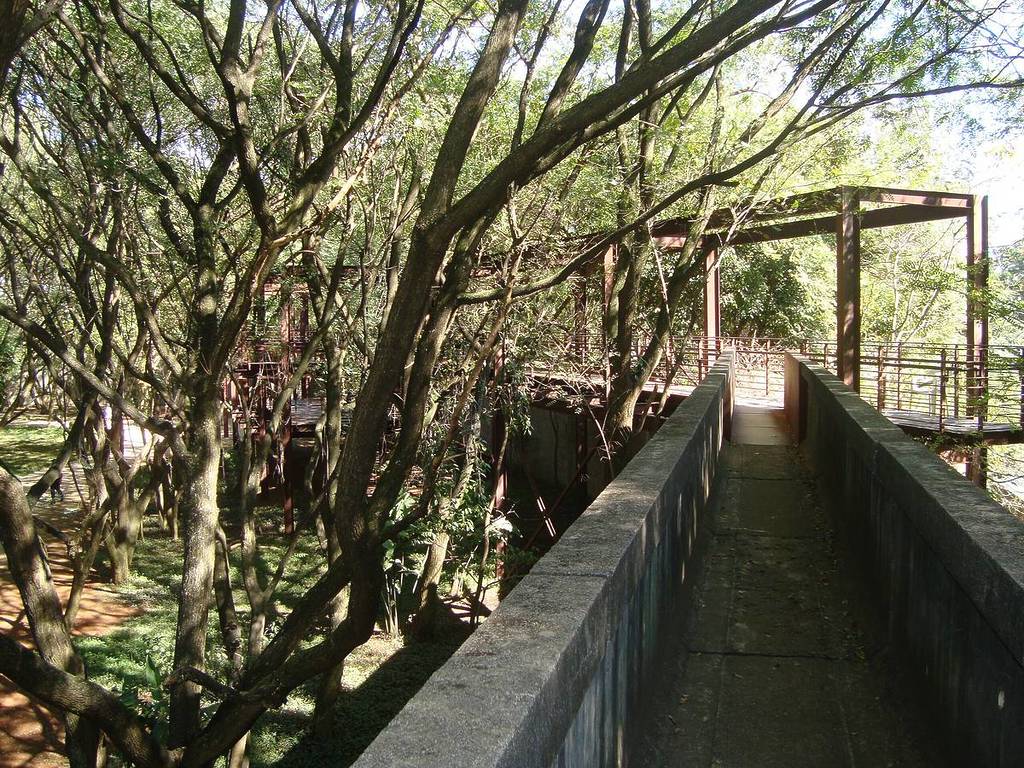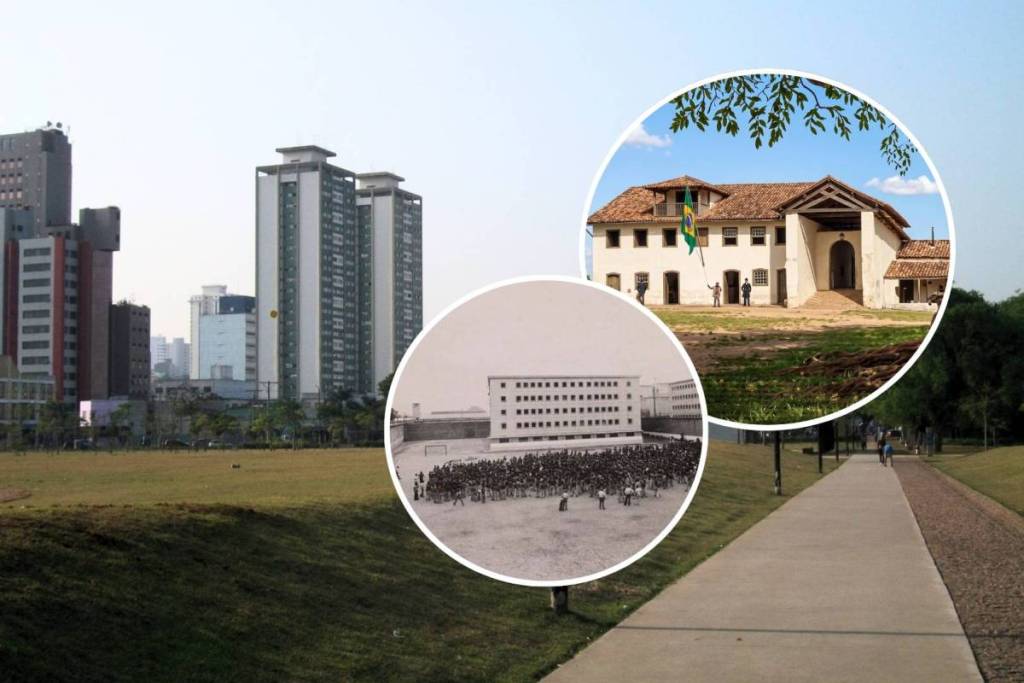

Long before Parque da Juventude, even before the former Carandiru Detention Center, São Paulo’s North Zone was home to one of the region’s largest food-producing areas. Founded in the 17th century, the former Sant’Ana Farm was the main food producer for the town of São Paulo, playing a fundamental role in the city’s development.
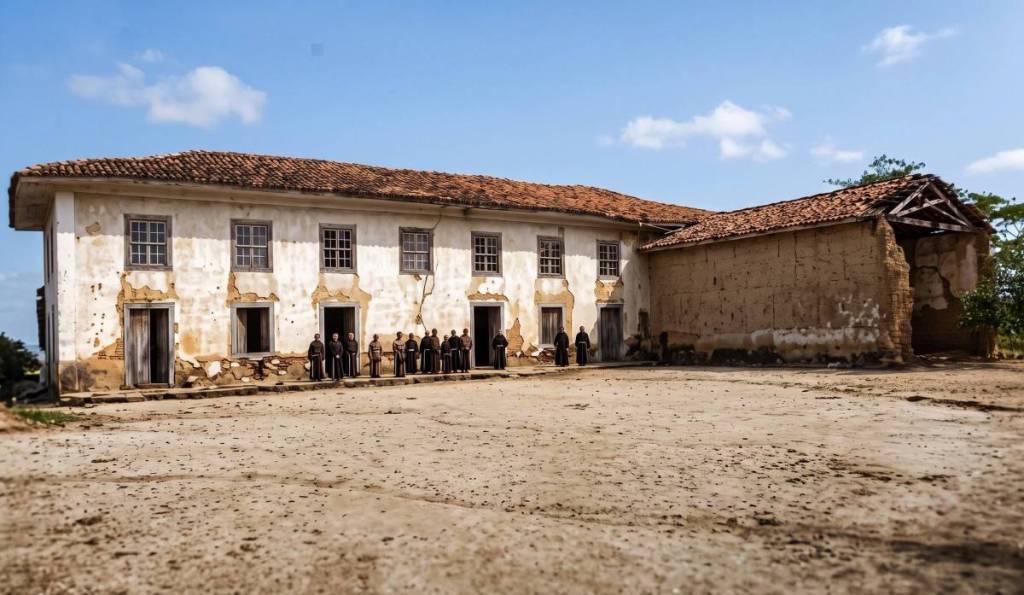
The earliest records of the site date back to 1673, when the heirs of Inês Monteiro (known as “Matrona”) donated the land to the College of the Society of Jesus. From then on, the Jesuits established the farm and began agricultural production, which even supplied the bandeirantes at the start of their expeditions.
The Sant’Ana Farm and Its Importance in Brazilian Political History
In 1768, an order issued by the then Secretary of the Portuguese Empire, the Marquis of Pombal, expelled the Jesuits from Brazil. As a result, the Sant’Ana Farm passed into royal ownership and came under the administration of the Captaincy of São Paulo.
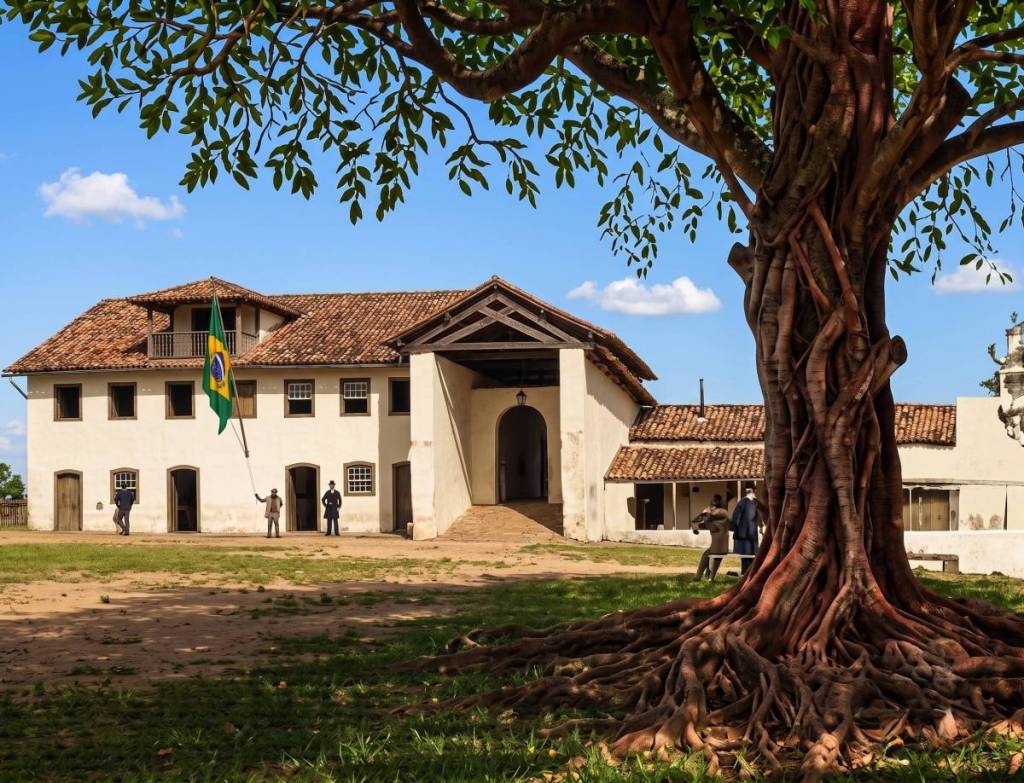
The grand house built in 1734, which served as the farm’s headquarters, became the Solar dos Andradas and hosted important political figures of the time. Its most illustrious resident was José Bonifácio de Andrada e Silva, Minister of State to Dom Pedro I, who wrote the famous “Dia do Fico” letter there.
The Solar dos Andradas also housed a school for underprivileged children and a military battalion before being demolished in 1916. At that time, the buildings of the Sant’Ana Farm were demolished and its lands subdivided into plots, giving rise to neighborhoods such as Santana.
From farmland to a prison complex: the turning point in the 20th century
Historically, the North Zone was viewed as a distant and isolated region. For this reason, authorities considered the tracts of land belonging to the former farm to be the ideal location for building a new prison complex. Thus arose the São Paulo Detention Center, known as Carandiru, which became the largest prison in Latin America.
After the Carandiru Massacre in 1992, the state government decommissioned and demolished much of the complex. Part of the former Sant’Ana Farm gave way to Parque da Juventude, a public recreational space that combines green areas, the São Paulo Library, and the ruins of the old prison.
Although the memory of the old farm is little known to São Paulo residents, its legacy remains alive at the site. Furthermore, the site’s history illustrates how urban areas have undergone constant transformations throughout São Paulo’s history.