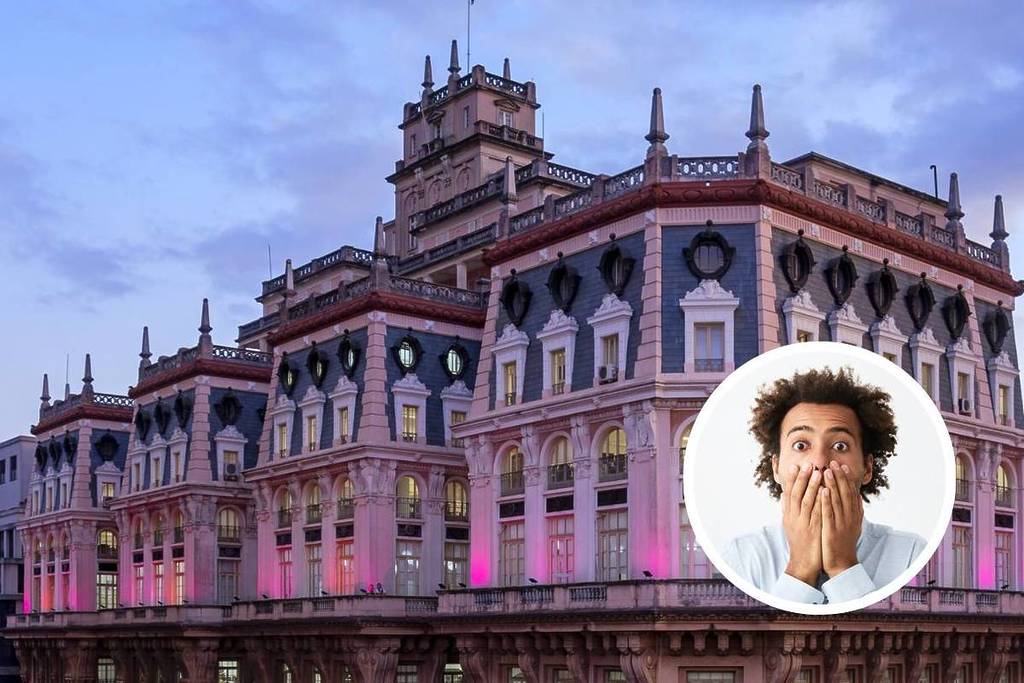
The Martinelli Building was one of São Paulo’s first skyscrapers and has become an icon of the city. Built between 1924 and 1934, it marked the beginning of a new era in São Paulo architecture and has become a must-see tourist attraction for anyone wishing to immerse themselves in the city’s history.
Although taller, more modern buildings steal the show these days, the Martinelli continues to impress with its history. Designed by Italian businessman Giuseppe Martinelli, the building holds decades of memories and curious events – including unsolved crimes.

The birth of a giant
Martinelli was inaugurated in 1929, when the building had only 12 floors. However, construction ended years later. Shortly before, Rio de Janeiro had inaugurated the A Noite Building, which, with 21 floors, held the title of the largest in Brazil. Giuseppe Martinelli didn’t want to be left behind and ordered several extensions to the project after the inauguration. Thus, in 1934, the building reached 30 floors and became the “giant” we know today.
This grandiosity even frightened many São Paulo residents at the time. At a time when buildings had a maximum of four floors, many feared that the building would collapse. To prove that his creation was safe, Giuseppe Martinelli built a palace on top of the building, where he lived with his family.
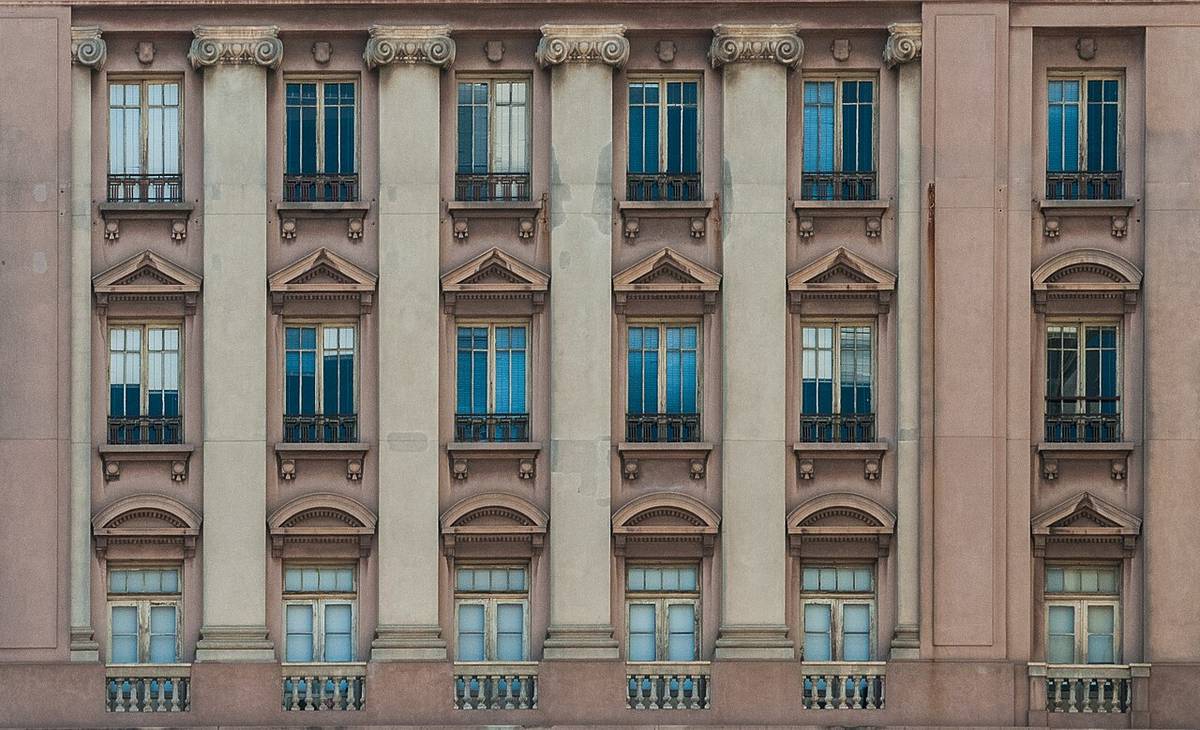
During the ten years of construction, the work required around 600 workers and 90 Italian and Spanish craftsmen, who were responsible for the details of the façade. In addition to employing foreigners, Giuseppe Martinelli imported fine materials for his masterpiece, such as Italian marble and Swedish and Norwegian cement, which gave the building an extra touch of sophistication.
Martinelli Building: from luxury to abandonment, and luxury again
Initially, the Martinelli Building was a meeting place for São Paulo’s elite It hosted balls, dinners and other exquisite celebrations. Another curious use was during the Constitutionalist Revolution of 1932, when the building housed weapons and anti-aircraft batteries used in the defense of São Paulo.
In 1943, in the midst of the Second World War, the Brazilian government confiscated the assets of Italian citizens in Brazil. The property then left the hands of Giuseppe Martinelli and was auctioned off by the Federal Government. From then on, the building fell into decay and became a slum, with thousands of people living in precarious conditions. It was at this time that heinous crimes – such as murder and child abuse – took place there, and the criminals were never found.
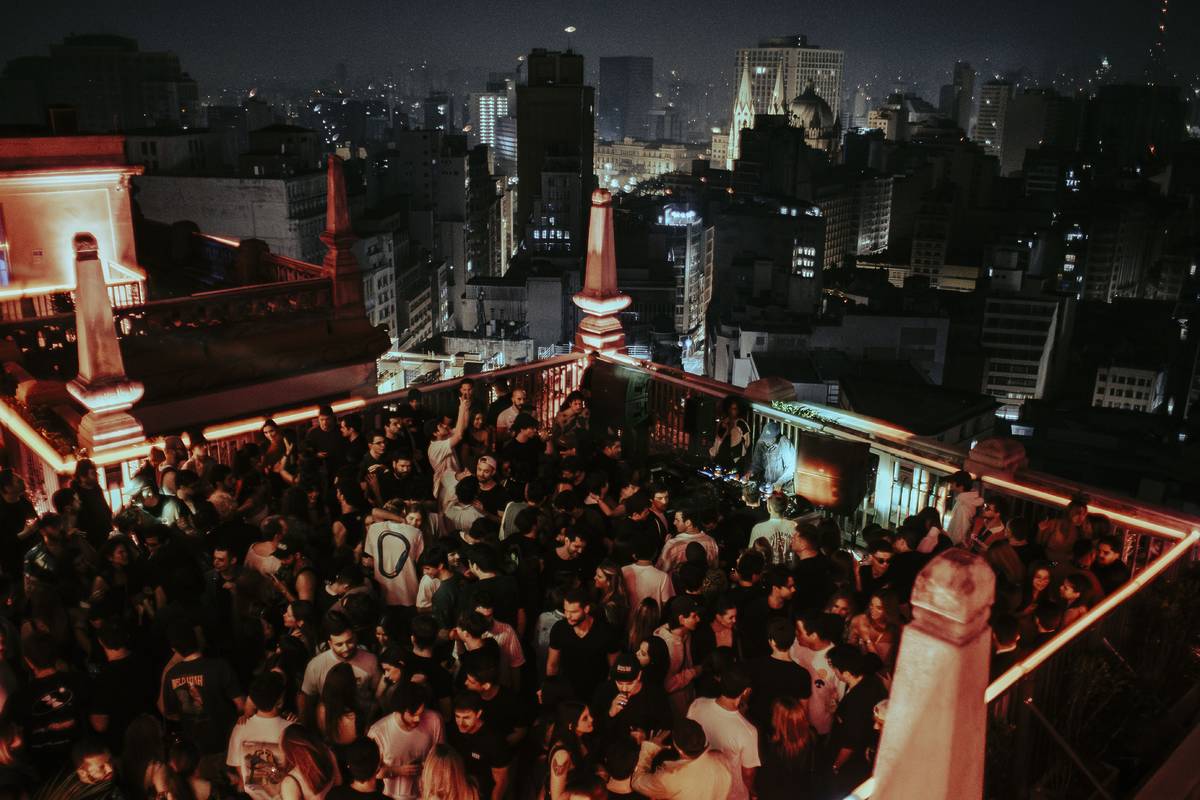
In 1975, then mayor Olavo Setúbal ordered the expropriation and revitalization of the site. The renovations restored the building to its former glory, and it reopened in 1979. Since then, the Martinelli has housed public bodies and cultural events, such as guided tours and parties on the terrace that reaffirm its role in the history and life of São Paulo.