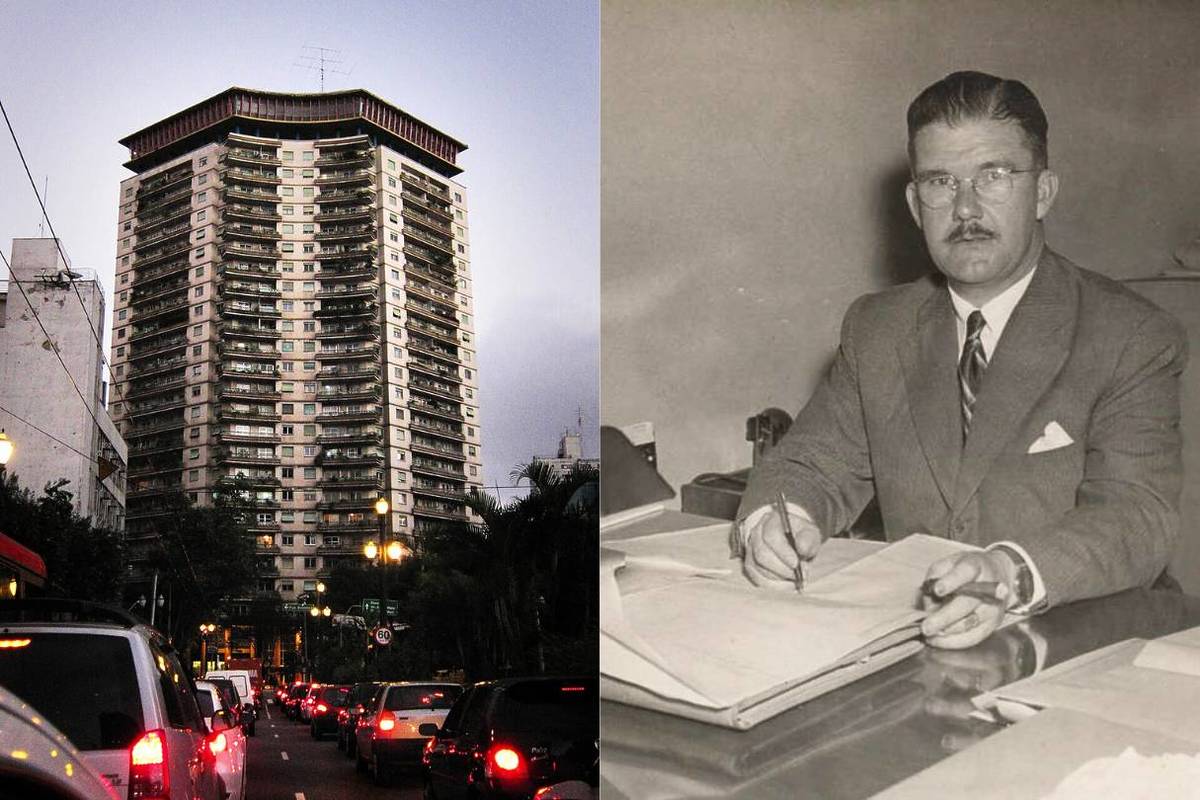
Some buildings in São Paulo are so unique that they have become a trademark of the city. Many of them are still standing thanks to Artacho Jurado, considered the capital’s most famous “non-architect”.
João Artacho Jurado was born into a family of Spanish immigrants whose father was an anarchist, something that has always shaped his career. For example, the young Artacho dropped out of school when he was still in primary school so that he wouldn’t have to take the oath to the national flag.
Despite not having an academic degree, he went on to become one of São Paulo’s greatest businessmen of the 20th century – as well as a self-taught architect, forever shaping São Paulo’s skyline.
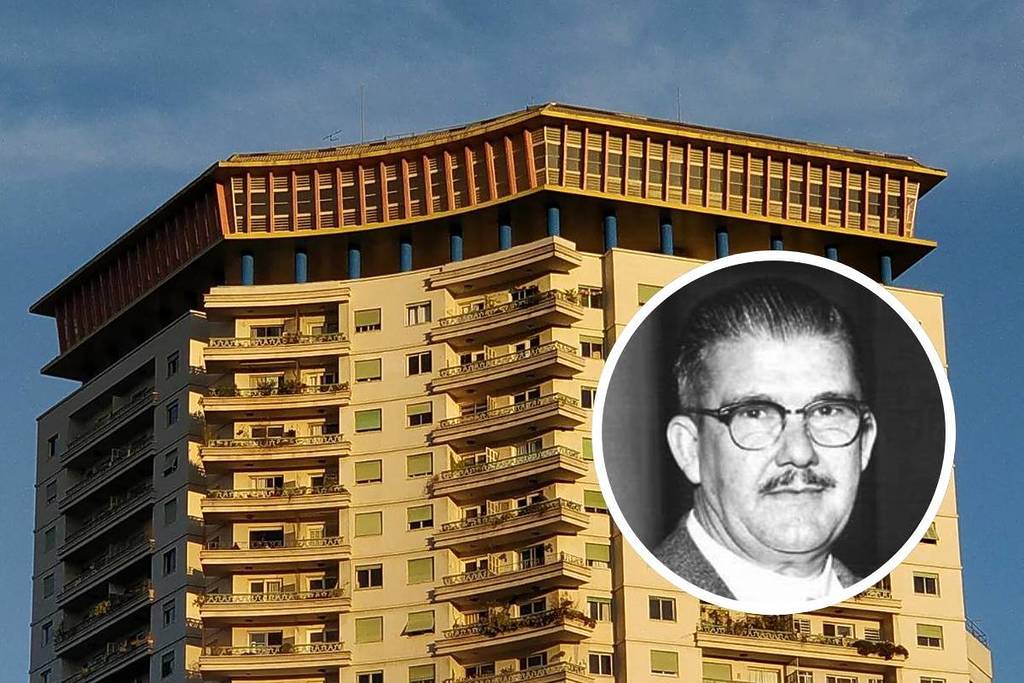
Businessman caused controversy among architects of the time
Born in 1907, Artacho Jurado began his career working in advertising, designing neon signs. At the age of 37, he founded a construction company with his brother and started designing real estate, even though he didn’t have a degree in engineering or architecture. For this reason, he is remembered as an artist and “non-architect”.
The lack of formal training prevented Jurado from signing his own projects. But this never stopped him from creating: he designed every detail of the buildings, from the entrance door to the decorations on the façade. His works were inspired by Hollywood glamour, full of color and bold decoration.
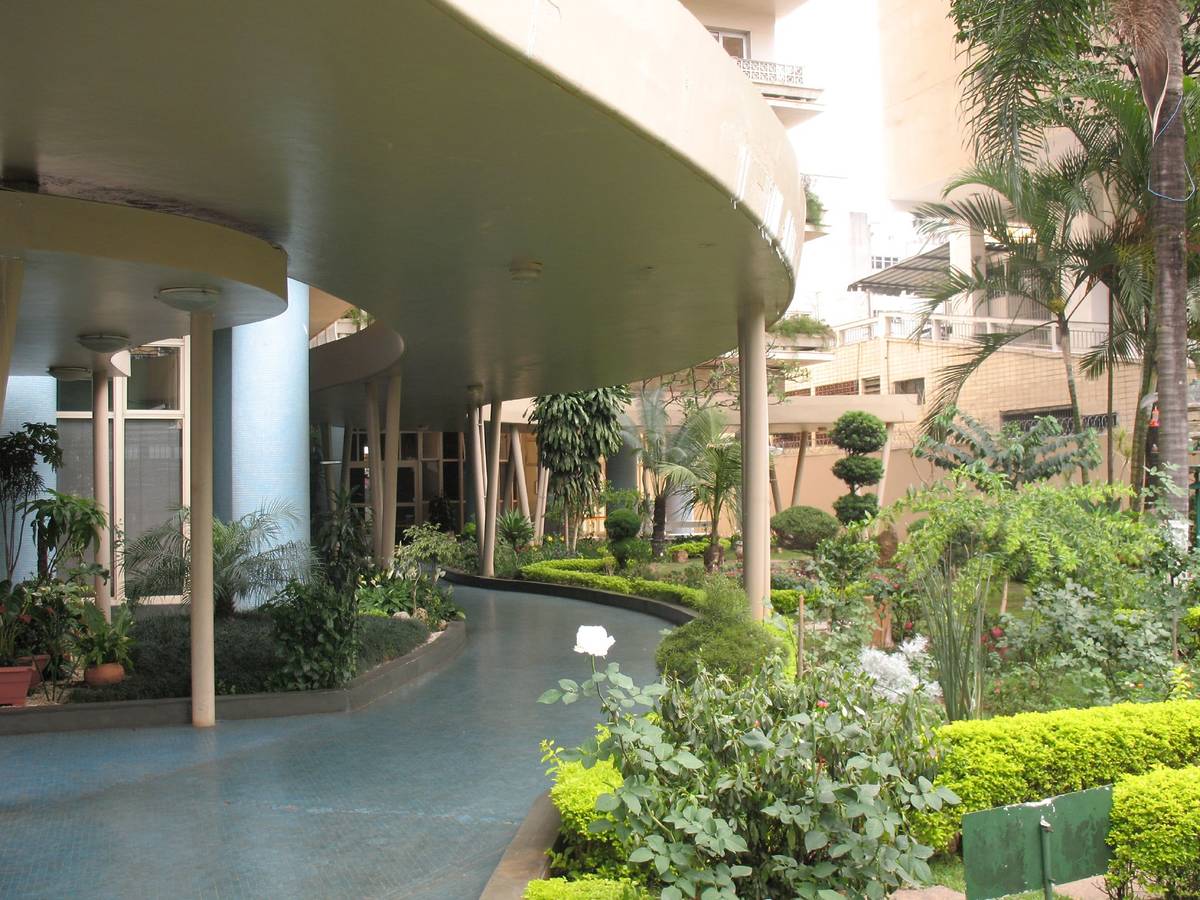
In addition, the artist created the concept of “Good Living Style”, including party rooms, swimming pools and large gardens in his projects. As a result, he pioneered the construction of communal leisure areas in condominiums, a trend that has spread throughout Brazil.
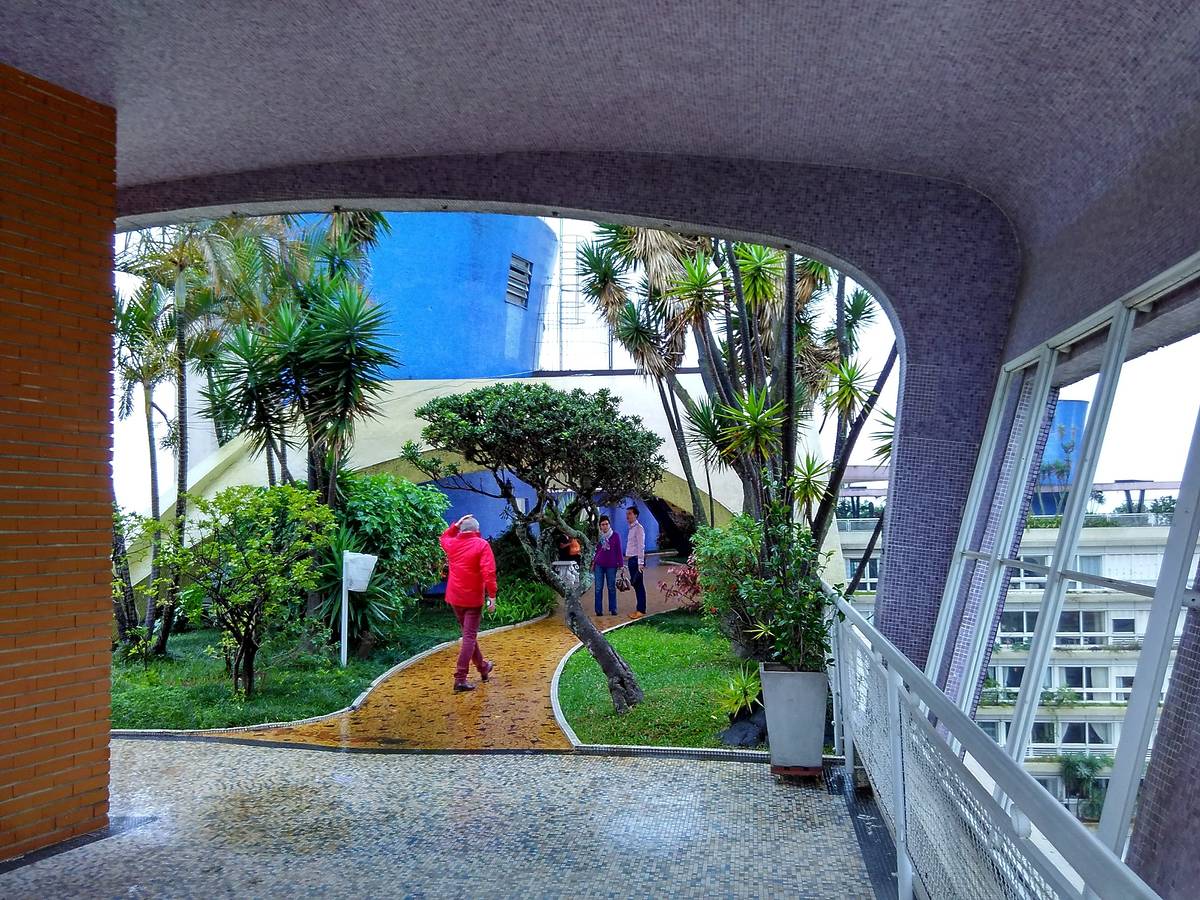
Are you familiar with Artacho Jurado’s buildings?
The originality of his designs and the lack of formal studies led to several disputes between Jurado and professionals in the field, who considered his style “in bad taste”. Over time, however, his buildings gained due recognition and are now considered to be São Paulo’s heritage.
One of his masterpieces is the Bretagne Building, from 1950, one of the first to incorporate leisure areas. Located in Higienópolis, the building offers a swimming pool, party room and playground, attracting great interest since its inauguration.
Other iconic buildings, such as the Viaduto, Conderela, Louvre and Planalto, also preserve the builder’s arabesques and colorful tiles. This shows that, despite the criticism, Artacho Jurado established himself as the most daring and innovative “non-architect” in the São Paulo capital, leaving a mark that remains to this day.